If you’re asking what do I need to get a car loan, the short answer is: proof of identity, proof of income, proof of residence, and a credit profile lenders can review. In many cases, you will also need details about the car you want to buy and a down payment. The exact requirements depend on the lender, your credit, and whether you’re buying from a dealer or private seller. This guide explains how car loans work, what documents to gather, and how to improve your chances of approval before you apply.
📖 Table of Contents
📌 Key Takeaways
- You usually need ID, income proof, address proof, and basic vehicle details to apply for a car loan.
- Your credit score and buying a car are closely linked, but approval is possible even with less-than-perfect credit.
- How car loans work is simple: you borrow a set amount, then repay it in monthly payments with interest over a fixed term.
- Before you apply, compare loan offers, check the total cost, and choose a payment you can handle comfortably.
What Lenders Usually Need From You
When people ask what do I need to get a car loan, lenders are mainly looking for proof that you can repay what you borrow. That means they want to verify your identity, income, and stability. If you are approved, they also use that information to decide your interest rate and loan terms.
Most lenders ask for a government-issued photo ID, recent pay stubs or tax returns, proof of address, and Social Security number or equivalent identification. If you are self-employed, bank statements and tax documents may matter more than pay stubs. Some lenders may also ask for employment history and existing debt details.
Common documents to prepare
- Driver’s license or other government ID
- Social Security number or taxpayer identification information
- Recent pay stubs, W-2s, or tax returns
- Proof of residence, such as a utility bill or lease
- Proof of insurance, sometimes required before final funding
- Vehicle information if you already picked a car
How Car Loans Work and What Finance Means for a Car
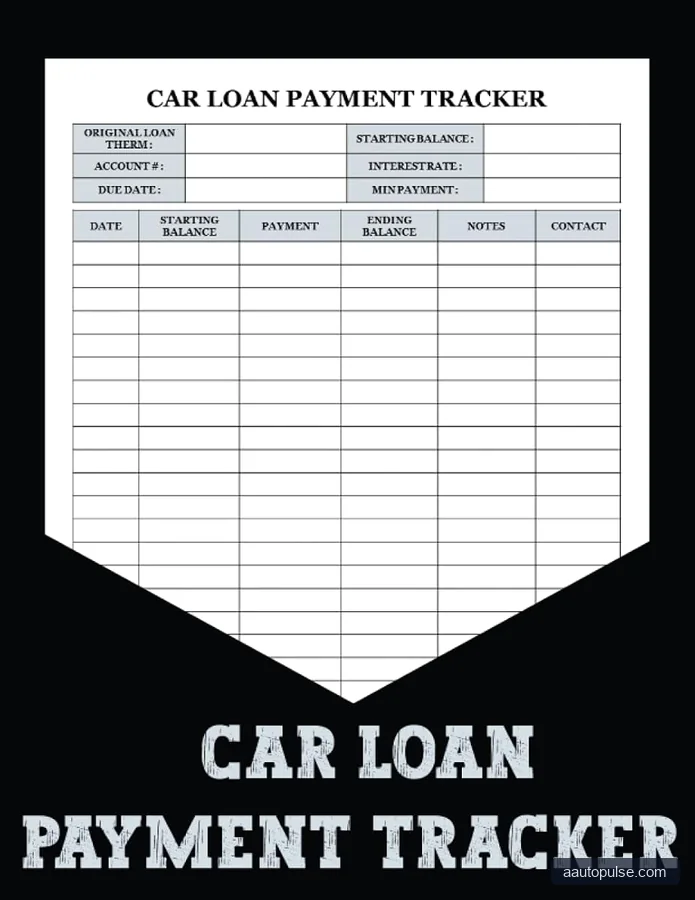
If you have wondered what does finance mean for a car, it simply means you are borrowing money to buy the vehicle and paying it back over time. The lender pays the seller, and you repay the lender in monthly installments. Those payments usually include both principal and interest.
How car loans work is easier to understand when you break them into three parts: the loan amount, the interest rate, and the repayment term. The loan amount is the price of the car minus any down payment or trade-in credit. The term is how long you have to repay the loan.
How do car payments work? Each payment reduces the amount you owe, while part of it covers the lender’s cost for lending money. Early in the loan, more of your payment goes toward interest. Later, more goes toward the principal.
What affects your monthly payment
- Vehicle price
- Down payment
- Interest rate
- Loan term
- Taxes, fees, and add-ons
A larger down payment can lower the amount you borrow. A shorter term can reduce total interest, but it usually means a higher monthly payment. A longer term lowers the monthly bill, but it can raise the total cost of the loan.
Credit, Income, and Approval Odds
Your credit score and buying a car are connected because lenders use credit to judge risk. A stronger credit profile can help you qualify for a lower rate. A weaker profile may still get approved, but with stricter terms, a larger down payment, or a higher rate.
Lenders also want to see stable income. They want confidence that your monthly car payment fits your budget along with rent, insurance, food, and other debt. A steady job helps, but some lenders also accept retirement income, disability income, or self-employment income if it is documented well.
What lenders often review
- Credit score and credit history
- Debt-to-income ratio
- Employment and income stability
- Loan-to-value ratio on the car
- Previous auto loan history, if any
| Buyer profile | What lenders may focus on | Likely challenge | Best move |
|---|---|---|---|
| Strong credit, steady income | Rate, term, and loan amount | Choosing the cheapest total loan, not just the lowest payment | Compare multiple offers and shorten the term if possible |
| Limited credit history | Proof of income and ability to pay | Limited borrowing history | Consider a co-signer or a modest loan amount |
| Lower credit score | Risk, down payment, and employment stability | Higher cost of borrowing | Improve credit first if you can, and shop carefully |
How Long Is a Normal Car Loan?
The typical car loan period varies, but many borrowers choose terms between 36 and 72 months. If you are asking how long is a normal car loan, the answer depends on your budget and the vehicle price. A shorter term usually saves money on interest, while a longer term can make the payment easier to manage.
Some buyers are tempted by a longer loan because the monthly bill looks lower. That can be useful in the short term, but it may also keep you in debt longer and increase the total interest paid. It is smart to focus on the total cost, not just the payment size.
| Loan term | Strengths | Limitations | Who should choose what |
|---|---|---|---|
| 36-48 months | Lower total interest, faster payoff | Higher monthly payment | Best for buyers who want to pay less overall |
| 60 months | Balanced payment and total cost | May still be costly if the rate is high | Good middle-ground choice for many buyers |
| 72+ months | Lower monthly payment | More interest, longer debt period | Best only if monthly affordability is the top priority |
How Long Does It Take to Finance a Car?
If you are asking how long does it take to finance a car, the answer can range from minutes to a few days. Preapproval can be fast if your documents are ready and your credit is easy to verify. Final funding may take longer if the lender needs extra paperwork or the car has title issues.
Dealer financing is often quicker at the point of sale, while bank or credit union financing may involve more steps but can offer competitive terms. A private-party purchase may take longer because the lender must confirm the vehicle, title, and sale details.
Ordered steps to speed up approval
- Check your credit report and correct obvious errors.
- Gather ID, income proof, and address proof before you apply.
- Get preapproved so you know your budget range.
- Compare at least two or three loan offers.
- Choose a vehicle that fits the approved amount and your monthly budget.
Tips for Financing a Car Without Overpaying
Good tips for financing a car start with shopping for the loan, not just the car. Many buyers focus on the monthly payment and miss the interest rate, fees, and term length. The better move is to compare the full offer, including the total amount you will repay.
It also helps to keep your loan size as small as possible. A down payment, trade-in, or choosing a less expensive vehicle can all reduce what you borrow. If your credit is not strong yet, waiting a few months to improve it may save you money later.
Smart financing habits
- Compare lenders before visiting the dealership
- Ask whether the rate is fixed or variable, if applicable
- Watch for add-ons that raise the loan balance
- Keep the payment well within your monthly budget
- Read the contract before signing
| Decision point | Better choice | Why it matters |
|---|---|---|
| Lowest monthly payment vs. lowest total cost | Lowest total cost, if affordable | A lower payment can hide a more expensive loan |
| Longer term vs. shorter term | Shorter term, when the payment fits | Shorter terms usually reduce interest paid |
| Dealership add-ons vs. bare loan | Only add what you truly need | Extra products can increase the amount financed quickly |
FAQ
Can I get a car loan with bad credit?
Yes, it may still be possible. Lenders may ask for a larger down payment, a co-signer, or proof of steady income. You may also face a higher interest rate, so it is worth comparing multiple offers and checking whether waiting to improve credit would save money.
What is the minimum credit score to buy a car?
There is no single minimum score for every lender. Some lenders work with a wide range of credit profiles, while others have stricter standards. Instead of focusing only on a score, review your full credit report, income, and debt load.
Do I need a down payment to finance a car?
Not always, but a down payment can help. It lowers the amount you borrow and may improve approval odds. If you do not have cash for a down payment, choose a payment plan you can handle without stretching your budget.
What happens if I miss a car payment?
Late payments can lead to fees, damage to your credit, and possibly repossession if the problem continues. If you think you may miss a payment, contact the lender early. Some lenders may offer short-term help or payment options.
Should I finance through a dealer or a bank?
It depends on the offer. Dealer financing can be convenient, while banks and credit unions may offer competitive rates. The best choice is the lender that gives you the best total deal after you compare rate, term, fees, and payment size.
Conclusion
If you want to know what do I need to get a car loan, start with the basics: identification, income proof, address proof, and a clear picture of your budget. Then compare lenders, review the loan term, and make sure the monthly payment fits your life. The smartest next step is simple: get preapproved, review your options, and choose the loan that costs the least overall, not just the one with the smallest monthly bill.