If you’re trying to budget for motorcycle service in 2026, the short answer is this: costs vary a lot by bike type, mileage, and what needs attention. A basic oil change and safety check may be affordable, while valve checks, tire work, chain replacement, or major motorcycle repairs can raise the bill fast. This guide breaks down common service costs, what affects them, what should be on your motorcycle maintenance list, and how to decide between dealer work and independent shops. Use it to plan smarter, avoid surprise repairs, and keep your ride reliable.
📖 Table of Contents
- What Motorcycle Service Usually Covers
- Typical Motorcycle Service Cost Guide in the US
- Service Intervals: A Practical Motorcycle Maintenance List
- DIY Maintenance vs Professional Motorcycle Repairs
- Chain Maintenance, Tires, and Other High-Value Checks
- How to Decide What Service Your Bike Needs
- FAQ: Motorcycle Service in 2026
- Conclusion: Plan Maintenance Now, Save on Repairs Later
📌 Key Takeaways
- Routine motorcycle service is usually much cheaper than waiting for repairs after a breakdown.
- Your owner’s manual is the best source for service intervals, fluid specs, chain care, and torque values.
- Dealer service often costs more, while independent shops may offer better value for common maintenance on motorcycle models.
- Basic motorbike maintenance, especially oil, tires, brakes, and chain maintenance motorcycle care, can prevent expensive problems later.
What Motorcycle Service Usually Covers
When riders ask, what is motorcycle maintenance, they usually mean the regular work that keeps a bike safe, smooth, and dependable. That includes oil and filter changes, chain cleaning and adjustment, brake checks, tire inspection, fluid top-offs, battery testing, and a general safety inspection. On many bikes, scheduled motorcycle servicing also includes valve clearance checks, air filter replacement, and fastener checks.
The exact list depends on the bike. A cruiser, sport bike, scooter, and adventure model can all have different intervals and service needs, so the owner’s manual should always come first.
Common service items and what they do
- Engine oil and filter: Protects internal parts and reduces wear.
- Chain or belt service: Keeps power delivery smooth and reduces drivetrain damage.
- Brake inspection: Checks pads, rotors, fluid level, and lever feel.
- Tire inspection: Looks for tread wear, age cracks, and correct pressure.
- Battery and charging check: Helps prevent no-start issues.
- Air filter: Supports fuel efficiency and throttle response.
Typical Motorcycle Service Cost Guide in the US
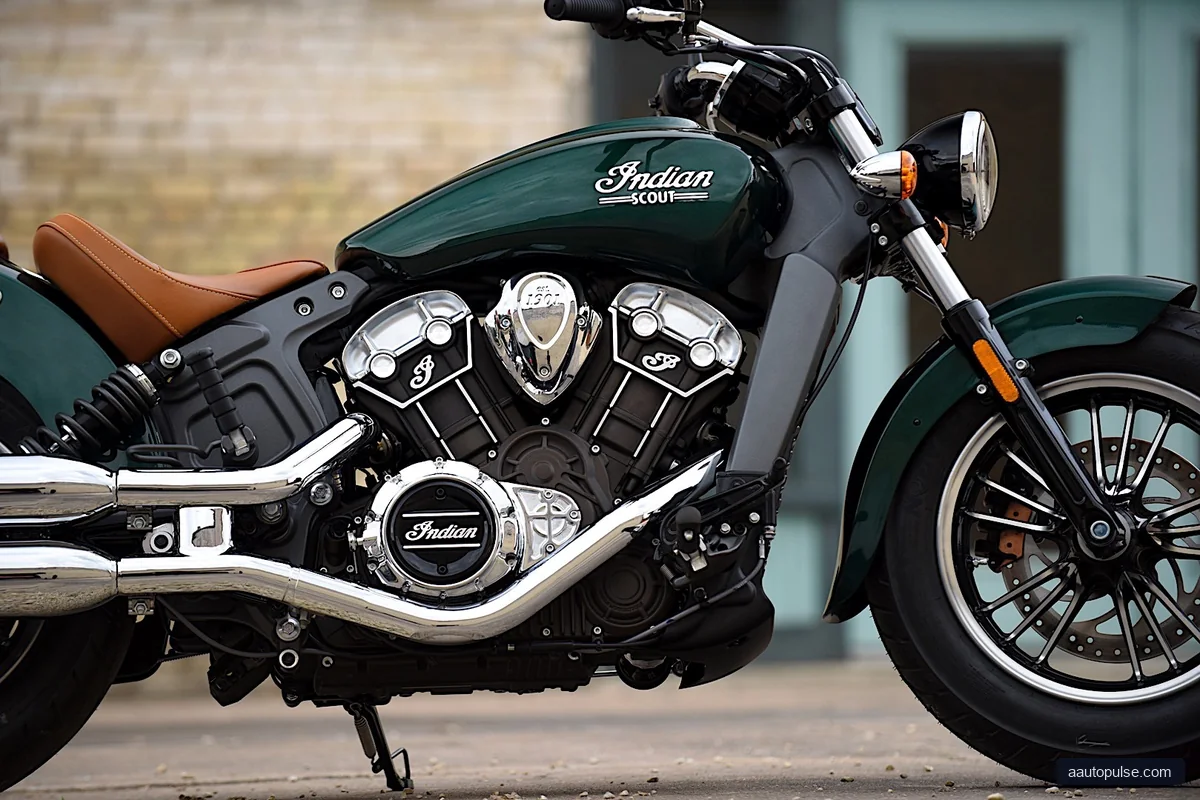
Motorcycle service cost depends on labor rates, bike complexity, and parts. In general, a simple visit at a shop will cost less than major motorcycle repairs, but more than doing the work yourself. The table below shows common service categories so you can compare the usual decision points.
| Service type | What it usually includes | Best for | Typical value point |
|---|---|---|---|
| Basic service | Oil change, visual inspection, tire check, chain check | Routine upkeep and seasonal prep | Best when the bike is otherwise healthy |
| Mid-level service | Filters, brake fluid, spark plugs, chain adjustment | Scheduled maintenance milestones | Good balance of cost and prevention |
| Major service | Valve inspection, coolant service, throttle sync, deeper diagnostics | Higher-mileage bikes or complex models | Worth it before big trips or at manual intervals |
| Repair visit | Fixes for brakes, charging, leaks, clutch, suspension, or drivetrain | When warning signs appear | Choose quickly if the bike is unsafe |
Dealer vs. independent shop
Dealers often specialize in one brand and may be the better fit for newer motorcycles, warranty work, or complex diagnostics. Independent shops can be a strong choice for routine motorbike servicing, especially for common wear items. The right answer usually comes down to the bike’s age, the work needed, and whether you need factory-level tools or software.
| Option | Strengths | Limitations | Who should choose what |
|---|---|---|---|
| Dealer | Brand knowledge, OEM parts access, warranty support | Often higher labor rates | Best for newer bikes, recalls, and warranty work |
| Independent shop | Flexible pricing, broader service options | Quality can vary by shop | Best for routine maintenance and older bikes |
| DIY | Lowest labor cost, faster learning | Requires tools, space, and care | Best for simple upkeep and experienced owners |
Service Intervals: A Practical Motorcycle Maintenance List
A solid motorcycle maintenance list helps you avoid missed service points. Exact mileage and time intervals vary, but many street bikes follow a pattern like this: oil changes every 3,000 to 6,000 miles, brake fluid every 1 to 2 years, coolant every 2 to 4 years, and major inspections at larger mileage milestones. Sport bikes and air-cooled bikes may need more frequent attention, while some modern bikes can go longer between visits.
Always verify the interval in the owner’s manual before scheduling work. The manual may also list alternate intervals for severe use, such as short trips, dusty roads, stop-and-go traffic, heat, or high-load riding.
Common symptoms that mean service is due now
- Hard starting or weak cranking
- Odd engine noise, ticking, or knocking
- Dragging brakes or squealing during stops
- Chain slack, rust, or jerky throttle response
- Vibration at speed or uneven tire wear
- Fluid leaks under the bike
- Burning smell after riding
DIY Maintenance vs Professional Motorcycle Repairs
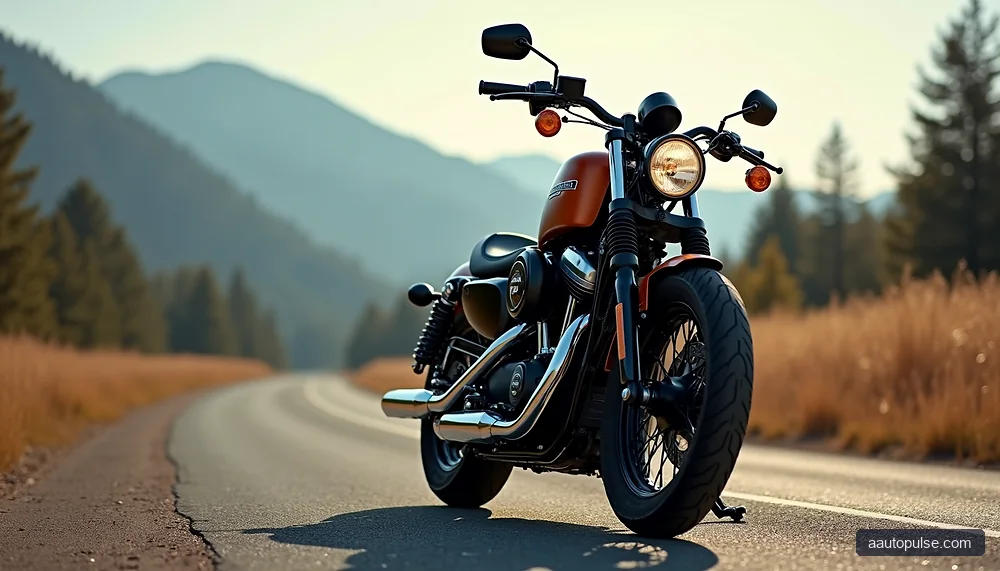
Many riders ask whether motorcycles are easy to maintain. The answer is: some are, some are not. Basic motorbike maintenance is often manageable if you can follow instructions, stay organized, and use the right tools for motorcycle maintenance. But complex motorcycle repairs, especially fuel-injected diagnostics, valve work, or suspension rebuilds, are usually better left to a shop.
If you are new to maintenance on motorcycle systems, start with simple jobs and build confidence. That may include chain care, battery checks, fluid level inspection, and tire pressure checks before moving on to more advanced work.
What belongs in a basic motorcycle maintenance kit
- Metric socket and wrench set
- Torque wrench
- Tire pressure gauge
- Chain brush and chain lube
- Oil drain pan and funnel
- Shop towels and nitrile gloves
- Service stand or center stand, if your bike supports it
A good motorcycle maintenance kit is about the right basics, not a huge box of special gear. The most important tools are the ones you will actually use safely and often.
Chain Maintenance, Tires, and Other High-Value Checks
Chain maintenance motorcycle care is one of the easiest ways to protect a drive chain bike. Most chains should be cleaned, inspected, and lubricated regularly, often every 300 to 600 miles in normal use, and more often in rain, dust, or wet road conditions. Check for tight spots, rust, hooked sprocket teeth, and proper slack according to the manual.
Tires are another high-value check. Look for cracks, low tread, punctures, and age, not just miles. A motorcycle can still be unsafe even if the tread looks fine, so date codes and air pressure matter.
Quick inspection checklist before a ride
- Check tire pressure and visual tire condition.
- Test front and rear brake feel.
- Look for leaks under the bike.
- Confirm chain slack and lubrication.
- Test lights, horn, and indicators.
- Make sure the throttle snaps back cleanly.
How to Decide What Service Your Bike Needs
Use a simple decision process when planning motorcycle upkeep. If the bike is running normally and only needs routine items, a basic service may be enough. If the bike has warning signs, strange sounds, or overdue intervals, move to a more complete inspection.
| Problem or goal | Likely service level | Best move |
|---|---|---|
| Seasonal prep | Basic service | Inspect fluids, tires, battery, and chain |
| Bike has 10,000+ miles and no recent records | Mid to major service | Review manual and budget for fluids, filters, and inspections |
| Stalling, noise, leaks, or brake issues | Repair visit | Stop riding if safety is affected |
| You want to learn basic motorbike maintenance | DIY-friendly maintenance | Start with chain care, tire pressure, and fluid checks |
FAQ: Motorcycle Service in 2026
How often should I schedule motorcycle service?
Most riders should follow the owner’s manual first. Many bikes need oil service every 3,000 to 6,000 miles, with larger inspections at longer mileage intervals. If you ride in heat, traffic, dust, or rain, you may need shorter intervals.
Are motorcycles easy to maintain for beginners?
They can be, especially for basic checks and simple jobs. Tire pressure, chain cleaning, battery care, and fluid inspection are often manageable. More advanced motorcycle repairs may require special tools, experience, or diagnostic equipment.
What tools do I need for basic motorcycle maintenance?
The best tools for motorcycle maintenance usually include metric hand tools, a torque wrench, a tire gauge, a chain brush, and a drain pan. A motorcycle maintenance kit should match your bike’s fasteners and service needs, not just generic workshop items.
What is included in a chain maintenance motorcycle routine?
A proper chain routine includes cleaning, inspecting for wear, checking slack, and applying lubricant as needed. The exact interval depends on your bike and riding conditions, so confirm the schedule in the manual.
When should I choose a shop instead of doing it myself?
Choose a shop if the bike has leaks, brake problems, electrical faults, unstable idle, or a service item you cannot safely complete. A professional is also a smart choice when the work requires special tools, brand-specific procedures, or warranty documentation.
Conclusion: Plan Maintenance Now, Save on Repairs Later
The smartest way to control motorcycle service cost is to stay ahead of wear. Follow your owner’s manual, keep a simple motorcycle maintenance list, and handle basic inspections before small issues turn into expensive motorcycle repairs. If you are unsure about a symptom or interval, get a qualified shop opinion early.
For the best result, compare your service needs, your comfort with DIY work, and the age of your bike. That balance will help you keep your motorcycle safe, reliable, and far cheaper to own over time.
Featured image: Photo: henribergius / CC BY-SA 2.0 via flickr