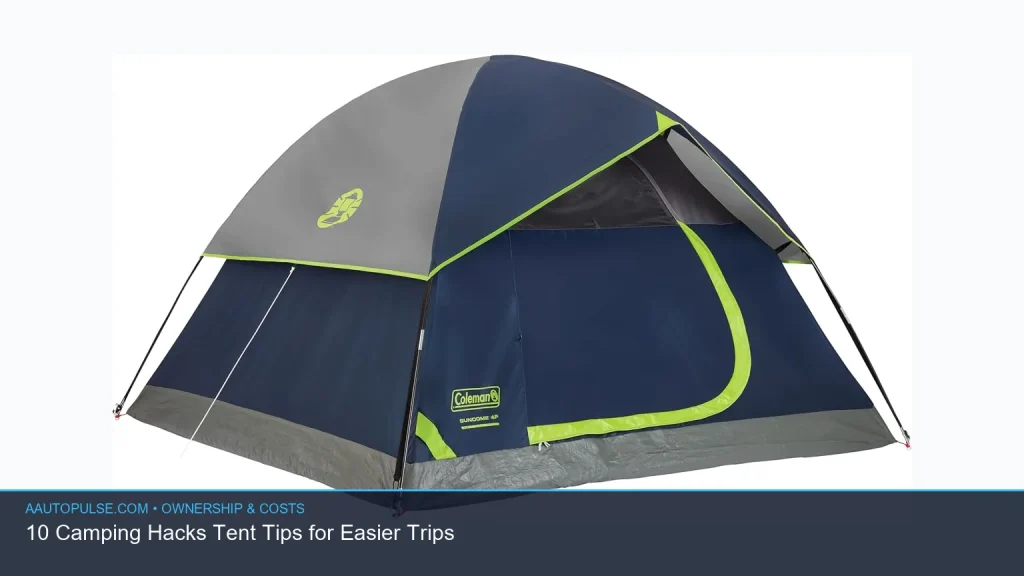
If you want smoother weekends outdoors, the best camping hacks tent tricks are simple, low-cost, and easy to use. Good tent setup can mean less time fighting poles, fewer leaks, better sleep, and faster packing when it is time to go home. In this guide, you will learn practical tent hacks that help with setup, comfort, storage, weather protection, and cleanup. These tips are designed for US campers who want easier trips without buying a bunch of gear.
📖 Table of Contents
- 1. Start with a smarter campsite setup
- 2. Use a groundsheet, but keep it sized right
- 3. Pre-sort and label your tent parts at home
- 4. Make setup easier with a dry-run at home
- 5. Improve comfort with better airflow and layout
- 6. Use weather-smart hacks before the storm
- 7. Pack a tiny tent kit for faster problem-solving
- FAQ: Camping hacks tent tips
- Conclusion: small tent habits make trips much easier
📌 Key Takeaways
- Small tent habits, like pre-sorting parts and marking pole sections, save time and reduce setup stress.
- Weather prep matters more than most people think. Site choice, orientation, and a ground barrier can prevent common problems.
- Better organization inside the tent improves sleep, keeps gear dry, and makes packing faster.
- A simple packing routine at home is one of the easiest ways to make every trip easier.
1. Start with a smarter campsite setup
The easiest camping wins often happen before the tent is even open. Pick a flat spot with good drainage and clear the ground of sticks, rocks, and sharp debris. If possible, avoid low areas where water can pool after rain.
Also think about wind and sun. Pointing the tent door away from the strongest wind can help reduce drafts, while a bit of morning shade can make the tent less hot when you wake up.
Quick site check before you pitch
- Look for a level area with no visible dip in the middle.
- Check overhead for dead branches or loose limbs.
- Feel the ground for roots, rocks, and hard bumps.
- Watch for signs of runoff paths or muddy channels.
This is one of the best tent camping hacks because it prevents problems you cannot fix later. A bad site can turn a simple overnight into a wet, restless night.
2. Use a groundsheet, but keep it sized right
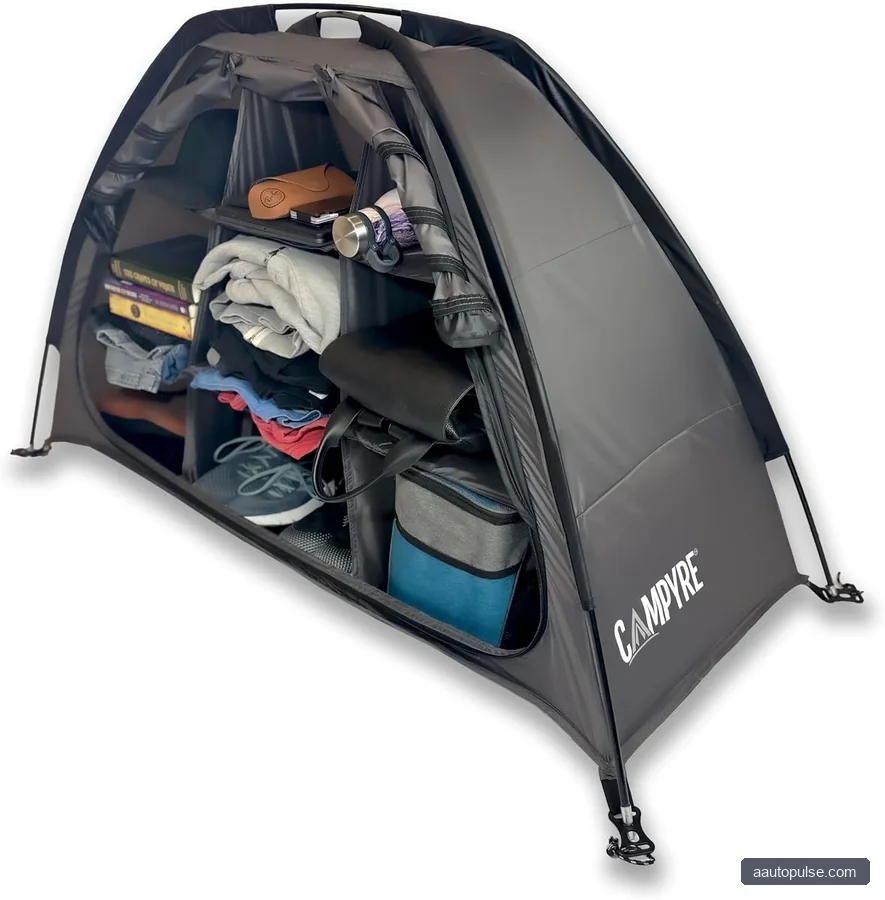
A groundsheet helps protect the tent floor from abrasion and moisture. The key is to keep it slightly smaller than the tent footprint so water does not collect between the layers. If the tarp sticks out too far, it can funnel rain under the tent.
Many campers use a simple tarp, footprint, or other barrier under the tent. The material matters less than the fit and placement, so check that it stays tucked under the tent floor.
| Ground Protection Option | Strengths | Limitations | Best For |
|---|---|---|---|
| Fitted footprint | Best shape match, easy to use | May cost more than a basic tarp | Frequent campers |
| Basic tarp | Low cost, easy to find | Can collect water if too large | Occasional trips |
| Insulating pad layer | Adds comfort in rough ground | Not a full moisture barrier | Cold-weather campers |
Who should choose what: if you camp often, a fitted footprint is usually easiest. If you camp a few times a year, a well-sized tarp can work fine. If the ground is cold or uneven, add a pad inside the tent for comfort.
3. Pre-sort and label your tent parts at home
One of the most useful camping hacks tent beginners overlook is packing the tent the same way every time. Keep poles, stakes, guylines, and the rainfly in separate bags or pouches if your tent storage system allows it. That way, you are not dumping everything out at the campsite and trying to find one small clip in the grass.
If your poles are sectional, mark them so the setup order is obvious. A small piece of tape or a simple color cue can make assembly much faster, especially after dark or in bad weather.
Simple packing routine
- Lay out the tent at home and check that all parts are present.
- Put stakes and guylines in one pouch.
- Keep poles together, with sections aligned in the same direction.
- Store the rainfly on top so it is easy to reach first.
- Pack a small repair kit with patch material and extra cord if your tent uses it.
This habit cuts setup time and also makes missing parts easy to spot before you leave the driveway. It is much better to find a lost stake at home than at the trailhead.
4. Make setup easier with a dry-run at home
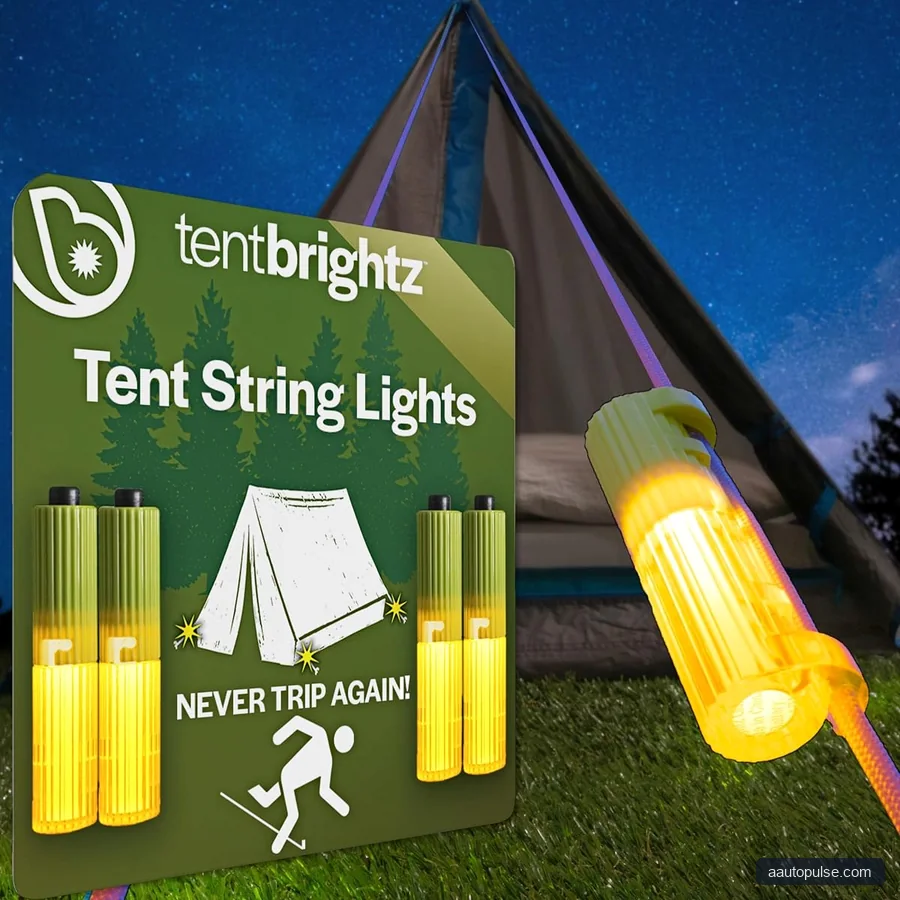
If you have not used your tent in a while, set it up in the yard or garage before the trip. This helps you remember the pole order, clip placement, and rainfly direction. It also gives you time to notice worn straps, bent poles, or missing stakes.
A quick test setup is especially helpful before longer trips or trips with kids. When the tent goes up smoothly at home, it usually goes up more smoothly at camp too.
What to check during the dry-run
- Do the poles connect in the right order?
- Do the clips or sleeves line up correctly?
- Does the rainfly cover the tent evenly?
- Are zippers moving smoothly?
- Are stake loops intact and not stretched out?
If something looks off, fix it before you travel. A short check at home can prevent a frustrating first night outdoors.
5. Improve comfort with better airflow and layout
Comfort matters more than many campers expect. Hot, stuffy tents can make sleep difficult, while cramped layouts create clutter and stress. Use vents when available, and avoid blocking airflow with bags or jackets pressed against the walls.
Inside the tent, keep sleeping gear in one area and non-essentials near the door or in an organized corner. This keeps the main sleep space clear and makes it easier to move around without stepping on gear.
| Tent Comfort Problem | Likely Cause | Practical Fix |
|---|---|---|
| Too warm at night | Poor airflow or too much sun | Open vents, use shade, avoid full closure unless weather requires it |
| Condensation inside | Moist air trapped in the tent | Increase ventilation and keep wet gear outside or in the vestibule |
| Crowded sleeping area | Gear spread across the floor | Use storage pockets and keep shoes near the door |
6. Use weather-smart hacks before the storm
Weather is where good tent habits really pay off. Make sure the tent is staked down securely, even if the forecast looks calm. Wind can shift fast, and a loose tent is much harder to manage once rain starts.
When rain is possible, close the tent up enough to protect the interior, but do not seal it so tightly that moisture cannot escape. Balance protection with airflow to reduce condensation.
Storm prep checklist
- Stake out all corners firmly.
- Use guylines if your tent includes them.
- Keep wet shoes and muddy gear out of the sleep zone.
- Zip doors fully before leaving the campsite.
- Check the rainfly so it is positioned evenly and not sagging.
After rain, shake excess water off the fly before packing. If you must pack the tent while damp, dry it fully as soon as you get home to help prevent mildew and odor.
7. Pack a tiny tent kit for faster problem-solving
A small tent kit can save a trip when minor problems show up. You do not need a large repair bag. A few simple items are often enough to handle common issues like a loose line, snagged zipper, or small tear.
Keep the kit with your tent bag so it does not get lost in the car. The goal is speed, not bulk.
| Problem | What to Try First | When to Stop and Recheck |
|---|---|---|
| Pole will not seat | Check alignment and connector order | If a pole is bent or cracked |
| Zipper snags | Clear fabric from the teeth and move slowly | If the zipper teeth are damaged |
| Tent feels unstable | Tighten stakes and guylines | If the ground is too soft for solid anchoring |
These are not flashy tricks, but they are the kinds of camping hacks tent users rely on most. Simple fixes often make the biggest difference.
FAQ: Camping hacks tent tips
How do I keep water from getting under my tent?
Use a groundsheet that is slightly smaller than the tent floor, and set your tent on higher ground when possible. Avoid low spots and check for runoff paths before setting up.
What is the easiest way to speed up tent setup?
Pre-sort your tent parts at home and do a practice setup before your trip. If you know where every pole, stake, and line goes, setup becomes much faster at camp.
How can I reduce condensation inside the tent?
Open vents when weather allows, avoid blocking airflow with gear, and keep wet items outside the sleeping area. Condensation usually gets worse when warm, moist air has nowhere to escape.
Should I pack my tent wet if I have to leave quickly?
Only if needed. If you must pack it damp, dry it fully as soon as you return home. Leaving a tent wet for long can lead to mildew, odor, and faster wear.
What is the biggest beginner mistake with tents?
Choosing a campsite too quickly. A bad site can cause leaks, poor sleep, and extra setup problems, so a few minutes of site selection can save a lot of trouble later.
Conclusion: small tent habits make trips much easier
The best camping hacks tent tips are the simple ones you can use every time. Pick a better site, protect the floor, organize your parts, and test your tent before you leave. Those small steps add up to faster setup, better sleep, and less stress on the road.
Before your next trip, choose two or three tips from this guide and use them right away. Once they become habit, your camping routine will feel easier from start to finish.