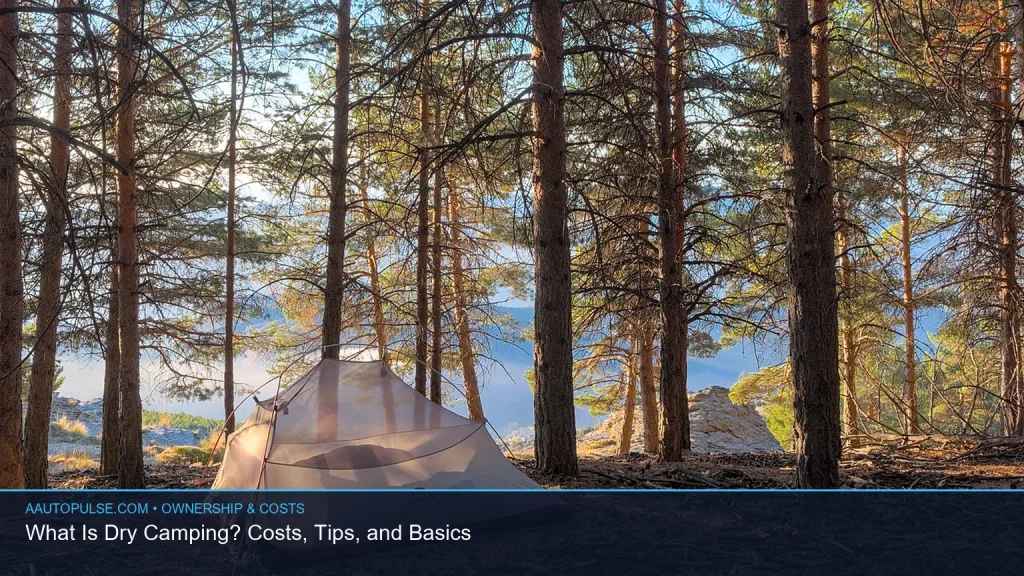
If you’ve been wondering what is dry camping, the short answer is this: it means camping without hookups to water, sewer, or electric power. It is also called boondocking or dispersed camping. Many RV owners choose it to save money, stay off-grid, and camp in more remote places. But it also means more planning, careful water use, and a better handle on battery and waste management. Below, you’ll learn the basics, the real costs, and the best tips so you can decide if dry camping fits your travel style.
📖 Table of Contents
📌 Key Takeaways
- Dry camping means camping without hookups for water, sewer, or electricity.
- It can be low-cost or even free, but you may spend more on fuel, water, power gear, and waste disposal.
- Success depends on planning: battery power, water storage, toilet use, and food prep all matter.
- It works best for campers who want flexibility, quiet sites, and are comfortable managing basic off-grid needs.
What Is Dry Camping?
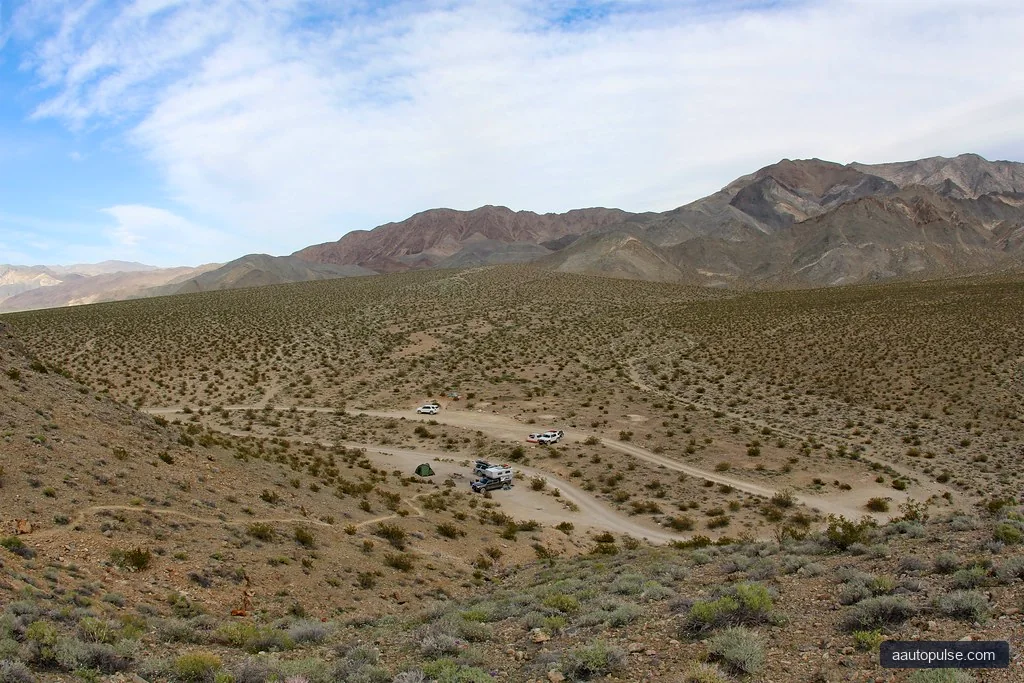
Dry camping is a camping setup with no utility hookups. That means no shore power, no city water, and no sewer connection. You may camp in a national forest, on public land, in a parking area that allows overnight stays, or in a basic campground without hookups.
For RV users, the main challenge is self-sufficiency. You rely on your own tanks, batteries, propane, and stored water. For tent campers, the idea is simpler, but you still need to bring everything needed for light, cooking, hydration, and sanitation.
People often use the terms dry camping and boondocking interchangeably. In common use, that is fine, though some campers reserve “boondocking” for more remote or dispersed sites. The core idea is the same: you are camping without external utility support.
How Dry Camping Differs From Hookup Camping
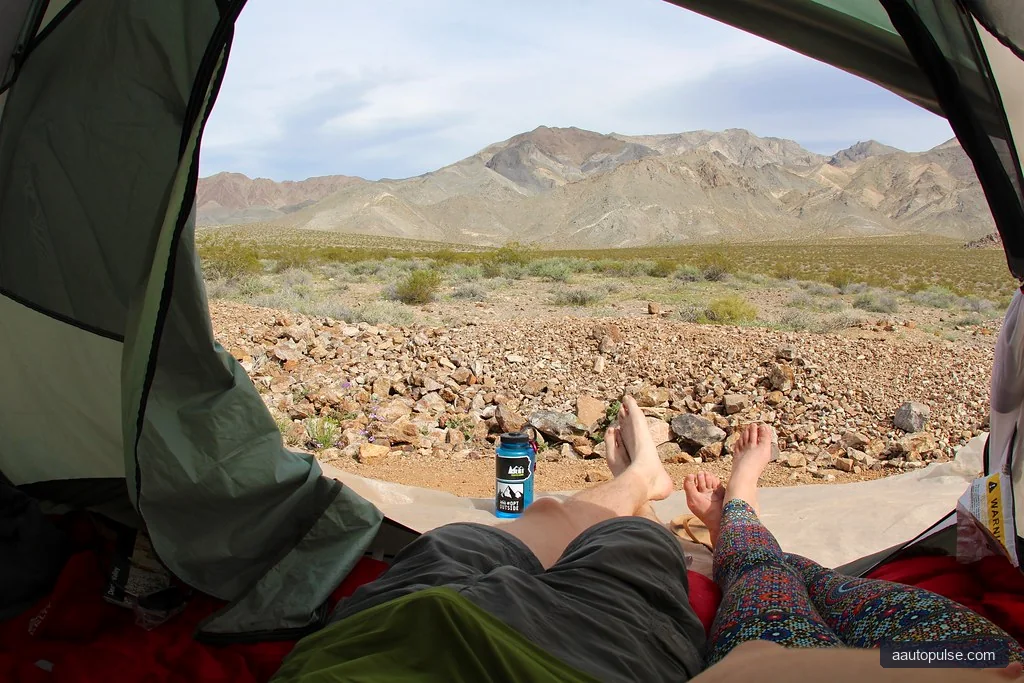
Hookup camping gives you easy access to electricity, water, and sewer service. Dry camping trades those comforts for lower costs, more location choices, and less crowded surroundings. The right choice depends on how much convenience you want versus how much freedom you want.
| Option | Best For | Strengths | Limitations |
|---|---|---|---|
| Dry camping | Budget travelers, off-grid campers, flexible RV users | Lower site cost, more remote locations, quiet settings | Requires planning, limited water and power, waste management |
| Hookup camping | Campers who want comfort and convenience | Easy utilities, simpler routines, better for longer stays | Usually higher cost, less privacy, more crowded sites |
Who should choose what? If you want the simplest trip and don’t mind paying more, hookup camping is easier. If you value independence, lower site fees, and quieter settings, dry camping is often the better fit.
What Dry Camping Costs
The campsite itself may be free or low cost, but that does not mean the trip is free. Costs often shift into fuel, extra gear, water refills, generator fuel, and waste disposal. The exact total depends on where you camp, how long you stay, and how self-contained your setup is.
Common cost categories include campsite fees, fuel for getting to remote areas, propane for cooking or heating, and battery-related equipment if you need off-grid power. Some campers also pay for dumping tanks or filling fresh water at a service location after the trip.
If you already own an RV with strong battery storage and larger tanks, your costs may stay low. If you need to buy power gear, water containers, or a portable waste solution, the upfront expense can be much higher. Because prices vary by region and season, current local rates should be checked before you go.
Where the money usually goes
- Site fees: free dispersed sites, low-fee public campgrounds, or paid private land access.
- Fuel: extra driving for remote sites and supply runs.
- Water: refill stops, hauling containers, or treatment if needed.
- Power: batteries, solar, inverter use, propane, or generator fuel.
- Waste: dump station fees and trash disposal.
How to Prepare for Dry Camping
Preparation is the difference between a smooth off-grid trip and a frustrating one. Start by thinking in three buckets: water, power, and waste. Then add food, weather, and communication needs to the list.
- Check your tank and battery setup. Know your fresh water, gray water, and black water capacity. If you camp in an RV, verify your battery bank and whether your charging setup is enough for your stay.
- Estimate your daily use. A quick shower, dish washing, and toilet use all add up fast. Saving water early in the trip often makes the biggest difference later.
- Pack for low power use. Use LED lights, charge devices before sunset, and reduce unnecessary appliance use. If you rely on a generator, follow local rules and quiet hours.
- Plan your food wisely. Simple meals reduce cleanup and save water. Prepping food at home can also lower your dishwashing needs.
- Know your exit plan. Map fuel stops, water refill points, and dump stations before you leave. Cell service may be weak, so download maps in advance.
Caution: Never assume a site will have cell coverage, water, or a trash service nearby. Verify access rules, road conditions, and weather before you travel. If you are using public land, check current agency guidelines because conditions and restrictions can change.
Practical Tips to Make Dry Camping Easier
Good dry camping is mostly about good habits. Small changes can stretch your water, battery life, and comfort far more than most people expect. The goal is not to rough it for its own sake. It is to camp well with limited resources.
Save water
- Use quick sponge baths or short showers.
- Turn off the tap while brushing teeth or soaping dishes.
- Cook meals that need little cleanup.
- Reuse rinse water where safe and practical.
Stretch battery life
- Switch to LED lighting.
- Limit high-draw appliances unless you have enough battery capacity.
- Monitor voltage or battery status if your system supports it.
- Recharge at the right time instead of waiting until power is critically low.
Manage waste wisely
- Carry trash out with you.
- Use dump stations before tanks get too full.
- Follow local rules for gray water and toilet waste.
- Keep wipes, paper, and hygiene items from clogging systems.
For RV users, it helps to treat dry camping like a short supply chain. You are managing inventory, not just camping. The more you track what you use each day, the easier it becomes to predict how long you can stay out.
Common Dry Camping Problems and How to Fix Them
Even well-planned trips can run into trouble. The good news is that most dry camping issues are easy to spot early. A simple checklist can keep minor problems from becoming trip-ending ones.
| Problem | Likely Cause | What to Do |
|---|---|---|
| Water runs out early | Overuse, leaks, or poor planning | Reduce dishwashing, shorten showers, and refill at the nearest legal source |
| Battery dies too fast | Too many appliance loads or weak charging | Cut unnecessary power use and recharge sooner |
| Holding tanks fill up | Frequent use or long stay | Use less water and plan a dump station stop |
| Comfort drops in bad weather | No utility support for heating or cooling | Check forecast, bring proper gear, and avoid overcommitting on stay length |
If a problem affects safety, leave early rather than trying to push through. Dry camping should be flexible. If conditions are getting hard, the smart move is often to head to a hookup site or a more suitable campground.
Is Dry Camping Right for You?
Dry camping works best for people who enjoy planning and can live with fewer comforts. It is a strong fit for budget-minded travelers, remote-area explorers, and RV owners who already understand their rig’s limits. It can also be a good way to extend travel time without paying for full-service sites every night.
It may not be ideal if you need constant climate control, long showers, or a lot of electrical power. It is also not the best choice if you do not want to monitor water levels, battery charge, and waste tanks. In that case, hookups may save you stress and give you a better trip overall.
Best-fit checklist
- You are comfortable with simple routines.
- You can track your water and power use.
- You want lower-cost or more remote camping options.
- You are willing to verify site rules before arrival.
FAQ
Is dry camping legal everywhere?
No. Legal camping depends on the land type, local rules, and posted restrictions. Public lands, private property, and commercial campgrounds may all have different requirements. Always verify current rules before you stay overnight.
How long can you dry camp?
It depends on your water supply, battery capacity, waste tank size, and how carefully you conserve resources. Some campers stay one night, while others stay much longer with a well-prepared setup. The right answer is based on your own equipment and habits.
Do you need a generator for dry camping?
Not always. Some campers use solar, large battery banks, or very simple power needs and never use a generator. Others rely on one for charging or for heavy power demands. Local noise rules and campground policies may limit generator use, so check ahead.
What is the biggest mistake beginners make?
Underestimating water and power use is common. Many first-timers also forget to plan for waste disposal or assume they can find services nearby. A short test trip can help you learn your actual usage before heading out for longer stays.
Is dry camping the same as boondocking?
In everyday use, the terms are often used the same way. Some campers use “boondocking” for more remote or dispersed camping, but both usually mean no hookups. The exact term matters less than understanding the setup.
Conclusion
Now you know what is dry camping, how it differs from hookup camping, and what it can cost. It can be a smart, flexible, low-cost way to travel if you are willing to plan ahead and manage water, power, and waste carefully. Start with a short trip, learn your real usage, and make a checklist before you go. That simple approach will help you enjoy dry camping with far less stress.