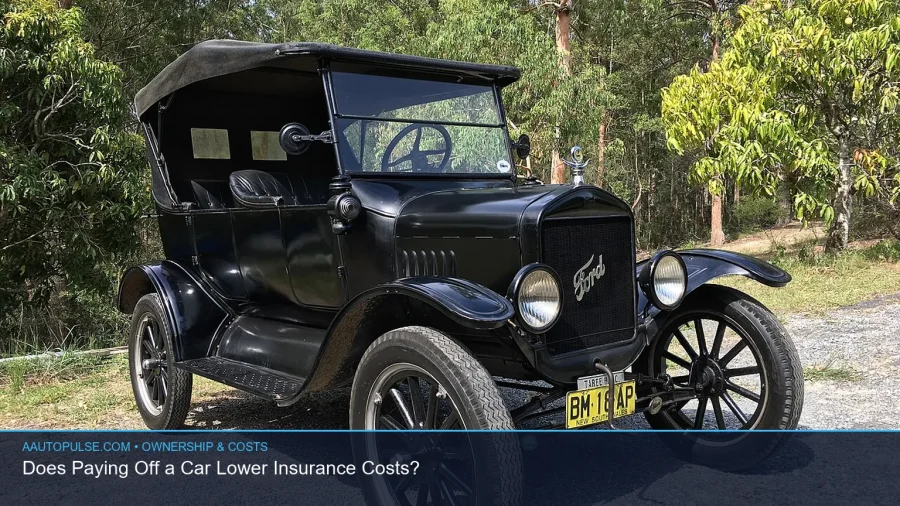
If you love vintage cars, there are more career paths than many people realize. Classic car jobs range from hands-on restoration and paint work to parts sourcing, sales, appraisal, and preservation. Pay varies a lot by role, skill level, and location, but the best jobs often blend mechanical know-how, attention to detail, and a real feel for old vehicles. This guide breaks down the most common roles, what they pay, and how to choose a path that fits your skills and goals.
📖 Table of Contents
- What Classic Car Jobs Actually Include
- Best Paying Classic Car Jobs and What They Involve
- Classic Car Jobs: Skills That Matter Most
- How to Start a Career in Classic Cars
- Classic Car Maintenance and Repair: What Jobs Often Handle
- Decision Guide: Which Classic Car Path Fits You Best?
- FAQs About Classic Car Jobs
- Conclusion: Choose the Role That Matches Your Strengths
📌 Key Takeaways
- Classic car jobs cover restoration, repair, sourcing, sales, valuation, and specialty detailing.
- Pay depends on skill, shop type, and how rare or complex the vehicle is.
- The best career path is often a mix of hands-on work, parts knowledge, and customer trust.
- Formal training helps, but experience, portfolio work, and networking often matter just as much.
What Classic Car Jobs Actually Include
Classic car work is broader than many job seekers expect. Some roles focus on wrenching, while others center on research, sourcing, or customer service. Because older vehicles often need custom solutions, the work can be part technical repair and part detective work.
In the US, employers may use terms like restoration technician, vintage auto mechanic, trim specialist, metal fabricator, parts specialist, or appraiser. Some jobs are in full restoration shops, while others sit in dealerships, auction houses, museums, insurance offices, or private collections.
Common role types
- Restoration technician: Repairs engines, brakes, suspension, electrical systems, and drivetrains on older vehicles.
- Body and paint specialist: Handles rust repair, panel fitment, bodywork, and period-correct finishes.
- Interior and trim craftsman: Restores seats, dashboards, carpets, woodgrain, and tops.
- Parts specialist: Sources hard-to-find components and cross-references interchange data.
- Appraiser or estimator: Evaluates vehicle condition, authenticity, and market value.
- Sales or consignment specialist: Markets classic vehicles to buyers and collectors.
Best Paying Classic Car Jobs and What They Involve
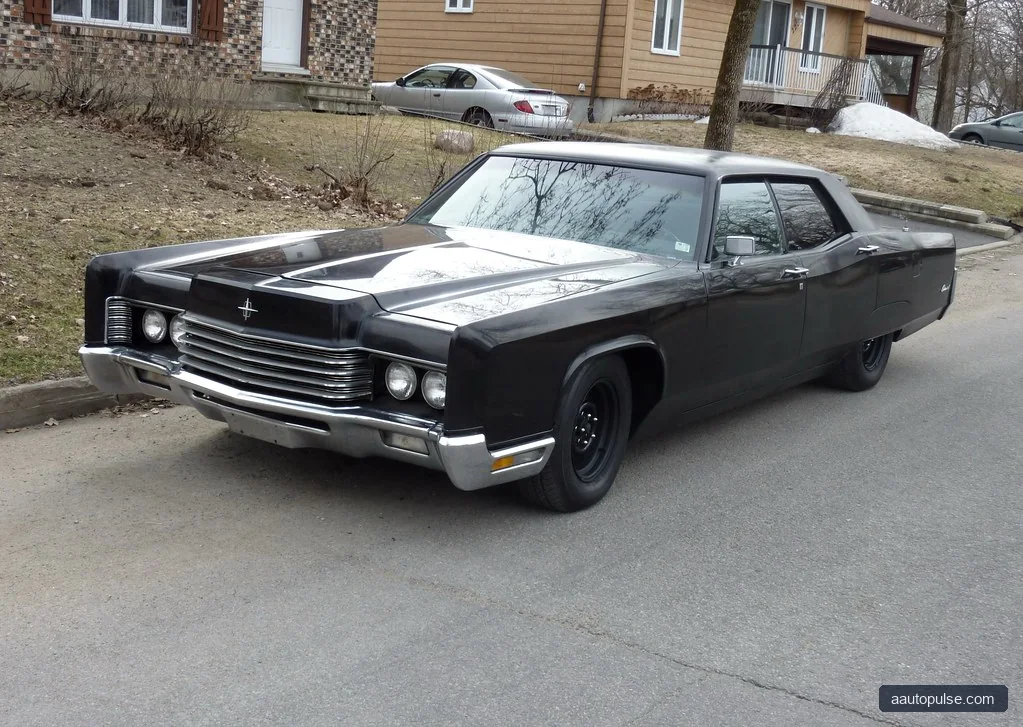
Pay in classic car jobs can swing widely because the industry includes both entry-level shop roles and highly specialized craft positions. Jobs that require rare technical skill, accuracy, or sales expertise often pay better. Jobs tied to high-end restorations or collectible cars can also offer stronger earning potential, especially in major metro areas.
| Role | Best For | Typical Strengths | Main Limitations |
|---|---|---|---|
| Restoration technician | People who like hands-on mechanical work | Broad skills, steady shop demand | Can be physically demanding and time-heavy |
| Body/paint specialist | Detail-oriented makers | High value in quality shops | Requires patience and a clean workflow |
| Parts specialist | Researchers and networkers | Strong niche expertise | Success depends on rare inventory access |
| Appraiser/estimator | Analytical people with market knowledge | Less physical labor, strong trust role | Requires credibility and current market awareness |
| Sales/consignment specialist | People who communicate well | Can earn well with high-value inventory | Income may depend on commission or deal flow |
Who should choose what: if you like tools and problem-solving, restoration work is the most direct path. If you prefer fewer greasy hands and more analysis, parts, appraisal, or sales may fit better. If you want top-end earning potential, specialized body, paint, and high-trust appraisal work often stand out.
Classic Car Jobs: Skills That Matter Most
Classic cars reward people who can do more than follow a repair manual. Many older vehicles have mixed parts, previous repairs, and model-year quirks. That means success often comes from patience, accuracy, and the ability to verify what is actually on the car.
Strong candidates usually have a mix of mechanical basics and old-car judgment. They know how to inspect rust, spot wear, read build tags, and understand when a repair should be preserved rather than replaced.
Core skills employers look for
- Mechanical troubleshooting: Ignition, fuel, cooling, charging, braking, and steering systems.
- Body and fabrication basics: Metal repair, welding, sanding, fitment, and alignment.
- Electrical diagnosis: Old wiring, connectors, grounds, and accessory systems.
- Research skills: Finding correct trim codes, date stamps, and factory references.
- Customer communication: Explaining scope, delays, and restoration choices clearly.
For learning, many workers rely on service manuals, factory literature, and classic car books that cover restoration methods, model history, and authenticity details. Those resources are especially useful when a vehicle is missing parts or has been modified over time.
How to Start a Career in Classic Cars
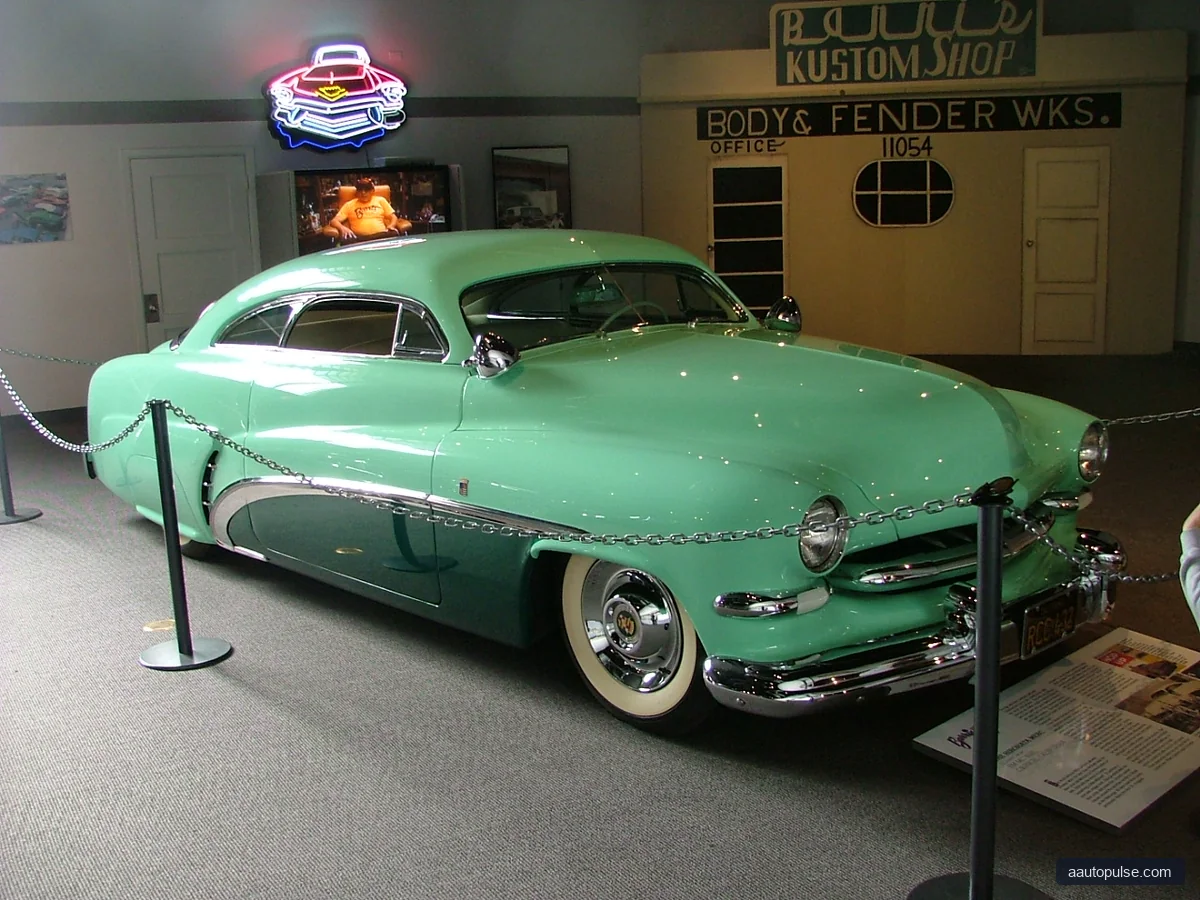
You do not always need a four-year degree to enter this field. Many people start in general auto repair, collision shops, or parts departments and then move into classic work. What matters most is proving that you can handle older vehicles with care.
That said, the best path depends on whether you want to build, appraise, sell, or research. A shop-based career will look very different from a valuation or sales path.
- Pick a lane: Choose restoration, body, trim, parts, appraisal, or sales.
- Learn the basics: Study brakes, ignition, fuel systems, rust repair, and wiring.
- Build a portfolio: Photograph before-and-after work, even on small projects.
- Use authentic references: Factory manuals and classic car books help verify original details.
- Find mentors: Shops, clubs, auctions, and car shows are good places to network.
- Start with repeatable work: Tune-ups, detailing, trim repair, and minor mechanical jobs build trust.
Caution matters here. Vintage vehicles may have brittle wiring, worn fuel lines, weak brakes, and hidden rust. If a car has major safety concerns, it should not be driven until the system is properly inspected and repaired.
Classic Car Maintenance and Repair: What Jobs Often Handle
Many classic car jobs involve maintenance as much as restoration. Shops often see cars that need oil changes, cooling service, brake work, and diagnostics before any cosmetic work begins. Older cars may also need more frequent attention than modern vehicles, especially if they are driven regularly.
As a general example, some classic cars benefit from oil changes around every 2,500 to 3,000 miles when driven often, while low-use collector cars may still need time-based service to protect seals and fluids. Common small-block V8 oil capacities can land around 4 to 6 quarts, but you must verify the exact capacity in the owner’s manual or factory service guide for the specific vehicle.
Useful symptom checklist for older vehicles
- Hard starting, especially cold starts
- Rough idle or hesitation under throttle
- Brake pull, squeal, or a soft pedal
- Overheating in traffic
- Charging issues, dim lights, or weak accessories
- Fuel smell, leaks, or vapor lock symptoms
- Rust in floors, frame rails, or suspension mounting points
If you work in this field, a simple diagnostic order helps save time: check fluid levels, inspect belts and hoses, test battery and charging output, verify spark and fuel delivery, then look for mechanical wear. For any model-specific maintenance interval, always confirm the schedule in the vehicle’s manual because restorations and swaps can change the correct procedure.
Decision Guide: Which Classic Car Path Fits You Best?
Not every classic car job is the right match for every person. Some people want full hands-on work. Others want a cleaner office-style role with fewer tools and more research. Use the table below to narrow your path.
| If you enjoy… | Best-fit role | Why it fits |
|---|---|---|
| Turning wrenches and solving mechanical problems | Restoration technician | Direct involvement with engines, brakes, and drivability |
| Precision work and surface finishing | Body/paint or trim specialist | Best for detail-focused craft work |
| Research, catalogs, and obscure parts | Parts specialist | Rewards knowledge and persistence |
| Market trends and valuation | Appraiser or estimator | Uses analytical and communication skills |
| Talking with collectors and buyers | Sales or consignment specialist | Strong fit if you can explain value and history clearly |
One unusual niche you may see is a custom car made from cast off parts. That work blends fabrication, creativity, and parts scavenging, and it can sit between hot rod building and artistic custom work. It is not for everyone, but it can be a strong fit for builders who enjoy problem-solving with limited or recycled materials.
FAQs About Classic Car Jobs
Do classic car jobs pay well?
They can, but the range is wide. Entry-level roles may pay like other automotive jobs, while specialized work such as high-end restoration, bodywork, appraisal, or rare-parts sourcing can pay better. Skill, reputation, and location matter a lot.
Do I need certification to work in classic car restoration?
Not always. Some employers value formal automotive training or ASE-style knowledge, but many classic car shops care most about proven experience, craftsmanship, and a solid portfolio. For certain roles, especially appraisal or insurance-related work, extra credentials can help.
What is the best first job if I want to work with classic cars?
A good first step is a general repair, collision, or parts role. Those jobs teach useful basics like diagnostics, fastener identification, customer communication, and parts sourcing. From there, you can move into more specialized classic work.
Are classic car jobs only about restoration?
No. The field also includes sales, appraisals, inspections, museum work, parts research, detailing, and collection management. Some people even build careers around documentation, photography, and auction support.
How do I learn more about older cars at home?
Start with factory manuals, restoration guides, and trusted classic car books. Then practice on one model or one system at a time so you can build real understanding instead of chasing random fixes. Car clubs and local shows are also useful for learning correct details and meeting people in the field.
Conclusion: Choose the Role That Matches Your Strengths
Classic car jobs offer more than a single career track. If you like hands-on work, restoration and body repair can be rewarding. If you prefer research or communication, parts, appraisal, and sales can be a smarter fit.
The best next step is to choose one lane, build skills in that area, and create proof of your work. Start small, stay detail-focused, and use reliable references so you can grow into the classic car world with confidence.