Balancing daily utility with weekend excitement can feel like an impossible task. Commuting in traffic demands comfort, strong fuel economy, and proven safety ratings. Sunny Saturday mornings, however, call for sharp steering and an open road. You do not have to settle for a dull drive. Deciding between a dedicated commuter paired with a weekend toy or a single do-it-all performance car comes down to budget, parking space, and personal taste. This guide shows you how to pair a daily car and fun weekend vehicle without overspending or sacrificing practical needs.
📖 Table of Contents
- The Two-Car Garage vs. The All-in-One Performer
- Everyday Commuter Priorities: Safety, Comfort, and Upkeep
- What Makes a Weekend Car and Fun to Drive?
- Evaluating the Costs: Purchase, Insurance, and Upkeep
- Comparing Your Options: Commuter, Weekend Toy, or All-in-One
- Cabin Comfort and Family Travel: Making Travel Fun for Everyone
- Frequently Asked Questions
- Conclusion: Building Your Perfect Fleet
Products mentioned
- Blu Jay Children’s Scavenger Hunt Cards
View current product details - Intoypad Magnetic Collision Transforming Dinosaur Car Toy
View current product details - Smart Car Dashboard Robot Ornament, Car Gift (Black, Vibrant Sets)
View current product details - Tecnock RC Cars for Kids, 1:18 Scale 2WD RC Car with LED Lights, 2.4GHz Remote Control Car with USB-C Easy Charging & 50 Mins Playtime, Toys Gifts for Boys & Gi
View current product details
Availability, specifications, and prices can change; verify them on the product page.
📌 Key Takeaways
- Choosing between two specialized cars or one hybrid performer depends on your parking space, budget, and yearly mileage.
- Daily drivers should prioritize crash safety ratings from the IIHS and NHTSA, predictable upkeep costs, and fuel economy.
- Weekend fun is driven by curb weight, balance, and driver feedback rather than raw horsepower numbers alone.
- Multi-car policies and classic car coverage can significantly reduce the cost of insuring a second vehicle.
The Two-Car Garage vs. The All-in-One Performer

The first decision is whether to run two separate vehicles or buy one car that does both jobs. A dedicated two-car strategy allows each vehicle to excel at its main job. Your weekday commuter handles potholes, grocery runs, and bumper-to-bumper traffic without causing you stress. Meanwhile, your weekend toy stays tucked away in the garage, clean and ready for canyon runs or track days.
The alternative is the dual-purpose vehicle. Modern sport compacts, hot hatchbacks, and performance sedans offer adaptable suspensions that ride comfortably on Monday and corner aggressively on Saturday. These single-car solutions cut down on registration fees and parking needs. However, every dual-purpose car carries trade-offs in tire wear, firm ride quality, and compromised fuel efficiency.
If you have off-street parking and can manage separate insurance policies, splitting the roles gives you the purest driving experience. If garage space is tight or you prefer simpler logistics, an all-in-one vehicle remains an attractive alternative.
Everyday Commuter Priorities: Safety, Comfort, and Upkeep
A reliable daily driver should make your morning commute peaceful and cheap. When shopping for an everyday vehicle, start by evaluating crashworthiness. Look for vehicles awarded a Top Safety Pick by the Insurance Institute for Highway Safety (IIHS) or a 5-star overall rating from the National Highway Traffic Safety Administration (NHTSA). These ratings ensure your family stays protected during routine travel.
Operational costs matter just as much as purchase price. Look for models with proven powertrains and simple maintenance schedules. Most standard passenger cars run on 5,000 to 7,500-mile synthetic oil change intervals and require tire rotations twice a year. Always verify the recommended service intervals in the official vehicle owner’s manual before buying.
Cabin comfort reduces driving fatigue. Prioritize seats with lumbar support, effective climate control, and low road noise. A commuter car does not need blistering acceleration; it needs predictable handling, reliable driver-assist safety gear, and high miles per gallon.
What Makes a Weekend Car and Fun to Drive?

Finding a rewarding weekend toy requires looking past straight-line speed. High horsepower can be thrilling, but you rarely get to use 500 horsepower on public roads safely. The most fun cars to drive usually emphasize light curb weight, tight steering feedback, and balanced chassis dynamics. When a vehicle communicates road texture through the steering wheel, even a trip to the local hardware store becomes an engaging event.
For many enthusiasts, a traditional manual transmission transforms an ordinary trip into an active driving session. Rear-wheel drive setups, lightweight roadsters, and open-top convertibles often qualify as the funnest cars to drive because they offer clear sensory immersion. You hear the engine note, smell the outdoor air, and feel the road surface directly.
A weekend car does not need a large trunk or fold-flat seats. Freeing yourself from everyday cargo needs lets you pick smaller, specialized platforms. Focus on mechanical connection, suspension composure, and pure driver involvement when test-driving your weekend prospects.
Evaluating the Costs: Purchase, Insurance, and Upkeep
Owning two cars introduces recurring expenses that require careful budgeting. Purchase price is only the beginning. You must also account for annual state registration fees, personal property taxes, and routine consumable parts like brakes and tires.
Insurance costs may be lower than you expect if you structure the policies wisely. Insurers frequently offer multi-car discounts when you bundle two or more vehicles under the same household policy. Furthermore, if your weekend ride is an older sports car or a limited-use model driven fewer than 5,000 miles per year, specialty collector car insurance can reduce premiums substantially.
Maintenance costs diverge quickly between the two cars. Commuter parts are mass-produced and affordable. Weekend sports cars often require high-performance tires that wear out faster, larger brake rotors, and premium fluids. Set aside an annual maintenance cushion so routine upkeep on your toy never compromises the reliability of your daily commuter.
Comparing Your Options: Commuter, Weekend Toy, or All-in-One
To help you decide between a split setup and an all-in-one car, review how these approaches compare across key ownership factors:
| Category | Everyday Commuter | Dedicated Weekend Toy | All-in-One Performer |
|---|---|---|---|
| Primary Focus | Safety, comfort, MPG | Handling, road feel, speed | Balanced daily thrills |
| Wear & Tear | High mileage, low cost | Low mileage, specialized parts | High mileage on expensive parts |
| Insurance Impact | Standard daily rates | Pleasure/limited-use rates | Higher single-car performance rate |
| Ideal Buyer | Suburban driver with a garage | Driving enthusiast with space | Urban dweller, single parking space |
The Verdict: Choose the two-car strategy if you have a private driveway or garage and want unfiltered weekend driving without wearing down an expensive performance car during weekday traffic. Choose the all-in-one performer if you have limited parking space or prefer paying for only one registration and inspection each year.
Cabin Comfort and Family Travel: Making Travel Fun for Everyone
Practical travel does not have to be boring. Modern road trips demand cars that keep every passenger happy, turning routine transit into some of the most enjoyable cars to drive. When traveling with family or friends, in-cabin entertainment and smart interior accents can make long highway stretches fly by.
Simple touches can bring cheer to your daily cabin. A playful interior accessory, like a Smart Car Dashboard Robot Ornament, adds personality to an otherwise plain dashboard. On family weekend getaways, keeping younger passengers engaged without screens helps reduce travel fatigue. Packing Blu Jay Children’s Scavenger Hunt Cards turns road signs and scenery into an interactive game. For rest stops and park breaks, bringing along small toys like an Intoypad Magnetic Collision Transforming Dinosaur Car Toy or a compact Tecnock RC Car for Kids gives restless travelers a fast way to stretch and reset before getting back on the highway.
When cabin noise is muted and passengers are entertained, road trips become relaxing rather than exhausting. Focus on seat ergonomics, smart charging ports, and creative activities to make travel enjoyable for your whole crew.
Frequently Asked Questions
Does owning a second car double your annual vehicle expenses?
No, owning a second car rarely doubles your costs. While you must pay registration and inspection fees on both vehicles, your total driven mileage is divided between them. Consumables like tires, brakes, and motor oil wear down half as quickly on each car. Additionally, insurers often apply secondary-car or limited-mileage discounts that keep policy rates manageable.
What safety ratings should I look for in an everyday commuter?
Look for vehicles that have achieved an IIHS Top Safety Pick rating or an NHTSA 5-Star Overall Safety Rating. These programs test front, side, and rollover impacts. They also evaluate automatic emergency braking systems and headlight effectiveness, ensuring optimal protection in real-world crashes.
Can a front-wheel-drive car be fun on weekends?
Yes, front-wheel-drive cars can be extremely fun on winding roads. Modern hot hatchbacks use electronic differentials, lightweight rear suspensions, and quick steering racks to deliver outstanding cornering grip. They provide immense driver engagement while retaining excellent daily fuel economy and cargo space.
How often should I change the oil on a weekend car that sits parked?
Even if you drive fewer than 3,000 miles a year, engine oil breaks down and collects moisture over time. Most manufacturers recommend changing the oil at least once every 12 months regardless of mileage. Always consult your vehicle owner’s manual for specific time and mileage service recommendations.
Conclusion: Building Your Perfect Fleet
Creating the ultimate driving setup does not require a luxury budget. It requires clarity on how you spend your time behind the wheel. Start by auditing your weekly commute distance, garage storage options, and annual maintenance budget. Test-drive potential daily drivers with an eye on comfort, safety scores, and fuel mileage. Then, explore nimble sports cars or convertibles that deliver direct mechanical joy. When each car in your driveway has a clear purpose, every drive becomes something to look forward to.
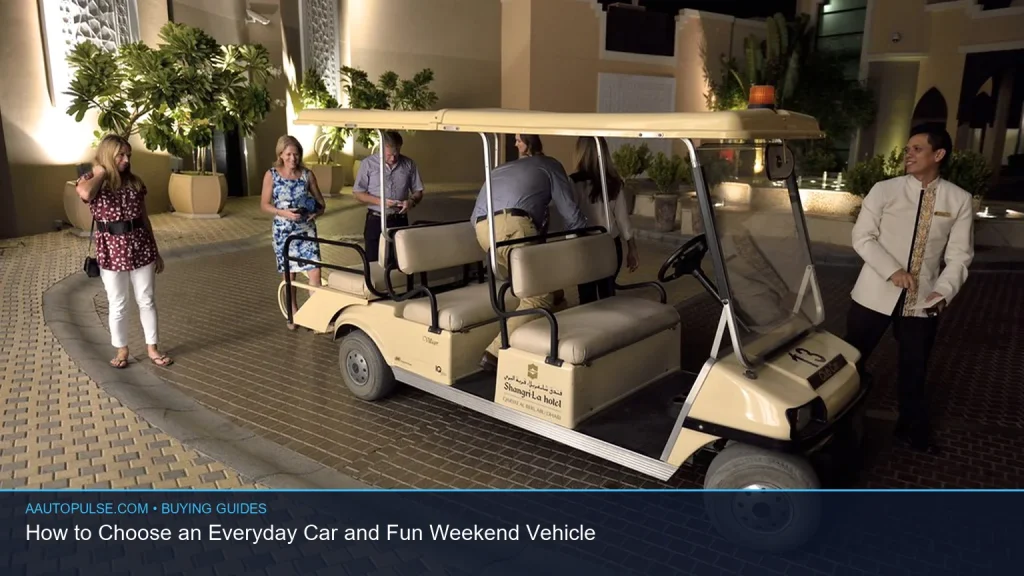
Featured image: Photo: Nick J Webb / CC BY 2.0 via flickr