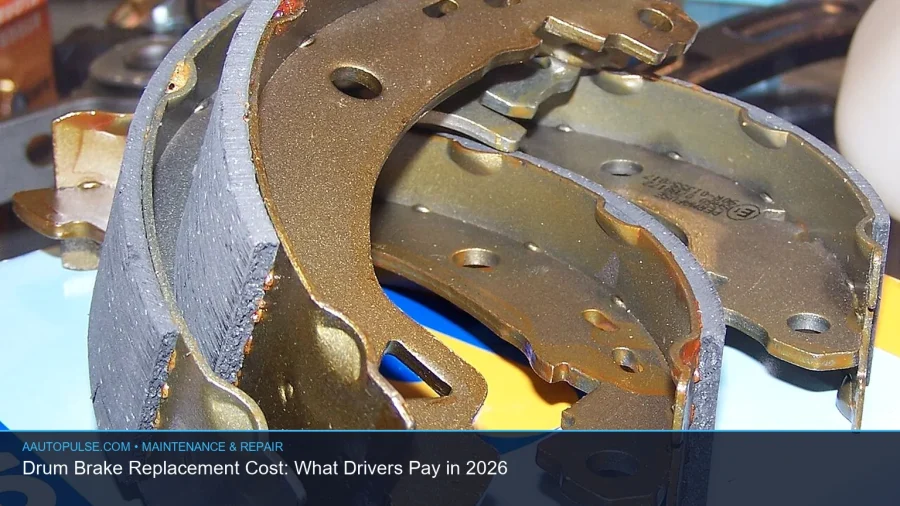
Are brake pads and rotors universal? In short: no. Brake pads and rotors are not one-size-fits-all parts. They must match your vehicle’s year, make, model, trim, and sometimes engine or brake package. The good news is that many cars use common designs, so finding the right parts is usually simple once you check fitment details. This guide explains what “universal” really means, how to confirm compatibility, and what to look for before you buy or install brake parts.
📖 Table of Contents
- What “Universal” Really Means for Brake Parts
- Why Brake Pads and Rotors Are Vehicle-Specific
- How to Check If a Brake Pad or Rotor Fits Your Vehicle
- Brake Pads vs. Rotors: What Can Be Shared and What Cannot?
- Signs Your Brakes Need Attention, Not Just a Quick Parts Swap
- Typical Brake Service Intervals and Why They Vary
- Choosing the Right Brake Parts: What Matters Most
- FAQ: Are Brake Pads and Rotors Universal?
- Conclusion: Don’t Guess on Brake Fitment
📌 Key Takeaways
- Brake pads and rotors are not truly universal; fitment depends on your exact vehicle and brake system.
- Even within the same model, pad shape, rotor diameter, thickness, and caliper design can change by trim or package.
- Always verify fit using your owner’s manual, VIN-based lookup, and brake measurements before ordering parts.
- If you notice grinding, vibration, pulling, or longer stopping distances, inspect the full brake system, not just the pads.
What “Universal” Really Means for Brake Parts
When people ask if brake pads and rotors are universal, they usually mean, “Can I use the same parts on any car?” The answer is no. Brakes are designed around a specific hub size, caliper shape, rotor thickness, and pad profile. If one of those does not match, the part will not fit or work safely.
Some parts may look similar across different vehicles. That can be confusing, especially when brands use broad fitment lists. But similarity is not the same as interchangeability. A pad that looks close may still have the wrong backing plate shape, clip style, or friction area.
Why Brake Pads and Rotors Are Vehicle-Specific

Brake systems are matched to the weight, performance, and wheel setup of each vehicle. A compact sedan, for example, usually has smaller rotors than a pickup truck or performance SUV. The brake package can also change with towing options, sport trims, or larger wheels.
That is why the same model may use different pads or rotors depending on the trim level. A base model and a higher-performance version might share the body, but not the brake hardware. For fitment, the year, make, model, engine, and brake package all matter.
Common fitment differences to watch for
- Rotor diameter: Larger brakes need larger rotors.
- Rotor thickness: Some systems use different thicknesses for venting and heat control.
- Pad shape: Even small changes in caliper design can change the pad outline.
- Caliper style: Floating and fixed calipers use different pad hardware.
- Electronic systems: Parking brake or wear sensor designs can affect part choice.
How to Check If a Brake Pad or Rotor Fits Your Vehicle
The safest way to confirm compatibility is to use your vehicle details, not just the part name. A VIN-based lookup is best because it helps narrow down the exact brake package. Your owner’s manual can also list standard brake specs and service notes.
If you are replacing parts yourself, compare the old part carefully to the new one before installation. Do not assume that “close enough” is acceptable. Brake parts must fit correctly and move freely.
Simple fitment checklist
- Check the vehicle year, make, model, trim, and engine.
- Use the VIN if possible to confirm the brake package.
- Measure rotor diameter and thickness if the old rotor is still usable for comparison.
- Match pad shape, clip style, and sensor locations.
- Confirm the new rotor clears the caliper and wheel.
- Review the owner’s manual for any brake service notes or special procedures.
Brake Pads vs. Rotors: What Can Be Shared and What Cannot?
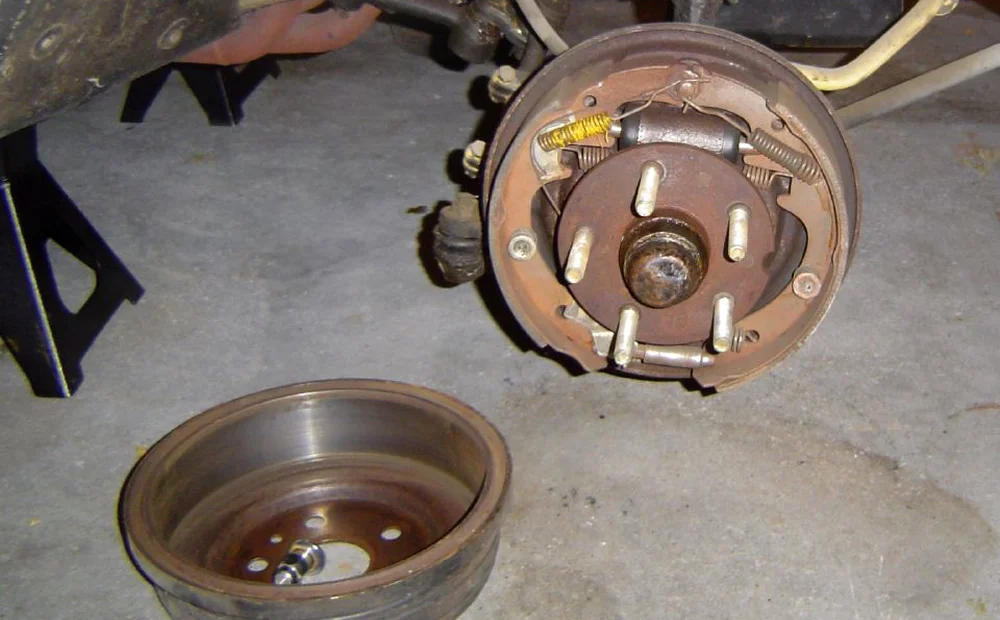
Some brake parts are made to fit a wide range of vehicles, but “wide range” is not the same as “universal.” Brake pads may fit multiple models if they use the same caliper family. Rotors can also cross over between certain vehicles if the hub size, bolt pattern, and braking surface dimensions match.
That said, pads and rotors are not always interchangeable even within the same brand or platform. A rotor might fit the hub but be too thick, too thin, or have the wrong offset. Pads might fit the caliper opening but wear unevenly or cause noise if the hardware is wrong.
| Part Type | What Must Match | Common Risk | Who Should Be Careful |
|---|---|---|---|
| Brake pads | Pad shape, thickness, hardware, wear sensor location | Noise, poor contact, uneven wear | Drivers with sport, towing, or performance brake packages |
| Rotors | Diameter, thickness, height, bolt pattern, hub bore | Vibration, caliper interference, poor heat handling | Anyone replacing rotors without checking measurements |
Signs Your Brakes Need Attention, Not Just a Quick Parts Swap
Brake wear often shows up in clear ways. If you hear squealing, grinding, or scraping, the pad material may be low or gone. If the pedal feels soft, the car pulls to one side, or the steering wheel shakes when braking, the issue may involve pads, rotors, calipers, or brake fluid.
Do not assume new pads alone will solve every brake problem. A warped or heavily worn rotor can keep causing vibration. A sticking caliper can destroy new pads fast. When in doubt, inspect the full brake system.
Common symptoms and what they may mean
| Symptom | Possible Cause | What to Do |
|---|---|---|
| Squealing | Wear indicators, glazed pads, light rotor wear | Inspect pads and rotor surface |
| Grinding | Pads worn down to backing plate | Stop driving if possible and inspect immediately |
| Vibration under braking | Rotor runout, uneven wear, hub issues | Check rotor condition and wheel hub surface |
| Pulling left or right | Sticking caliper, uneven pad wear, brake hose issue | Inspect calipers and brake hoses |
Typical Brake Service Intervals and Why They Vary
Brake life depends on driving style, traffic, vehicle weight, and road conditions. In many daily-driven cars, brake pads may last anywhere from about 30,000 to 70,000 miles, while rotors can sometimes last through one or more pad sets. That range is broad on purpose, because stop-and-go city driving wears brakes much faster than mostly highway use.
Your owner’s manual is the best source for service intervals and inspection timing. Some vehicles also have electronic wear sensors or maintenance reminders. If your driving is heavy, mountainous, or towing-focused, check the brakes more often than the default schedule.
Practical inspection timing
- Every 5,000 to 7,500 miles: Quick visual check if you already rotate tires or change oil.
- At 15,000 to 20,000 miles: Deeper pad and rotor inspection for worn or uneven surfaces.
- When symptoms appear: Inspect immediately for noise, vibration, or pulling.
Unlike engine service, brake maintenance is less about one fixed interval and more about condition. That is why a routine inspection is so valuable. Catching wear early can help prevent rotor damage and avoid larger repairs.
Choosing the Right Brake Parts: What Matters Most
If you are deciding between brake parts, start with fitment first. Then look at how you drive. City drivers may want smoother, quieter pads. Drivers who tow, haul, or travel in mountains may need parts that handle more heat.
For rotors, material and design matter too. Plain rotors are common and simple. Slotted or drilled styles can help with certain performance needs, but they are not automatically better for every driver. Always match the part to the vehicle and use case, not the marketing language.
| Choice | Strengths | Limitations | Best For |
|---|---|---|---|
| OE-style replacement | Closest fit, predictable performance, easy compatibility | May not add extra heat or performance margin | Most daily drivers |
| Performance-oriented pads/rotors | Better heat handling, stronger braking feel in some use cases | Can be noisier, dustier, or less comfortable in daily use | Towing, mountain roads, spirited driving |
| Budget replacement | Lower upfront cost | Quality and wear life can vary widely | Older vehicles or short-term ownership |
Who should choose what? Most drivers should start with OE-style parts that match the factory brake setup. If your vehicle sees heavier use, choose parts designed for higher heat and load. If you mainly want a quiet, predictable daily drive, prioritize direct-fit pads and rotors over special designs.
FAQ: Are Brake Pads and Rotors Universal?
Can I use brake pads from one car on another car?
Usually no. Brake pads must match the caliper design and pad shape for that exact vehicle or brake family. Similar size does not guarantee safe fitment.
Are rotors easier to swap between vehicles than pads?
Not really. Rotors must match diameter, thickness, bolt pattern, hub bore, and offset. A rotor that “almost fits” can cause vibration or caliper interference.
Do all trim levels of the same model use the same brakes?
No. Trim level, engine choice, wheel size, towing package, and performance package can all change brake specs. Always verify by VIN or manual, not just the model name.
Should I replace pads and rotors together?
Not always, but it is often smart if the rotors are worn, scored, warped, or below minimum thickness. New pads on damaged rotors may wear unevenly and reduce braking quality.
How can I tell if a rotor is too worn to reuse?
Check for minimum thickness, deep grooves, heat cracks, and severe rust or discoloration. If you do not have the exact spec, look it up in the owner’s manual or service data before making a decision.
Conclusion: Don’t Guess on Brake Fitment
So, are brake pads and rotors universal? No, they are vehicle-specific parts that must match the brake system exactly. The best approach is simple: confirm fit by VIN, check your owner’s manual, compare measurements, and inspect the full brake system before buying.
If your brakes are noisy, shaky, or wearing unevenly, address the cause early. That small step can save money, improve safety, and keep your vehicle stopping the way it should.