Yes, sometimes you should replace brake pads and rotors at the same time—but not always. The right choice depends on rotor wear, thickness, grooves, heat damage, and how much life is left in the rotors. If your pads are worn down and the rotors are also scored, warped, or near minimum thickness, replacing both parts together is usually the safer, smoother fix. If the rotors are still in good shape, a pad-only replacement may be enough. Here’s how to tell the difference and make the right call for your vehicle.
📖 Table of Contents
- When Should You Replace Brake Pads and Rotors Together?
- Can You Replace Brake Pads Without Replacing Rotors?
- How to Decide: A Simple Brake Inspection Checklist
- Why Replacing Both Can Save Trouble Later
- Step-by-Step: What a Proper Brake Service Should Include
- Brake Problems That May Look Like Rotor Wear but Are Not
- FAQ: Replacing Brake Pads and Rotors
- Conclusion: Choose the Repair That Matches the Wear
📌 Key Takeaways
- Replace brake pads and rotors at the same time when the rotors are worn, warped, heavily scored, or close to minimum thickness.
- Pad-only replacement can work if the rotors are smooth, within spec, and not showing heat damage or vibration issues.
- New pads work best on a clean, even rotor surface; mixing new pads with damaged rotors can cause noise, poor braking, and shorter pad life.
- Always verify wear limits, pad thickness, and service steps in your owner’s manual or factory service data.
When Should You Replace Brake Pads and Rotors Together?
The best time to replace brake pads and rotors at the same time is when both parts are worn enough that the brake system will not perform well if only one is changed. This is common on vehicles with high mileage, frequent stop-and-go driving, or delayed brake service. Rotors can also be damaged by heat, rust, or uneven pad wear even if they still look usable at first glance.
As a general rule, if the rotor surface has deep grooves, a heavy lip on the edge, blue heat spots, or a steering wheel shake when braking, it is worth a closer look. Many rotors can be resurfaced only if they remain above the minimum thickness, but some vehicles use rotors that are too thin to machine safely. Check the owner’s manual or rotor specs before deciding.
Common signs both parts may need replacement
- Squealing, scraping, or grinding during braking
- Brake pedal pulsation or vibration in the steering wheel
- Visible grooves, scoring, or cracking on the rotor face
- Brake pads worn near the backing plate
- Long stopping distances or uneven braking feel
Can You Replace Brake Pads Without Replacing Rotors?

Yes, in many cases you can replace brake pads without replacing rotors. This is often the right move when the rotors are smooth, flat, and still well above the minimum thickness spec. If the braking system was serviced on time and the vehicle has no vibration or noise issues, pad-only service can be perfectly reasonable.
That said, new pads need a good surface to mate with. If the rotor is glazed, uneven, or has hot spots from past overheating, fresh pads may wear unevenly or create noise. In those cases, even if the rotor is not technically “bad,” replacing or resurfacing it can improve the result.
When pad-only replacement usually makes sense
- The rotor thickness is safely above the minimum spec
- The rotor surface is smooth with no deep ridges
- There is no brake pulsation, shake, or grabbing
- The vehicle is not showing signs of severe heat damage
How to Decide: A Simple Brake Inspection Checklist
If you are trying to decide whether to replace brake pads and rotors at the same time, start with a quick inspection. You do not need a full teardown to spot many common warning signs. A flashlight, a basic measuring tool, and a careful look through the wheel openings can reveal a lot.
For a more exact answer, measure pad thickness and rotor thickness. Many brake pads should be replaced when friction material gets down to about 3 mm or less, though some vehicles may have different service limits. Rotors must be compared against the minimum thickness stamped on the rotor or listed in service data. Always verify the numbers for your exact vehicle.
| What you see or feel | Likely meaning | Best next step |
|---|---|---|
| Smooth braking, no noise, no vibration | Rotors may still be in usable shape | Pad-only replacement may be fine if thickness checks out |
| Steering wheel shake when braking | Rotor runout or thickness variation | Inspect rotors closely; replace or resurface if allowed |
| Deep grooves or heavy lip on rotor edge | Rotor wear is advanced | Replace pads and rotors together |
| Grinding sound | Pads may be worn through to metal | Replace both and inspect for added damage |
Why Replacing Both Can Save Trouble Later
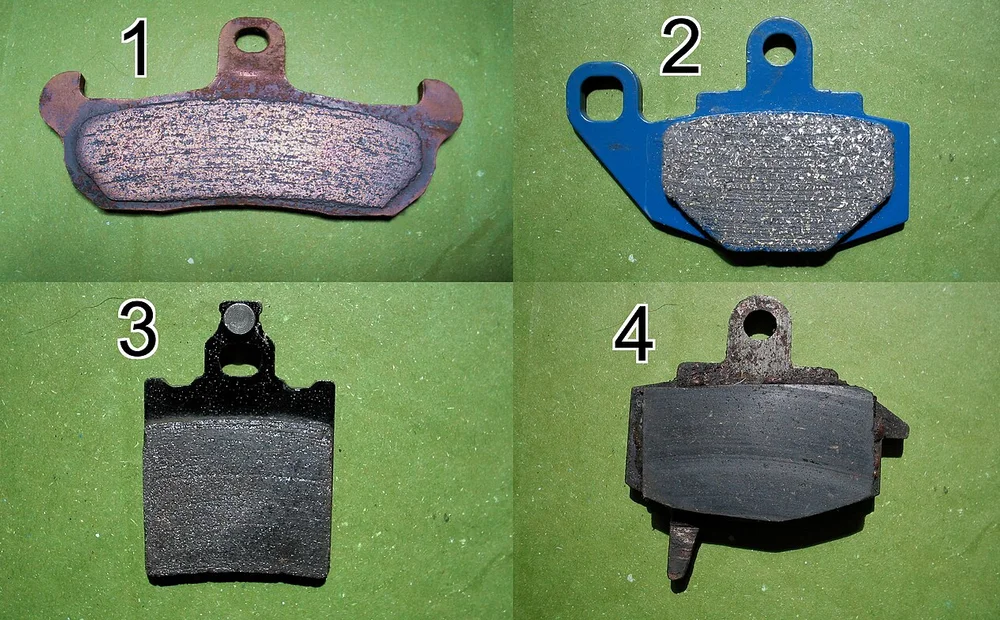
New pads on old rotors can work, but the match is not always ideal. If the rotor face is uneven, the pad material may not contact the rotor evenly. That can lead to noise, vibration, or shortened pad life. In some cases, the brake pedal may feel normal at first and then get worse as the pads wear in against a rough surface.
Replacing both parts together can also save labor if the brakes are already apart. Many repair shops and experienced DIYers choose this route when the rotors are already close to the wear limit or when the vehicle has had repeated brake complaints. It is often the cleaner long-term fix, especially if you plan to keep the vehicle for several more years.
Strengths and limitations of each approach
| Option | Strengths | Limitations | Who should choose it |
|---|---|---|---|
| Pad-only replacement | Lower parts cost, faster job, works when rotors are healthy | May keep noise or vibration if rotors are not in good shape | Drivers with smooth, thick, damage-free rotors |
| Pads and rotors together | Best chance of even braking, less noise, better pad break-in | More parts cost | Drivers with wear, vibration, scoring, or heat damage |
Clear verdict: If the rotors are borderline, damaged, or causing symptoms, choose both. If they are still smooth and within spec, pad-only service can be fine. When in doubt, the safer choice is usually to replace brake pads and rotors at the same time on the affected axle.
Step-by-Step: What a Proper Brake Service Should Include
A good brake job is more than swapping parts. The caliper slides, guide pins, mounting hardware, and pad contact points all need attention. If these pieces are dirty or sticking, new pads and rotors may still wear unevenly.
Here is a practical service sequence many technicians follow. Exact steps can vary by vehicle, so use the factory procedure when available.
- Lift the vehicle safely and remove the wheel.
- Inspect pad thickness, rotor surface, and caliper movement.
- Measure rotor thickness and compare it with the minimum spec.
- Check caliper slide pins for smooth motion and proper lubrication.
- Replace pads and rotors if needed, or resurface rotors only if allowed and still above spec.
- Clean contact points and install new hardware if required.
- Compress the caliper piston carefully and reassemble.
- Torque wheel lug nuts to the vehicle’s specified value.
- Test brake pedal feel before driving.
- Perform a short break-in, or bedding, procedure if recommended by the pad maker or service manual.
Be cautious when pushing the caliper piston back in. On some vehicles, especially those with electronic parking brakes or integrated rear brake mechanisms, special service mode steps may be required. Forcing the piston back incorrectly can damage parts or trigger warning lights.
Brake Problems That May Look Like Rotor Wear but Are Not
Not every brake vibration means the rotors are bad. A sticking caliper, uneven tire wear, worn suspension parts, or loose wheel bearings can create similar symptoms. That is why a full check matters before deciding to replace brake pads and rotors at the same time.
If the brake pedal pulses only at highway speeds, the issue may involve wheel or tire balance rather than the brakes. If the vehicle pulls to one side, the problem could be in a caliper or hydraulic line. If the noise continues even when not braking, it may not be a brake rotor issue at all.
Troubleshooting clues
- Brake shake only while stopping: rotor thickness variation or runout is likely
- Pulling to one side: caliper or hydraulic issue may be involved
- Constant grinding: pad wear may be severe enough to damage rotors
- Soft pedal: air in the brake system or fluid issue may be the cause
FAQ: Replacing Brake Pads and Rotors
How long do brake pads and rotors usually last?
Brake pad life often falls somewhere around 30,000 to 70,000 miles, while rotors can last longer or wear out sooner depending on driving style, terrain, and vehicle weight. Heavy city driving, towing, and mountain use can shorten both. Always check your owner’s manual and inspect brakes regularly instead of relying on mileage alone.
Do I have to replace rotors with every pad change?
No. If the rotors are smooth, thick enough, and not causing vibration or noise, they may be reused. The key is condition, not just age. The rotor must still meet minimum thickness and surface quality standards.
Can I replace just one rotor?
Usually rotors are replaced in pairs on the same axle so braking stays balanced. Replacing only one rotor can create uneven brake response if the other side is worn differently. If one rotor is bad, inspect both sides carefully and follow the vehicle manufacturer’s guidance.
What happens if I put new pads on bad rotors?
You may get noise, vibration, poor pad seating, and shorter pad life. In severe cases, the brakes may not feel smooth or predictable. That is why many mechanics recommend changing both parts together when rotor condition is questionable.
Should I resurface or replace rotors?
Resurfacing can work only if the rotor still has enough thickness and the vehicle design allows machining. Many modern rotors are thin and intended to be replaced, not cut. Check the service data for the exact minimum thickness before choosing.
Conclusion: Choose the Repair That Matches the Wear
So, should you replace brake pads and rotors together? If the rotors are worn, damaged, or causing symptoms, yes. If they are still smooth and within spec, pad-only replacement may be enough. The smartest choice comes from a real inspection, not guesswork.
Before you buy parts or schedule a repair, check pad thickness, rotor thickness, and your owner’s manual. If the braking system shows vibration, noise, or heavy wear, replacing both parts at the same time is often the safest and most reliable solution.