If you’re wondering how long does it take to change brake pads, the short answer is usually about 1 to 2 hours per axle for a typical car when the job goes smoothly. That said, the real time can range from under an hour to several hours depending on rust, vehicle design, tools, and whether the rotors also need work. In this guide, you’ll see what affects the timeline, what the job includes, when brake pads should be replaced, and how to tell if your brake issue is simple or more serious.
📖 Table of Contents
- What the brake pad job usually includes
- How long does it take to change brake pads on different vehicles?
- What makes brake pad replacement faster or slower?
- How often should I change my brakes?
- Step-by-step: how a brake pad replacement is usually done
- Troubleshooting table: when a brake pad change may take longer
- DIY versus shop: what should you choose?
- FAQ
- Conclusion
📌 Key Takeaways
- Most brake pad replacements take 1 to 2 hours per axle, but rust, seized hardware, and vehicle layout can add time.
- If you ask how long does it take to change brake pads, the biggest variable is often what else must be serviced, such as rotors, calipers, or slide pins.
- Brake pads should be replaced based on wear symptoms and inspection, not only mileage; many drivers should inspect them around every 10,000 to 15,000 miles.
- If braking feels soft, noisy, or uneven, do not wait for a full pad change cycle—brake safety issues can get worse fast.
What the brake pad job usually includes
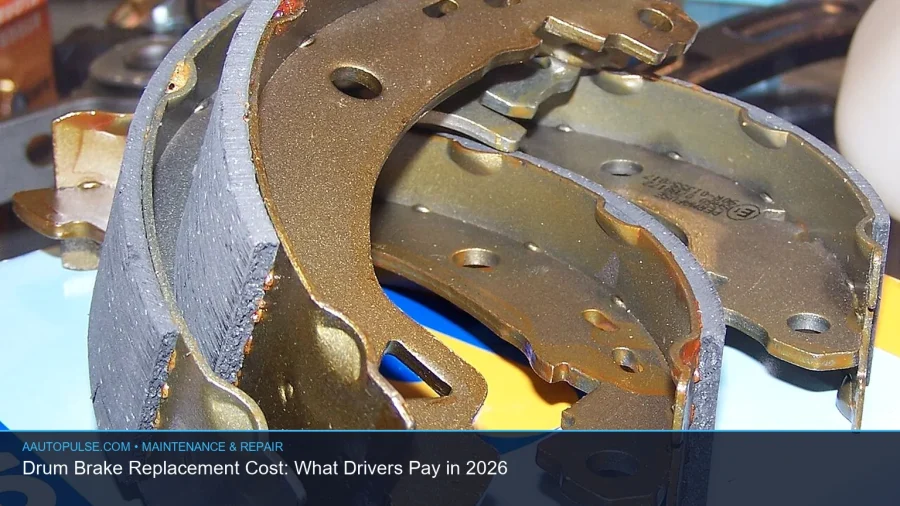
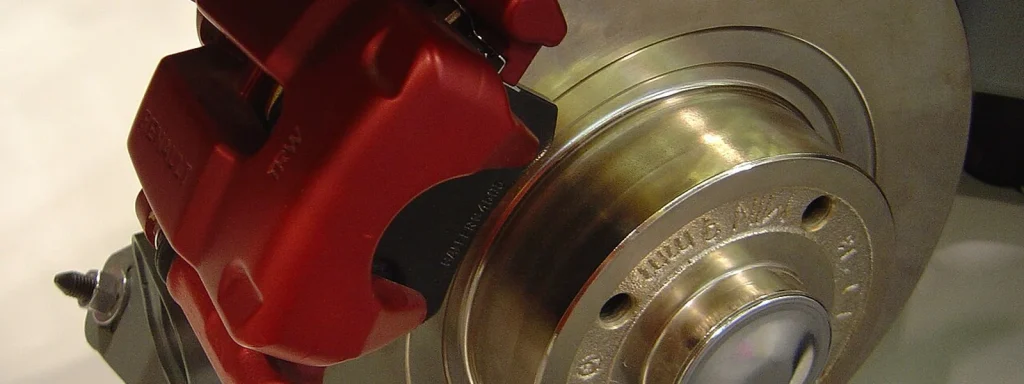
Changing brake pads is more than swapping out one part. A proper job usually includes removing the wheel, taking off the caliper, replacing the pads, cleaning and lubricating contact points, and then reassembling everything carefully. Many technicians also inspect the rotor surface, brake fluid level, caliper slides, and brake hoses while they are in there.
That is why the answer to how long does it take to change brake pads depends on the condition of the whole brake system, not just the pads themselves. If the rotor is scored, the slide pins are sticky, or the hardware is rusted, the time can increase quickly.
Typical time ranges
- Simple front or rear pad swap: about 30 to 60 minutes for one axle on an easy vehicle
- Average DIY job: about 1.5 to 3 hours per axle
- Professional repair with complications: 2 to 4+ hours if rust or extra parts are involved
How long does it take to change brake pads on different vehicles?

Vehicle design matters a lot. Some compact cars are straightforward, while some SUVs, trucks, and performance models take longer because of heavier components, tighter packaging, or electronic parking brake systems. Rear brake jobs can also take longer on certain vehicles because the parking brake is built into the caliper or requires a service mode.
As a rule, front pads are often changed faster than rear pads, but that is not always true. The safest approach is to check your owner’s manual and, if needed, the service procedure for your exact trim and brake setup.
| Vehicle / Situation | Typical Time | Why It Changes |
|---|---|---|
| Small sedan, clean hardware | 30 to 90 minutes per axle | Simple layout, easy access |
| SUV or pickup | 1 to 2.5 hours per axle | Heavier parts, larger calipers |
| Rust belt vehicle | 2 to 4+ hours per axle | Corrosion, seized bolts, stuck clips |
| Electronic parking brake | 1.5 to 3+ hours per axle | Requires service mode and extra steps |
What makes brake pad replacement faster or slower?
Several common factors change the job time. Knowing them helps you decide whether this is a quick driveway repair or a task best left to a shop.
1. Rust and corrosion
In many US regions, road salt and moisture can make brake parts rust together. If the caliper bolts, rotor hat, or slide pins are stuck, the repair slows down right away. This is one of the most common reasons a “simple” brake job becomes a longer job.
2. Rotor condition
Brake pads do not always work alone. If the rotors are worn below spec, deeply grooved, or warped, they may need resurfacing or replacement. That adds time because the technician must measure thickness and inspect the braking surface carefully.
3. Brake hardware
Many brake jobs should include new clips, shims, and pad hardware where required. When hardware is bent, corroded, or missing, the technician may need more time to clean and restore the bracket before reassembly.
4. Brake caliper or slide pin issues
If the caliper piston does not compress easily or the slide pins do not move freely, the pads can wear unevenly. In that case, the job may shift from a pad replacement to a brake repair, which takes longer and should be handled with care.
5. Electronic parking brake systems
Some modern cars need the rear brakes put into service mode before the caliper can be removed. This can add steps and requires the correct procedure. Never force the caliper back without confirming the system requirements for your vehicle.
How often should I change my brakes?

The better question is often, how often should i change my brakes based on wear rather than a strict calendar. Brake pad life varies widely depending on driving habits, vehicle weight, terrain, and stop-and-go traffic. A driver in a hilly city may wear pads much faster than someone who mostly drives on the highway.
As a rough guide, many pads can last anywhere from 25,000 to 70,000 miles, but that range is only a general estimate. Some need replacement earlier, and some last longer. Always verify the service interval and wear limits in your owner’s manual, and check pads during regular tire rotations or brake inspections.
Common warning signs it is time to replace pads
- Squealing or screeching when braking
- Grinding noise, which may mean metal is contacting metal
- Longer stopping distance
- Brake pedal pulse or vibration
- Vehicle pulling to one side during braking
- Brake warning light on the dash
- Visible pad thickness near or below about 3 mm, if you can inspect safely
Step-by-step: how a brake pad replacement is usually done
If you are trying to estimate time, it helps to understand the order of the work. The process below is a general outline, not a substitute for the correct service manual procedure for your vehicle.
- Confirm the brake issue. Inspect pad thickness, rotor condition, and any warning lights or noises.
- Secure the vehicle. Park on a flat surface, chock the wheels, and lift the vehicle with proper support.
- Remove the wheel. This gives access to the brake assembly.
- Remove the caliper and bracket as needed. Support the caliper so the hose is not stretched.
- Replace the pads and service the hardware. Clean contact points and use brake-safe lubricant where appropriate.
- Check the rotor and caliper movement. Replace or service parts if wear is outside spec.
- Reassemble and torque correctly. Tighten all fasteners to factory specification.
- Pump the brake pedal. Restore pedal feel before moving the car.
- Test drive carefully. Confirm braking feel, noise level, and straight-line stopping.
Cautions to keep in mind
- Do not let the caliper hang by the brake hose.
- Do not ignore uneven pad wear.
- Do not compress a brake piston without checking the correct method first.
- Do not drive if the pedal feels spongy or the brakes scrape badly.
Troubleshooting table: when a brake pad change may take longer
If you are deciding whether to DIY or schedule a shop visit, this table can help you judge the likely complexity. It also shows when extra time may be a warning sign that more than pads are involved.
| Symptom or Finding | Likely Cause | Impact on Time | What to Do |
|---|---|---|---|
| Stuck caliper bolt | Rust or seized threads | Adds significant time | Use proper tools and inspect for damage |
| Uneven pad wear | Slide pin or caliper issue | Moderate to high | Service the caliper before finishing the job |
| Grooved rotor | Rotor wear | Moderate | Measure thickness and replace if needed |
| Soft brake pedal after install | Air or hydraulic issue | High | Do not drive until inspected |
DIY versus shop: what should you choose?
The right choice depends on your tools, comfort level, and the condition of the brakes. A clean, straightforward pad swap can be a reasonable DIY job for someone with jack stands, basic hand tools, and a service manual. But if the vehicle has electronic parking brakes, heavy rust, or a brake warning light, a professional inspection may save time and reduce risk.
Who should choose DIY: owners with basic mechanical experience, a known simple setup, and no signs of extra brake damage. Who should choose a shop: drivers dealing with rust, unusual noises, uneven wear, caliper trouble, or uncertain brake-system behavior. If the brakes are your only safety margin, accuracy matters more than speed.
FAQ
How long does it take to change brake pads on all four wheels?
For many vehicles, replacing all four wheels can take about 2 to 4 hours in a shop if everything is straightforward. In a driveway, it can take much longer, especially if one side has rust or the rear brakes require special steps. Always plan extra time for inspection and test driving.
Can I drive with worn brake pads for a little while?
Only if wear is mild and you have verified there is still safe pad material left. If you hear grinding, feel vibration, or see a brake warning light, do not wait. Brake problems can go from manageable to expensive very quickly.
Do brake pads and rotors have to be replaced at the same time?
Not always. If the rotors are still within thickness spec and the surface is in good shape, pads alone may be enough. If the rotors are warped, thin, or badly grooved, replacing them at the same time is often the better choice.
Why do rear brake pad jobs sometimes take longer than front jobs?
Rear brakes can involve the parking brake mechanism, tighter packaging, or extra steps for the caliper piston. Some vehicles require a service mode or special reset procedure. That can add time even when the pad swap itself looks simple.
How can I tell if my brakes need inspection soon?
Watch for squealing, grinding, pulling, pedal vibration, or a change in stopping distance. A good habit is to have brakes checked during tire rotations or every 10,000 to 15,000 miles, especially if you drive in traffic, mountains, or wet climates. Use your owner’s manual as the final guide.
Conclusion
So, how long does it take to change brake pads? For most cars, expect about 1 to 2 hours per axle, but rust, rotor wear, and brake system design can add time. If you notice noise, vibration, or poor braking, do not focus only on speed—focus on safety and a full inspection.
Check your owner’s manual, inspect the brakes regularly, and replace pads before damage spreads to other parts. If the job looks complicated or the brakes show warning signs, schedule a professional diagnosis before driving any farther.