Hybrid electric vehicle pros and cons matter when you’re weighing fuel savings, driving style, and charging habits. This article summarizes the practical benefits and trade-offs of hybrids, explains key hybrid types, and gives clear steps to decide whether one fits your needs. By the end, you’ll know the main strengths, common limitations, and which buyer profiles are best suited to each hybrid type.
📖 Table of Contents
- How hybrid vehicles work (quick overview)
- Hybrid electric vehicle pros and cons
- Types of hybrids and a concise comparison
- Common real-world benefits and limitations
- How to decide if a hybrid is right for you
- Selection criteria, strengths, limitations, and who should choose what
- Troubleshooting and long-term ownership considerations
- FAQ
📌 Key Takeaways
- Hybrids blend a gasoline engine with electric drive to reduce fuel use and lower emissions in many driving situations.
- Pros include improved city fuel economy and smoother stop-and-go driving; cons include higher upfront cost and added system complexity.
- Plug-in hybrids offer more electric-only miles but need regular charging; traditional hybrids require no plug but offer smaller electric assistance.
- Decide based on daily driving distance, access to charging, and priorities like fuel savings, simplicity, or all-electric driving capability.
How hybrid vehicles work (quick overview)
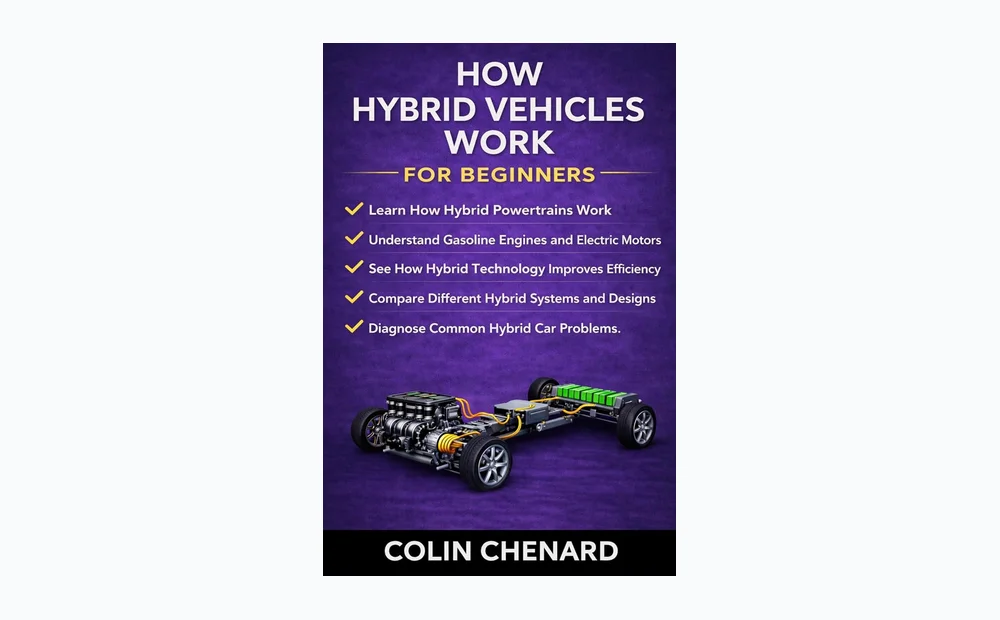
Most hybrids pair an internal combustion engine with one or more electric motors and a battery pack. The system switches or blends power sources depending on speed and load. Regenerative braking captures energy that would otherwise be lost and stores it in the battery.
Different hybrid designs manage the engine and motor in different ways, which changes how much fuel the vehicle saves and how it must be used or charged.
Hybrid electric vehicle pros and cons

Pros
- Better fuel economy in city and stop-and-go driving where electric assist reduces engine use.
- Smoother, quieter low-speed operation thanks to electric motor assistance.
- Lower tailpipe emissions during electric-assisted operation.
- No major behavior change for non-plug-in hybrids—no daily charging required.
Cons
- Higher purchase price than comparable conventional models due to extra components.
- Added mechanical and electrical complexity can raise repair costs over time.
- Some hybrids carry a small fuel or electric trade-off: weight and space taken by batteries can reduce cargo room.
- Real-world fuel savings depend on driving patterns—highway driving may show smaller gains.
Types of hybrids and a concise comparison
Understanding the main hybrid types helps match strengths to your needs. Below is a short table comparing common formats.
| Type | How it works | Typical benefit | Typical downside |
|---|---|---|---|
| Full hybrid (HEV) | Uses electric motor and engine; cannot be charged from a plug. | Better city fuel economy with no charging required. | Limited electric-only range. |
| Plug-in hybrid (PHEV) | Has larger battery and can be charged from mains for electric-only miles. | Short all-electric trips possible; reduced fuel use when charged regularly. | Requires plug access for full benefit; higher cost and added weight. |
| Mild hybrid | Small motor assists engine; cannot drive on electric power alone. | Lower cost and small efficiency gains with less complexity. | Smaller fuel savings compared with full or plug-in hybrids. |
Common real-world benefits and limitations
Benefits you’ll notice day to day include quieter starts, smoother transitions at low speed, and better mileage in urban driving. Many drivers also appreciate reduced idling fuel use in traffic.
Limitations show up when your driving doesn’t match the hybrid’s strengths. Long highway commutes often see smaller relative fuel savings. For PHEVs, benefits drop if you rarely plug in.
How to decide if a hybrid is right for you
Use the steps below to make a clear decision based on your routine and priorities.
- Estimate daily driving distance and typical routes (city vs highway).
- Check access to charging at home or work if considering a plug-in hybrid.
- Decide whether lower fuel use or lower ownership complexity matters more.
- Factor in resale and long-term ownership—hybrids can hold value differently depending on market demand and battery condition.
- Test drive hybrids of different types to feel differences in acceleration and regenerative braking.
Cautions: Avoid assuming every hybrid will save money for you. Savings depend on fuel prices, driving patterns, and whether a PHEV is charged regularly.
Selection criteria, strengths, limitations, and who should choose what
When comparing options, weigh these selection criteria: daily miles, charging access, priority between fuel savings and simplicity, cargo needs, and willingness to manage charging habits.
- Strengths: Improved city economy, reduced emissions during electric assist, quieter low-speed driving.
- Limitations: Higher purchase cost, more complex systems, variable savings depending on use.
Who should choose what:
- Choose a PHEV if you have short daily commutes, ready access to charging, and want some all-electric driving without range anxiety.
- Choose a full hybrid (HEV) if you want better city fuel economy without the hassle of plugging in.
- Choose a mild hybrid if you want a small efficiency boost with lower cost and simpler maintenance.
Troubleshooting and long-term ownership considerations
Here are common owner concerns and simple troubleshooting steps.
| Issue | Possible cause | Action |
|---|---|---|
| Worse than expected fuel economy | Mostly highway driving or infrequent charging (for PHEV) | Review driving patterns; consider a different model if most miles are highway. |
| Battery warning lights or reduced electric assist | Electrical system fault or battery health issue | Have a qualified technician inspect the hybrid system; avoid DIY on high-voltage components. |
| Charging problems (PHEV) | Faulty cable, outlet, or car charging port | Try a different outlet and cable; consult dealer or electrician if issue persists. |
Long-term notes: Hybrid batteries age and may reduce electric assistance after many years. Follow manufacturer maintenance guidance and keep service records. When verification of long-term performance or battery longevity is needed, consult recent studies or manufacturer disclosures.
FAQ
- Do hybrids need special maintenance? Hybrids follow many of the same maintenance routines as conventional cars. They also have high-voltage systems, so repairs on those components should be done by trained technicians.
- Will a hybrid save money for my commute? It depends on commute length and type. Hybrids typically save more in city driving. Plug-in hybrids save more when you charge them regularly and drive short daily distances.
- Are hybrid batteries reliable? Batteries are designed for long service lives, but capacity can decline over many years. Check manufacturer warranties and available inspection data when buying used.
- Can a hybrid be driven like a regular car? Yes. Full hybrids operate without plugging in and require little change in driving habits. Plug-in hybrids need periodic charging for maximum benefit.
Conclusion — practical next step
Decide by matching daily habits to hybrid strengths: list your typical miles, check charging access, and test-drive an HEV and a PHEV. If you want help comparing specific models available near you, gather a short list and consult local dealers or trusted review sources for current, verified details.