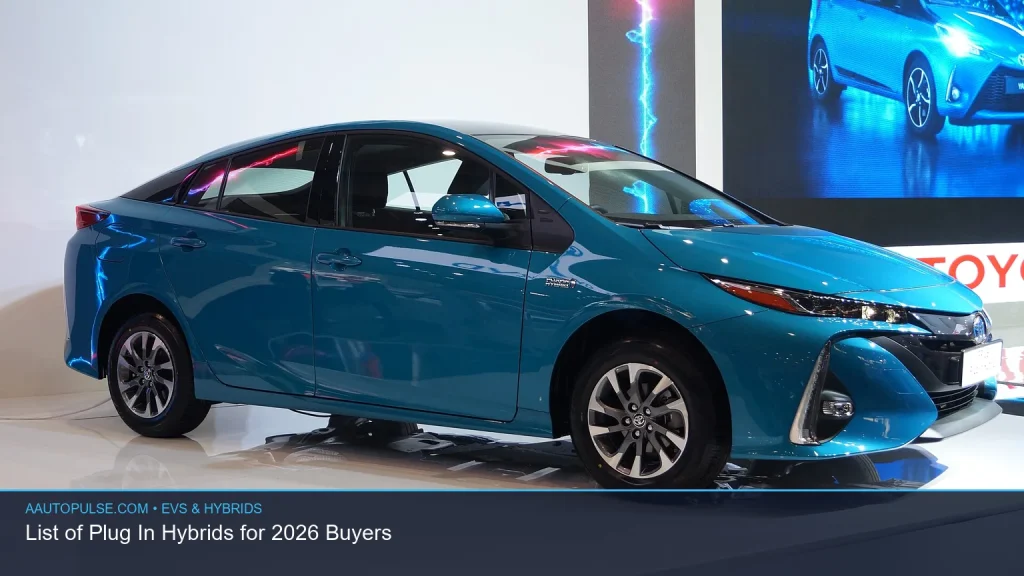
If you’re searching for a list of plug in hybrids for 2026 buyers, the smartest place to start is with your daily driving needs. Plug-in hybrids can be a great fit if you want electric-only commuting for short trips, but still need gasoline range for road trips and bad weather. This guide explains what to look for, how to compare options, and which type of driver each kind of plug-in hybrid suits best. Because 2026 model-line details can still change, use this as a buying framework and verify final specs with the automaker before you shop.
📖 Table of Contents
- What a plug-in hybrid is, and why it may fit 2026 buyers
- How to build your list of plug in hybrids
- Comparison table: what buyers should compare
- Who should choose a plug-in hybrid?
- Strengths and limitations of plug-in hybrids
- How to compare 2026 plug-in hybrids the smart way
- What to watch for before you buy
- FAQ: plug-in hybrids for 2026 buyers
- Conclusion: the best plug-in hybrid is the one that matches your routine
📌 Key Takeaways
- Plug-in hybrids are best for buyers who want electric commuting with gas backup for longer trips.
- When building a list of plug in hybrids, focus first on electric range, charging speed, cargo space, and total system efficiency.
- Not every PHEV is built for the same use case. Some favor family space, while others favor efficiency or performance.
- Always verify 2026 trim details, EPA estimates, warranty coverage, and safety ratings before you buy.
What a plug-in hybrid is, and why it may fit 2026 buyers
A plug-in hybrid electric vehicle, or PHEV, pairs an electric motor and battery with a gasoline engine. You plug it in at home or at a public charger, then drive on battery power for shorter trips. When the battery runs low, the gas engine takes over, so you do not have to plan every trip around charging.
That makes a PHEV appealing for many U.S. buyers who want to reduce fuel use without giving up flexibility. It can also be a good bridge for shoppers who are not ready for a full EV because they travel often, live with limited charging access, or want more freedom on long drives.
How to build your list of plug in hybrids
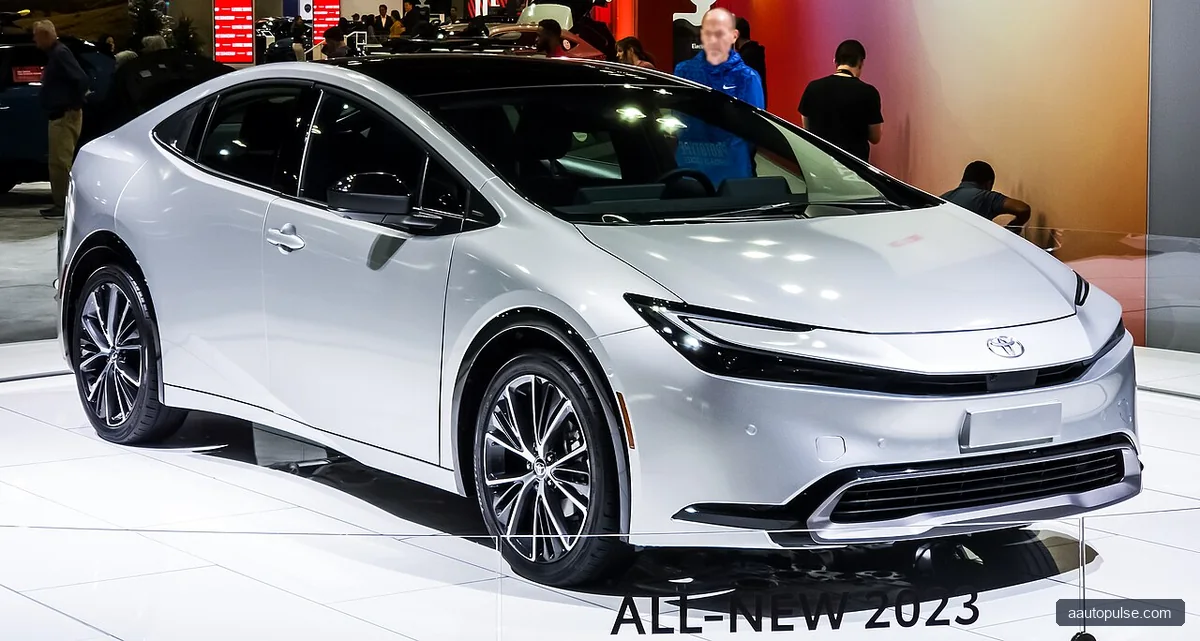
Instead of chasing a long model list, narrow your search by use case. A plug-in hybrid that works well for a commuter may not be the best choice for a family or a road-tripper.
Start with your daily driving pattern
If you drive 20 to 40 miles per day, a PHEV with decent electric range may cover most of your routine on electricity alone. If you regularly drive farther, you’ll want a model with strong hybrid efficiency after the battery is depleted.
Check charging access first
A plug-in hybrid is most useful if you can charge it regularly. Home charging is easiest, but many buyers also use workplace charging or public Level 2 stations. If charging is inconsistent, your fuel savings may be smaller.
Balance range, utility, and comfort
Some PHEVs offer more EV range but less cargo space because of the battery. Others keep a practical cabin and focus on smooth everyday driving. Think about passengers, groceries, road trips, and winter weather before you compare trims.
Comparison table: what buyers should compare
Because final 2026 product details were not supplied, this table focuses on the most useful comparison criteria rather than model claims. Use it to rank any plug-in hybrid you are considering.
| Comparison factor | Why it matters | Best for |
|---|---|---|
| Electric-only range | Determines how many daily trips you can do without gas | Short commuters and city drivers |
| Charging speed | Impacts how quickly the battery can be replenished | Drivers who charge often |
| Cargo room | Battery packaging can affect storage space | Families, travelers, and active buyers |
| Gas mileage when depleted | Important for long trips after battery use | Frequent road-trippers |
| Warranty coverage | Protects the battery and powertrain over time | Long-term owners |
Who should choose a plug-in hybrid?
Plug-in hybrids are not the right fit for every buyer, but they solve a very specific problem well. They work best when daily driving is relatively predictable and charging access is realistic.
| Buyer profile | Good PHEV fit? | Why |
|---|---|---|
| Daily commuter with home charging | Yes | Can use electric power for most weekday driving |
| Family driver needing one vehicle for everything | Often yes | Offers flexibility for school runs and road trips |
| Apartment resident with no easy charging | Maybe | Still useful, but value drops without regular charging |
| Frequent long-distance traveler | Yes, if range matters | Gas backup reduces range anxiety and planning |
Who should choose what? If you can charge at home and drive modest daily miles, choose a PHEV with strong electric range and efficient gas operation. If you need maximum cargo space, compare cabin layout closely. If you want the simplest ownership experience and cannot charge often, a regular hybrid may be the better match.
Strengths and limitations of plug-in hybrids
Every PHEV comes with tradeoffs. Knowing them early helps you avoid disappointment after purchase.
Strengths
- Can reduce fuel use on short daily trips.
- Works like a normal gas vehicle when the battery is low.
- May offer quieter, smoother driving in electric mode.
- Can be a practical stepping stone toward full EV ownership.
Limitations
- Needs regular charging to deliver the best value.
- Battery packaging can reduce cargo or passenger space.
- Real-world efficiency depends heavily on driving habits.
- Some models may cost more than similar gas or hybrid versions.
For 2026 buyers, the key question is not whether a PHEV is “good” in general. It is whether it fits your commute, your home charging setup, and your long-trip habits.
How to compare 2026 plug-in hybrids the smart way
If you are building a shopping shortlist, use a simple decision process. This keeps you focused on usefulness, not just brand names or advertising.
- Measure your typical weekday distance. This tells you whether electric range matters a little or a lot.
- Check where you can charge. Home, work, and public charging all change the ownership experience.
- Look at cargo and seating needs. A battery can affect trunk shape, rear seat space, and fold-flat utility.
- Review fuel economy after depletion. This matters for road trips and high-mileage weeks.
- Confirm warranty and safety information. For safety, look for current NHTSA star ratings and IIHS crashworthiness categories when available.
- Verify final 2026 specs. Model updates can change trims, battery size, and standard equipment.
What to watch for before you buy
There are a few common mistakes PHEV shoppers make. The first is overestimating how often they will charge. The second is choosing a model for its electric range alone while ignoring space, ride comfort, or winter performance.
Also watch for charging differences. Some PHEVs are limited by onboard charger speed, which means home charging may be plenty for daily use, but public charging gains may be modest. If possible, compare the charging setup alongside the EPA range estimate and the post-battery fuel economy.
FAQ: plug-in hybrids for 2026 buyers
How long does a plug-in hybrid battery last?
Battery life varies by model, climate, charging habits, and mileage. Most automakers include battery warranty coverage, but you should verify exact terms in the owner’s manual or warranty booklet before purchase.
Do plug-in hybrids need oil changes?
Yes. Even if you drive mostly on electricity, the gasoline engine still needs maintenance. Oil change intervals vary, so follow the vehicle’s maintenance schedule rather than assuming a one-size-fits-all interval.
Is a plug-in hybrid cheaper to run than a regular hybrid?
It can be, if you charge regularly and drive many short trips. If you rarely plug in, the savings may be much smaller, and a conventional hybrid may be more practical.
Should I buy a PHEV if I cannot charge at home?
Maybe, but only after careful math. Without reliable charging, a plug-in hybrid may spend much of its time operating like a heavier hybrid. In that case, a standard hybrid may be the better value.
What safety ratings should I look for?
Look for current NHTSA 5-star results and IIHS crashworthiness results when available. These ratings help you compare models on a standard basis, but you should still review the exact trim and equipment level you plan to buy.
Conclusion: the best plug-in hybrid is the one that matches your routine
The most useful list of plug in hybrids is not a name-by-name inventory. It is a shopping filter that helps you find the right balance of electric range, charging ease, cargo space, and gas backup. For 2026 buyers, the best move is to compare real daily use against current manufacturer specs, safety ratings, and warranty details.
Start with your commute, confirm your charging access, then shortlist models that fit your space and road-trip needs. If you do that, you’ll be much more likely to choose a plug-in hybrid you’ll enjoy living with every day.
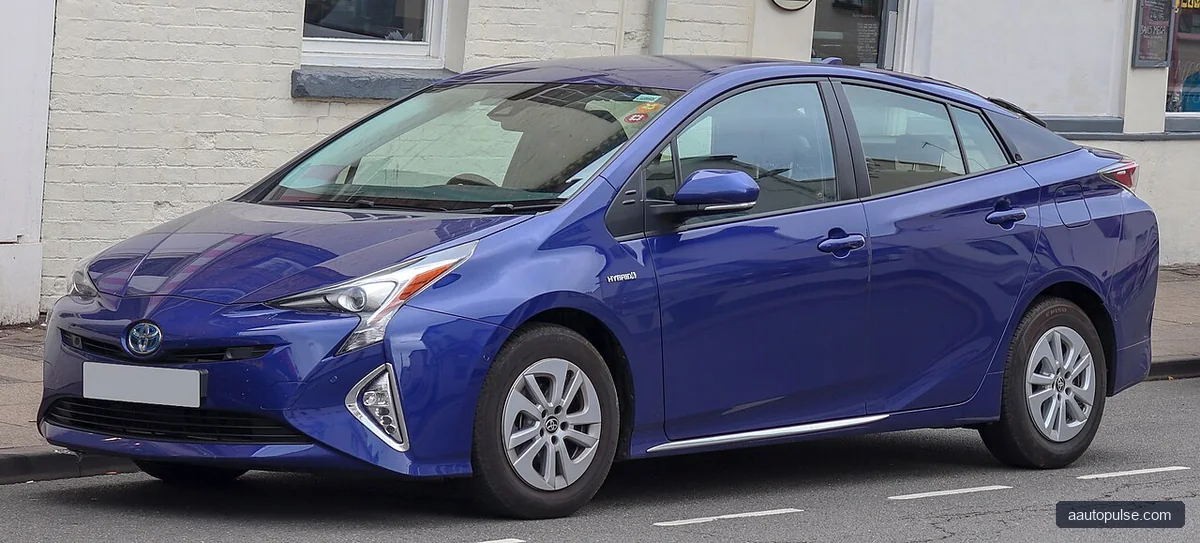
Featured image: Photo: Jakub “flyz1” Maciejewski / CC BY-SA 3.0 via Wikimedia Commons