If you’re researching a low speed electric vehicle, you’re probably trying to figure out what it is, where it can be driven, and whether it fits your daily needs. The short answer: these small EVs can be a smart choice for short trips, campus use, gated communities, farms, resorts, and local errands. But they are not the same as full-size cars, and the rules can vary by state and city. This guide explains the basics, key types, safety limits, and how to choose the right one for your use case.
📖 Table of Contents
- What a Low Speed Electric Vehicle Is
- How Low Speed Electric Vehicles Are Used in the U.S.
- Key Rules, Limits, and Legal Checks Before You Buy
- Low Speed Electric Vehicle Types: Which One Fits Your Use
- How to Compare Models Before You Buy
- Ownership Costs, Charging, and Maintenance Basics
- How to Decide: Practical Buyer Checklist
- FAQ
- Conclusion
📌 Key Takeaways
- A low speed electric vehicle is best for short, local trips, not highway driving.
- Rules for street use, registration, and licensing depend on your state and local roads.
- Neighborhood electric vehicles and electric utility vehicles solve different problems, so match the vehicle to the job.
- Before buying, check speed limits, cargo needs, passenger capacity, charging access, and safety equipment.
What a Low Speed Electric Vehicle Is
A low speed electric vehicle is a battery-powered vehicle designed for short-distance travel at lower speeds. In the U.S., many buyers encounter the term neighborhood electric vehicle, which is often used for road-legal low-speed transportation in limited areas. These vehicles are not built to replace a full passenger car, and they are usually meant for roads with lower posted speed limits.
Most shoppers are drawn to them for convenience, low operating cost, and quiet driving. They can make sense for retirement communities, college campuses, industrial sites, planned neighborhoods, and other places where full-size traffic is not needed.
It helps to think of them as tools for a specific job. If you only need to move people or light cargo over short routes, a low speed electric vehicle can be practical. If you need highway travel, long range, or crash performance like a normal car, you should look at a standard EV instead.
How Low Speed Electric Vehicles Are Used in the U.S.
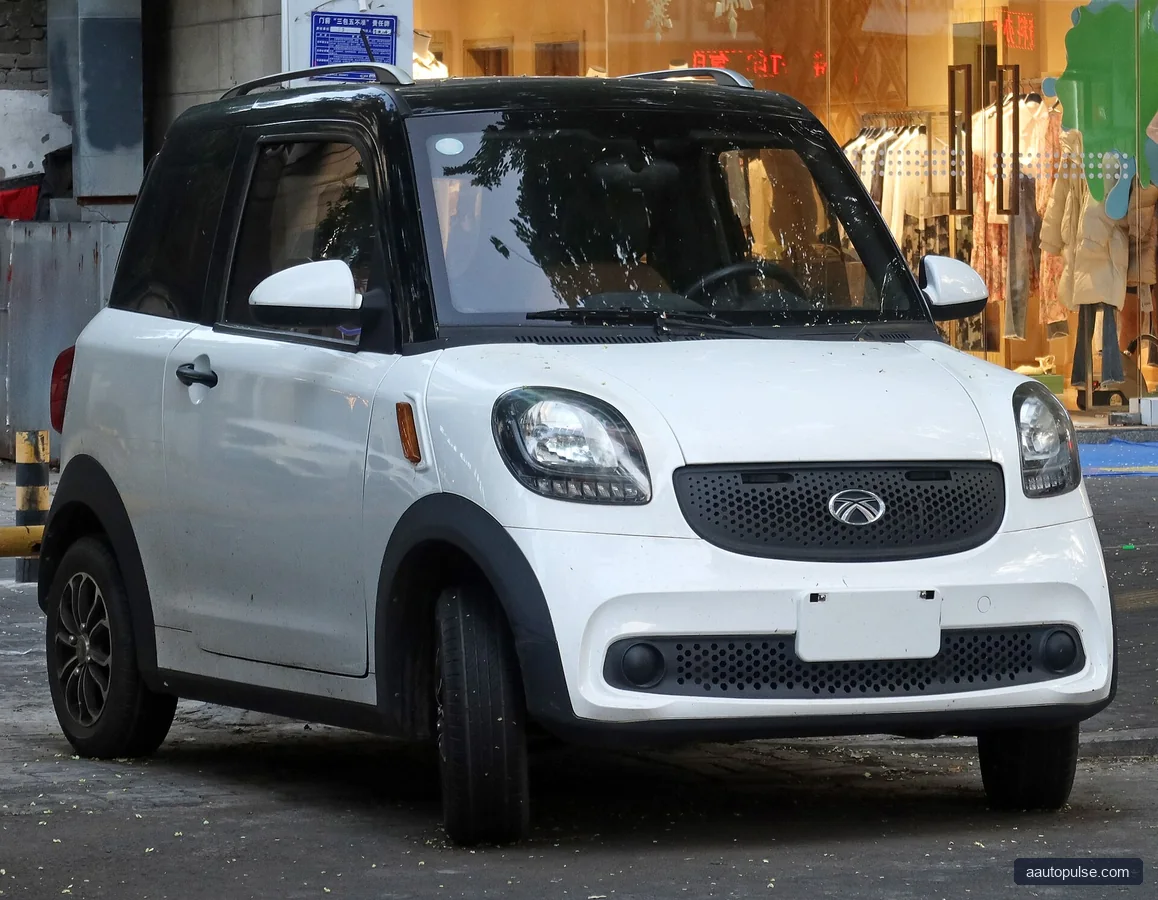
Use cases vary a lot, but the common theme is local travel. A low speed electric vehicle often works well for quick errands, mail runs, security patrols, resort transport, warehouse tasks, and neighborhood trips. Many buyers also use them on private land where road registration may not be needed.
This category overlaps with electric utility vehicles and electric utility vehicle setups, especially when the main goal is hauling supplies or equipment instead of carrying many passengers. Some models are passenger-focused, while others are work-focused with open beds, cargo boxes, or tow accessories.
There are also compact specialty versions, such as a 3 wheel electric vehicle. These can be useful in narrow spaces or for light-duty tasks, but they deserve extra attention to stability, braking, and local legality. A three-wheel layout does not automatically make a vehicle safer or more versatile.
Where they usually fit best
They are often best for routes under a few miles, low traffic environments, and places with predictable stops. They also work well when parking is tight and the trip pattern is repetitive. If your driving includes hills, fast traffic, or long stretches between charging, another vehicle type may be a better fit.
Key Rules, Limits, and Legal Checks Before You Buy
One of the biggest mistakes buyers make is assuming a low-speed model is street legal everywhere. It may be legal in one town and restricted in another. Even when state law allows a neighborhood electric vehicle on certain roads, local rules may still limit where it can go.
Before buying, verify the following with your state DMV and local government:
- Whether the vehicle can be registered for street use.
- Which roads it may use, especially speed-limited streets.
- Whether a driver’s license is required.
- Insurance, lighting, mirror, and seat belt requirements.
- Whether passengers, cargo, or towing are allowed on public roads.
Some owners also assume a electric off road vehicle can be used anywhere because it is quiet and battery powered. That is not always true. Off-road use, private-property use, and public-road use are different categories, and each one can have separate equipment and safety needs.
Safety and roadworthiness matter
Low-speed vehicles do not follow the same crash rules as full-size cars. They are often simpler, lighter, and less protective in a serious impact. When shopping, look for basic safety features like seat belts, mirrors, headlights, turn signals, windshield wipers if applicable, and brakes that feel consistent and well balanced.
If a vehicle is marketed with safety claims, ask what standards apply. Full-size vehicles are often discussed using NHTSA 5-star ratings or IIHS crashworthiness categories, but many low-speed vehicles are not evaluated the same way as passenger cars. If a seller makes safety claims, verify them carefully before you buy.
Low Speed Electric Vehicle Types: Which One Fits Your Use
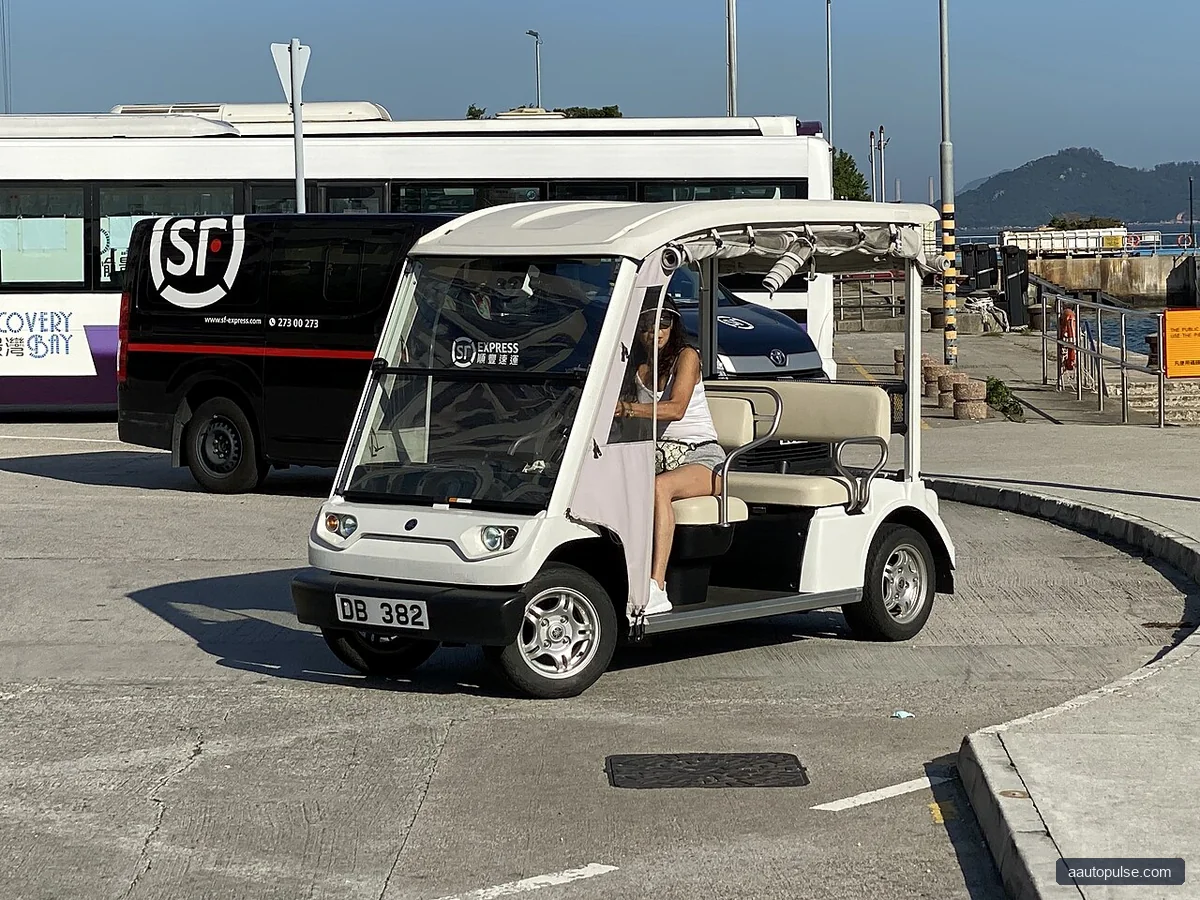
Not all low-speed EVs do the same job. Some are built to move people in planned communities, while others are built to carry tools, trash, supplies, or light loads. Choosing the wrong type can leave you with poor range, not enough cargo room, or a vehicle that feels awkward for your daily route.
| Type | Best For | Strengths | Limitations |
|---|---|---|---|
| Neighborhood electric vehicle | Short street trips in low-speed zones | Compact, simple, good for local errands | Limited speed, range, and road access |
| Electric utility vehicle | Work sites, campuses, maintenance tasks | Cargo space, utility options, practical layout | Less passenger comfort, may be private-property focused |
| 3 wheel electric vehicle | Narrow routes, light-duty mobility | Easy to maneuver, sometimes more compact | Stability and legal status can vary |
| Electric off road vehicle | Private land, trails, ranches, farms | Built for rough surfaces and off-road use | Usually not street legal without proper approval |
Who should choose what
If you want neighborhood transportation for people, a neighborhood electric vehicle is the best match. If your main need is hauling equipment or supplies, an electric utility vehicle usually makes more sense. If you need a compact, specialty design for narrow spaces, a 3 wheel electric vehicle may be worth a closer look, but only after you check stability and legal fit.
If you plan to drive mostly on private land or rugged surfaces, an electric off road vehicle may be the right tool. But if you want to mix road use and work use, be careful: you may need a model designed and equipped for both.
How to Compare Models Before You Buy
A good comparison starts with your daily route. Measure the distance you drive, the type of road you use, the weather, and how many passengers or how much cargo you carry. Then compare the vehicle against that real-world need instead of focusing only on looks or brand names.
Use these selection criteria:
- Range: Make sure the battery can handle your usual round trip with a buffer for detours.
- Top speed: Check whether it matches the roads you plan to use.
- Seating or cargo layout: Choose passenger space or utility space based on your primary use.
- Charging: Confirm you have a convenient outlet or charging setup.
- Road legality: Verify registration, equipment, and local use rules.
- Safety gear: Look for lights, mirrors, belts, and dependable brakes.
Also think about terrain. Flat communities are easier on low-speed vehicles than hilly areas. Cold weather can reduce battery performance, and frequent stop-and-go driving can change your expected range. When in doubt, ask for current documentation and verify the owner’s manual before buying.
Ownership Costs, Charging, and Maintenance Basics
One reason buyers like a low speed electric vehicle is the simple ownership routine. There is no gas station stop, and electric drivetrains usually need less routine service than internal-combustion vehicles. Still, you should not treat them as maintenance-free.
Battery care, tire pressure, brake condition, and charger compatibility all matter. If the model uses lead-acid batteries, charging habits become especially important. If it uses lithium batteries, thermal management and correct charging equipment matter more.
For maintenance and repair, always follow the owner’s manual for exact intervals. Some models may need brake inspections every few months, tire checks before frequent use, and battery terminal checks on a regular schedule. If the vehicle has sealed drivetrain components, service may be minimal, but that does not remove the need for inspection.
Common problems to watch for
These symptoms are worth checking early:
- Reduced range compared with normal use
- Slow acceleration or weak hill climbing
- Dim lights or electrical glitches
- Brakes that feel soft, noisy, or uneven
- Tires wearing faster on one side
- Charging that takes longer than usual or stops early
If you notice any of these, start with the basics: battery charge level, cable connections, tire pressure, and visible wear. If the issue continues, consult the manual or a qualified technician familiar with low-voltage EV systems.
How to Decide: Practical Buyer Checklist
If you are still deciding, use a simple yes-or-no check. This can help you avoid overbuying or choosing a vehicle that looks useful but does not match your daily life.
- Will you use it mostly on short, low-speed routes?
- Do your roads allow a low-speed vehicle or neighborhood electric vehicle?
- Do you need passengers, cargo, or both?
- Can you charge it easily at home or at work?
- Do you need a street-legal vehicle, or is private-property use enough?
- Does the model include the safety equipment your local rules require?
Verdict: Choose a neighborhood electric vehicle if your main goal is short passenger trips in approved areas. Choose an electric utility vehicle if your focus is work tasks and cargo. Choose a 3 wheel electric vehicle only if its layout truly fits your space and you have confirmed it is appropriate for your use and local rules. Choose an electric off road vehicle if your driving is mainly on private land or rough terrain, not public roads.
FAQ
Is a low speed electric vehicle street legal in every state?
No. Street legality depends on state law and often on local road rules too. Some states allow neighborhood electric vehicles on certain roads, while others restrict them more. Always confirm registration, equipment, and road-use rules with your DMV and city or county office.
What is the difference between a neighborhood electric vehicle and an electric utility vehicle?
A neighborhood electric vehicle is usually aimed at short passenger trips on low-speed roads. An electric utility vehicle is usually built for work, cargo, and task use. The right choice depends on whether you need people-moving or job-site utility first.
Can a low speed electric vehicle replace a car?
For some people, yes, but only for limited trips and limited roads. It usually cannot replace a full car if you need highway driving, long trips, higher crash protection, or all-weather versatility. It works best as a local mobility tool, not a universal replacement.
Are low speed electric vehicles safe?
They can be safe when used in the right environment and with proper equipment, but they do not offer the same protection as a full-size car. Look for seat belts, mirrors, lights, and good brakes. If safety ratings are claimed, ask how they were evaluated and whether NHTSA or IIHS-style testing applies.
How do I know if a 3 wheel electric vehicle is right for me?
Start with your route, cargo needs, and comfort level. Three-wheel designs can be nimble, but they may feel different in turns and on rough surfaces. Check legality, stability features, and whether the layout is meant for your type of use.
Conclusion
A low speed electric vehicle can be a smart, practical choice if your driving is short, local, and predictable. The key is matching the vehicle type to your real-world needs and checking the legal rules before you buy. Start with your route, your cargo or passenger needs, and your charging setup, then compare those needs against the vehicle’s purpose. If you do that, you will be much more likely to choose a model that feels useful from day one.
Before making a purchase, verify the owner’s manual, local street-use rules, and safety equipment requirements so you know exactly what is allowed and what is expected.
Featured image: Photo: Kevauto / CC BY-SA 4.0 via Wikimedia Commons