An extended range electric vehicle can be a smart middle ground for U.S. drivers who want EV benefits without relying only on public charging. These vehicles use a battery and electric motor for most driving, then a gas engine or generator steps in when the battery runs low. That makes them useful for commuters, road-trippers, and shoppers who are not ready for a full battery-electric vehicle. In this guide, you will learn how extended-range EVs work, how they differ from hybrids and plug-in hybrids, and how to decide if one fits your daily driving, charging access, and budget.
📖 Table of Contents
- What Is an Extended Range Electric Vehicle?
- Why US Buyers Consider an Extended Range Electric Vehicle
- Who Should Choose What?
- Selection Criteria That Matter Most
- How to Compare Extended Range EV Options
- Real-World Ownership: What to Expect
- Common Questions and Troubleshooting
- FAQ: Extended Range Electric Vehicle Guide for US Buyers
- Conclusion
📌 Key Takeaways
- An extended range electric vehicle drives mostly on electricity, with a gas engine used as backup or support.
- It can help reduce range anxiety for U.S. buyers who can charge at home but still take longer trips.
- It is not the same as a regular hybrid, and it is not always the same as a plug-in hybrid, either.
- The best choice depends on your commute, access to home charging, road-trip habits, and local incentives.
What Is an Extended Range Electric Vehicle?
An extended range electric vehicle is designed to run as an EV first. The wheels are driven by electric power, and the battery handles most daily use. When the battery gets low, a gasoline engine or generator extends the driving range instead of leaving you stuck.
This setup is often appealing to drivers who want the smooth, quiet feel of an EV but still want a backup plan for long drives. The key idea is simple: plug in when you can, then rely on the range extender when you need extra miles.
How it differs from a hybrid
A standard hybrid uses both gas and electric power, but it usually depends on the gas engine much more often. In an extended range electric vehicle, electricity is the main event. The gas system is there to help stretch the distance, not to do most of the work.
How it differs from a plug-in hybrid
The line between an extended range EV and a plug-in hybrid can get blurry. In many plug-in hybrids, the gas engine and electric motor both directly drive the wheels. In many extended range designs, the battery and motor do the driving, while the engine acts more like a generator. Because automakers do not always use the terms the same way, always check the vehicle’s powertrain details before you buy.
Why US Buyers Consider an Extended Range Electric Vehicle
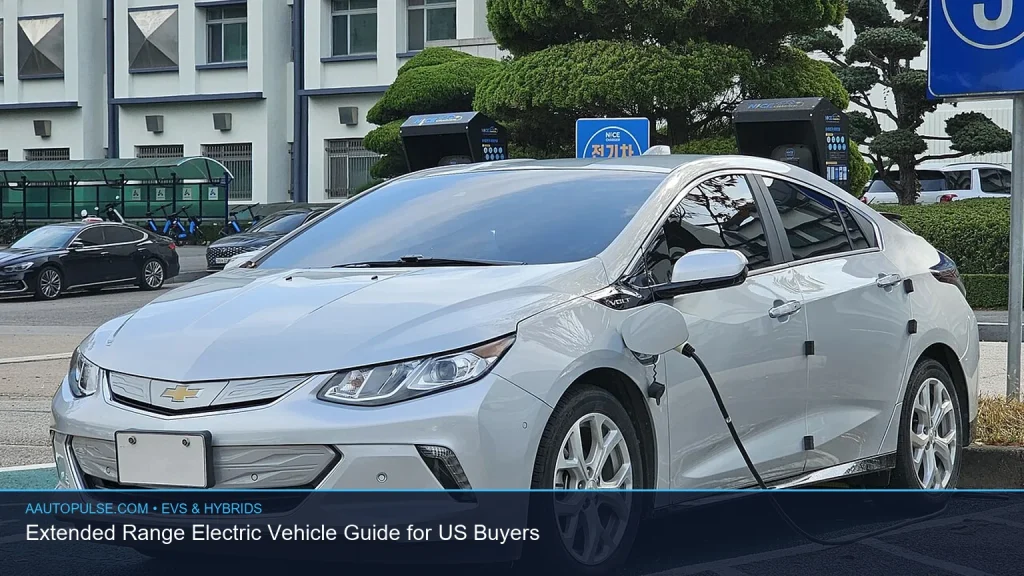
For many U.S. shoppers, the biggest advantage is flexibility. You get electric driving for errands and commuting, but you are not fully dependent on charging stations for long trips. That can be especially helpful in areas where public chargers are still limited or where winter weather cuts into range.
It can also be a practical fit for households with one car that must do everything. If you can charge at home overnight, most of your local driving may be electric. Then, when you plan a road trip, the backup range can reduce stress.
Common reasons buyers like this setup
- They want lower tailpipe emissions than a gas-only vehicle.
- They have a daily commute that fits well within electric range.
- They take occasional longer trips and want backup range.
- They are not ready to depend fully on public charging.
Who Should Choose What?
The right powertrain depends on how you drive, not just on the label on the window sticker. Use the table below as a quick decision guide.
| Buyer Type | Best Fit | Why |
|---|---|---|
| Daily commuter with home charging | Extended range EV or full EV | You can drive mostly on electricity and recharge overnight. |
| Driver with frequent long trips | Extended range EV | Backup range helps reduce charging stops and trip anxiety. |
| Buyer with no reliable charging access | Hybrid | No need to plug in, so it is easier if home charging is not realistic. |
| Shopper seeking maximum electric miles | Full EV | If you can charge easily and rarely take long trips, a full EV may be simpler. |
Verdict: choose an extended range EV if you want mostly electric driving but still want a backup for road trips, rural routes, or charging gaps. Choose a hybrid if you do not want to plug in at all. Choose a full EV if you have dependable charging and want the simplest electric setup.
Selection Criteria That Matter Most
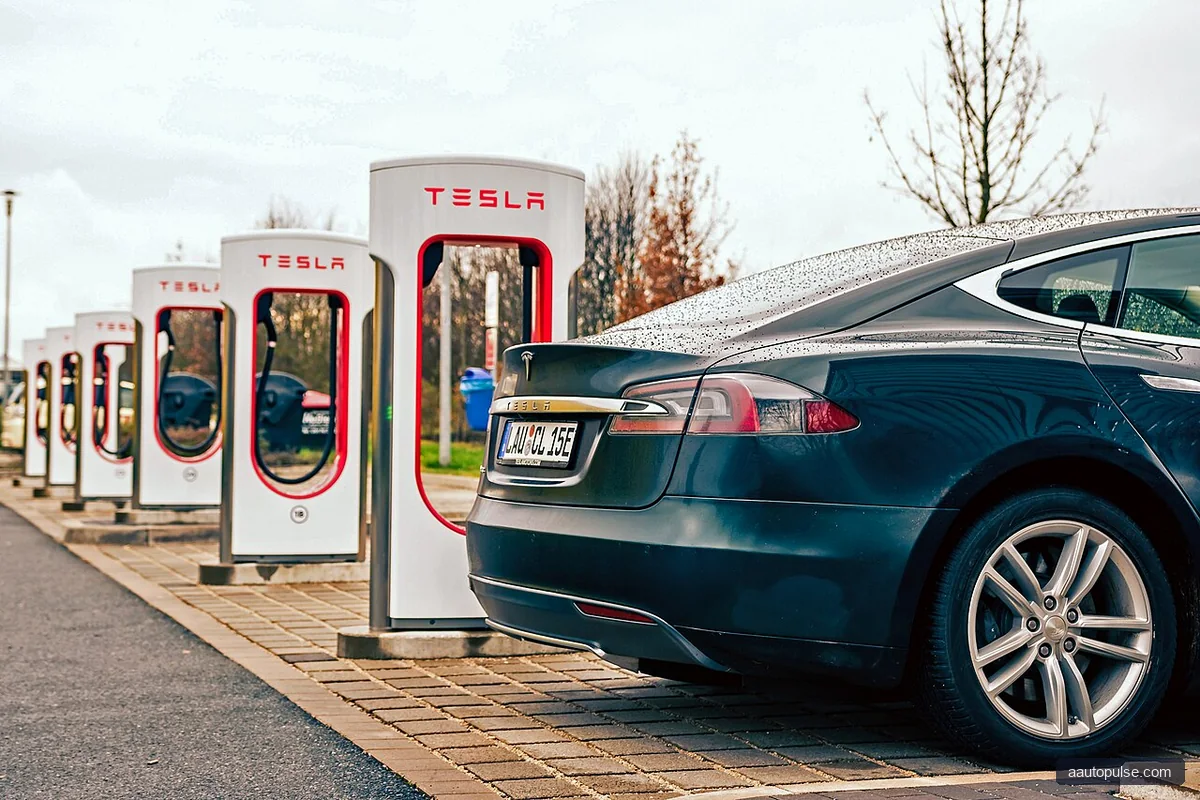
Do not shop by badge alone. The best vehicle is the one that fits your daily routine, your charging access, and your travel habits. Start with where, when, and how far you drive.
1. Daily mileage
If your routine is mostly short trips, a longer electric-only range may cover nearly all of your driving. If your commute is long, look for a model whose electric range comfortably handles your normal weekday use.
2. Charging access
Home charging is a major advantage. If you can plug in overnight, you are much more likely to enjoy the benefits of an extended range electric vehicle. Apartment dwellers or street parkers should check whether workplace or public charging is easy to reach.
3. Long-trip frequency
If you only take a few road trips per year, the range extender may be enough to ease your concerns. If you drive cross-country often, compare charging route quality and refill times before you decide.
4. Climate and terrain
Cold weather, high speeds, heavy loads, and hills can all reduce efficiency. Drivers in northern states or mountain regions should build in extra buffer when estimating real-world range. Always verify current range figures with the manufacturer and recent EPA information when available.
How to Compare Extended Range EV Options
Since no product listings were supplied, the smart way to compare vehicles is by features and use case, not by price or brand. Here is a simple way to evaluate any model you are considering.
- Check the electric-only range and note how close it comes to your daily driving.
- Review how the range extender works and whether it directly powers the wheels or acts as a generator.
- Look at charging speed and connector support for home and public stations.
- Confirm cargo space, seating, and towing needs if those matter to your lifestyle.
- Check warranty coverage, battery terms, and maintenance requirements in the owner’s manual.
When comparing choices, pay attention to what matters most in real life. A vehicle with slightly less electric range may still be the better pick if it charges faster, fits your family better, or has easier service access.
Real-World Ownership: What to Expect
Ownership is usually simpler than many first-time buyers expect. You will still need routine maintenance for the gas side of the system, plus standard EV-related checks like tire wear, brakes, and software updates. The electric motor and battery reduce some routine service needs, but they do not eliminate maintenance altogether.
For the gas engine portion, follow the owner’s manual closely. Service intervals can vary by model and duty cycle, but oil changes, coolant checks, cabin filters, and inspections may still apply. If your vehicle uses the engine less often, the manufacturer may give time-based service intervals as well as mileage-based ones.
Useful ownership reminders
- Keep tires inflated to the recommended level for efficiency and safety.
- Rotate tires at the interval listed in the owner’s manual.
- Watch for reduced range in cold weather and when using heat or fast acceleration.
- Schedule periodic brake checks, even though regenerative braking may reduce wear.
Common Questions and Troubleshooting
If you are new to this segment, a few concerns come up often. The good news is that most of them are manageable with a little planning.
| Situation | What It May Mean | What To Do |
|---|---|---|
| Electric range drops fast in winter | Cold weather and cabin heat are reducing efficiency | Precondition the cabin, drive smoothly, and plan extra charging margin |
| Gas engine runs more than expected | Battery charge is low or the system is protecting performance | Check drive mode, charging habits, and service alerts |
| Charging takes longer than expected | Power level, charger type, or battery temperature may be limiting speed | Verify charger output and consult the vehicle charging guide |
If warning lights appear, range drops sharply, or the vehicle behaves differently than usual, check the manual and have the vehicle inspected by a qualified technician. Do not assume every issue is normal battery behavior.
FAQ: Extended Range Electric Vehicle Guide for US Buyers
Is an extended range electric vehicle the same as a plug-in hybrid?
Not always. Some plug-in hybrids let the gas engine and electric motor both drive the wheels. Many extended range EVs are built so the electric motor does the driving and the gas engine mainly acts as a generator. Always check the vehicle’s powertrain design.
Do extended range EVs need regular gas engine maintenance?
Yes, if they include a gasoline engine. That usually means some oil-related, cooling, filter, and inspection tasks still apply. The exact service schedule depends on the model, so the owner’s manual is the best source.
Are extended range EVs good for road trips?
They can be, especially for drivers who want electric commuting but do not want to rely only on charging stops. Still, actual trip comfort depends on charging access, route planning, and how the vehicle handles energy use at highway speeds.
How do I know if one will fit my commute?
Compare your average daily miles with the vehicle’s electric-only range. If your commute and errands fit comfortably inside that range, you may drive mostly on electricity and use the range extender only occasionally.
Should I buy one if I do not have home charging?
It can still work, but the value drops if you cannot charge often. If home or workplace charging is not realistic, a hybrid may be the easier choice. Public charging access in your area should be part of the decision.
Conclusion
An extended range electric vehicle can be a strong choice for U.S. buyers who want electric driving with extra flexibility. It is especially useful if you can charge at home but still need a backup for longer trips. Before you buy, compare your daily mileage, charging access, and travel habits, then verify the exact powertrain details, charging setup, and maintenance schedule with the manufacturer. That will help you choose a vehicle that fits your real life, not just the brochure.