If your cabin air feels weak, warm, or musty, routine car air conditioning system maintenance can usually help. A well-kept AC system cools faster, runs more efficiently, and is less likely to fail when summer heat hits. The good news: many checks are simple, and a few smart habits can prevent bigger repairs later. Below, you’ll learn what to inspect, when to service it, and how to spot early warning signs before they become expensive problems.
📖 Table of Contents
- Why car AC maintenance matters
- Start with the easiest maintenance checks
- How to inspect the system for common warning signs
- Protect the key AC parts before they fail
- Follow a smart seasonal maintenance routine
- What you can do yourself, and when to get help
- Troubleshooting tips for weak or warm air
- FAQ
- Conclusion
📌 Key Takeaways
- Run your AC regularly, even in cooler months, to help keep seals lubricated and catch issues early.
- Replace the cabin air filter on schedule, since a clogged filter can reduce airflow and strain the system.
- Watch for weak cooling, odd smells, moisture, or strange noises, which often point to leaks, blockage, or compressor trouble.
- Follow your owner’s manual for service intervals, because AC and cooling system car maintenance varies by vehicle.
Why car AC maintenance matters
Your car’s air conditioning does more than make summer drives comfortable. It also helps clear humidity from the windshield, supports safe visibility, and can reduce stress on hot days. When the system is ignored, small issues can turn into poor cooling, higher fuel use, or parts failure.
Good car ac maintenance also helps the system last longer. Refrigerant leaks, dirty filters, and worn belts can reduce performance long before the AC stops working completely. A quick check now is often cheaper than a compressor or condenser repair later.
Start with the easiest maintenance checks
Many AC problems begin with basic items that drivers can inspect without special tools. Start here before assuming the compressor or refrigerant is the problem. These checks are also useful for broader cooling system car maintenance, since heat management and cabin comfort often get mixed up in the same conversation.
1. Replace the cabin air filter
A dirty cabin air filter is one of the most common reasons for weak airflow. It can trap dust, pollen, leaves, and road debris, making the vents feel weak even when the system is running correctly. In many vehicles, the filter should be checked every 12,000 to 15,000 miles, but dusty roads, heavy pollen, or city driving may mean more frequent replacement.
Check your owner’s manual for the exact interval and filter location. Some vehicles place it behind the glove box, while others hide it under the dash or cowl area.
2. Clean the vents and intake area
Leaves and debris near the windshield cowl can block the fresh-air intake. If airflow seems reduced, inspect the area around the base of the windshield and remove buildup carefully. Also wipe dust from dashboard vents to improve airflow and reduce stale smells.
3. Run the AC regularly
Even during cooler months, turn on the AC for a few minutes every couple of weeks. This helps keep seals from drying out and can reveal small issues before summer. If the system is never used, you may not notice a problem until you really need cold air.
How to inspect the system for common warning signs
When drivers ask about car air conditioning system maintenance, the most useful answer is often: pay attention to symptoms. The AC usually gives clear clues before a major failure. A simple symptom check can save time and make a mechanic’s diagnosis easier.
| Symptom | Likely Cause | What to Do |
|---|---|---|
| Weak airflow | Clogged cabin filter, blocked vents, blower issue | Check filter and vents first |
| Air is cool, not cold | Low refrigerant, weak compressor, dirty condenser | Inspect for leaks or professional diagnosis |
| Musty smell | Moisture, mold, dirty evaporator or filter | Replace filter and clean system as needed |
| Clicking or squealing | Belt wear, clutch issue, compressor wear | Schedule inspection soon |
| Water inside the cabin | Drain blockage or condensation problem | Check drain tube and cabin floor for leaks |
If the AC suddenly stops cooling, do not assume a top-off will fix it. Refrigerant loss usually means there is a leak somewhere, and simply adding more refrigerant without finding the cause can lead to repeat failure.
Protect the key AC parts before they fail

The main AC parts work together: compressor, condenser, evaporator, expansion valve or orifice tube, hoses, seals, and refrigerant. When one part struggles, the rest have to work harder. Regular inspection keeps minor wear from spreading through the system.
Check the compressor area
The compressor is often called the heart of the AC system. Look for oil residue near hoses or fittings, since that can point to a refrigerant leak. If the compressor makes a grinding or rattling sound, turn the system off and have it inspected soon.
Keep the condenser clean
The condenser sits near the front of the vehicle and can collect bugs, dirt, and road grime. If it is clogged, the system may cool poorly, especially at low speeds or while idling. A gentle rinse with low-pressure water may help, but avoid bending the fins.
Inspect belts and hoses
Some vehicles use a separate belt for the compressor, while others share a serpentine belt. Cracks, glazing, fraying, or squealing are signs that the belt needs attention. Hoses should also be checked for brittleness, cracking, or damp spots that suggest a leak.
Follow a smart seasonal maintenance routine
The best car ac maintenance plan changes with the season. You do not need to inspect everything every week, but a simple routine can help you stay ahead of problems. Use this as a practical guide, then confirm details in your owner’s manual.
- At the start of spring: Test the AC, replace the cabin air filter if due, and inspect the condenser for debris.
- Before peak summer heat: Check for weak cooling, odd smells, or strange noises. Make sure the engine cooling system is also in good shape, since overheating can affect AC performance.
- In fall: Run the AC for a few minutes every couple of weeks to keep parts moving and seal life in better shape.
- Before winter: Clear leaves from the cowl area and confirm the defroster works well, since AC often helps remove window fog.
When people ask about cooling system car maintenance, they sometimes mean the engine cooling system, not the cabin AC. Both matter. A hot engine can reduce overall performance, and in some cases it may affect how well the AC can operate in traffic or on steep grades.
What you can do yourself, and when to get help
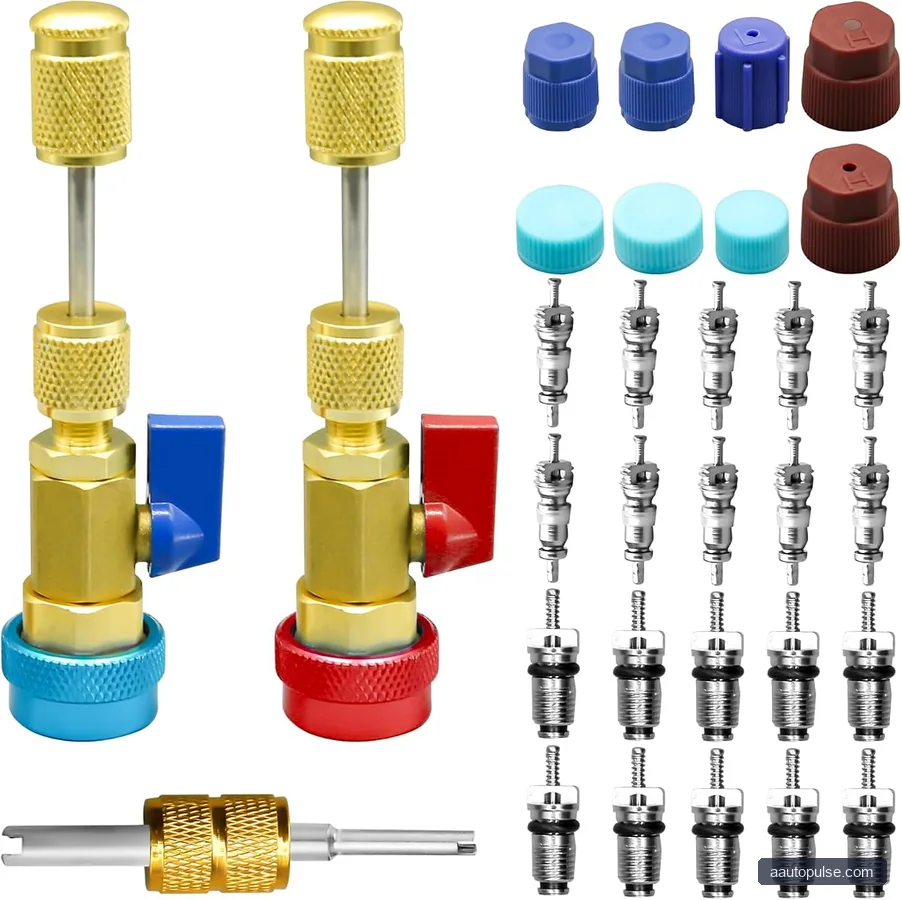
Some AC maintenance is safe for drivers to handle. Other tasks require sealed-system tools, refrigerant recovery equipment, and training. Knowing the difference helps you avoid damage and unsafe repairs.
| Task | DIY or Pro? | Notes |
|---|---|---|
| Replace cabin air filter | DIY for many cars | Check manual for access steps |
| Clean vents and cowl area | DIY | Use gentle tools and low pressure |
| Check visible belts and hoses | DIY | Do this with the engine off and cool |
| Recover/add refrigerant | Pro recommended | Leaks should be found and repaired first |
| Compressor or leak diagnosis | Pro recommended | Needs specialized tools |
Selection verdict: Choose DIY for filter changes, visual checks, and basic cleaning. Choose a professional if the air is no longer cold, the compressor is noisy, there is visible leakage, or the system needs refrigerant service. If you are unsure, professional diagnosis is the safer choice because sealed AC systems are not meant for guesswork.
Troubleshooting tips for weak or warm air
If your AC is underperforming, use a step-by-step approach instead of jumping straight to the most expensive repair. This helps narrow the problem and avoids wasting time and money. Start with the easiest possible causes first.
- Set the system correctly: Confirm the AC is on, recirculation is selected, and the temperature is set to cold.
- Check airflow: If the vents are weak, inspect the cabin filter and intake area.
- Look for odors or moisture: Musty smells can point to standing moisture or a dirty evaporator area.
- Listen for changes: Clicking, squealing, or cycling on and off too fast can signal mechanical or refrigerant problems.
- Watch engine temperature: If the engine runs hot, fix that issue first because it can affect AC operation and overall drivability.
One important caution: do not keep adding refrigerant just because the air is warm. Overcharging can damage the system, and the real issue may be a leak, a failed component, or airflow restriction. If the vehicle needs repeated refills, it needs a proper inspection.
FAQ
How often should I service my car AC system?
There is no single interval for every vehicle, but the cabin air filter is often checked every 12,000 to 15,000 miles. The AC system itself should be inspected anytime cooling drops, odors appear, or noises change. Always verify the schedule in your owner’s manual, because maintenance needs vary by make and model.
Does running the AC in winter help?
Yes. Running the AC for a few minutes in winter can help keep seals conditioned and remove moisture from the cabin air. It also helps the defroster clear fogged windows faster. Short, regular use is better than leaving the system idle for months.
What causes a car AC to stop blowing cold air?
Common causes include low refrigerant from a leak, a clogged cabin air filter, a dirty condenser, a failing compressor, or an electrical issue. Weak airflow and warm air are not the same problem, so the symptom matters. A technician can test pressures and pinpoint the fault.
Is a bad smell from the vents a serious problem?
It can be. A musty smell often means moisture buildup, mold, or a dirty evaporator area. While it may start as a comfort issue, it can also point to drainage or filter problems that should be fixed soon.
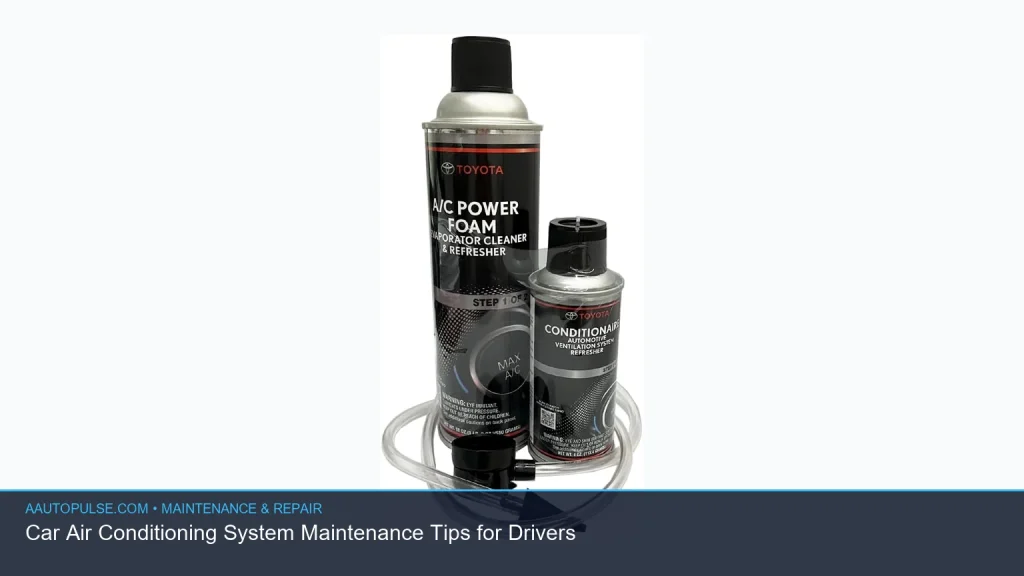
Can I use DIY refrigerant cans to fix the problem?
They may seem simple, but they are not a complete repair. If the system is low, there is usually a leak or another fault that should be found first. In many cases, a professional diagnosis is the better long-term fix.
Conclusion
Strong AC performance starts with simple habits: change the cabin filter on time, keep vents and the condenser clean, run the system regularly, and watch for early warning signs. If cooling drops or the system starts making noise, do not wait for a full failure. For the best results, follow your owner’s manual and schedule a professional inspection when the problem goes beyond basic maintenance.