If you’re asking do hybrid cars need to be charged, the simple answer is: most do not. A standard hybrid charges its battery on its own while you drive, through braking and the gas engine. You plug in only if you have a plug-in hybrid, or PHEV. This guide explains what a hybrid car means, how the hybrid drivetrain works, and how to tell whether a hybrid fits your driving style. If you want the shortest version: regular hybrids save fuel without charging, while plug-in hybrids give you electric-only driving with charging.
📖 Table of Contents
📌 Key Takeaways
- Most hybrid cars do not need to be charged because they recharge themselves while driving.
- A plug-in hybrid is different: it can be charged at home or at a station and usually offers more EV-only range.
- The term hybrid car meaning is simple: it uses both a gas engine and an electric motor.
- If you are wondering do you need to charge a hybrid car, check whether it is a standard hybrid, mild hybrid, or plug-in hybrid.
What Does Hybrid Mean in Cars?
To answer what does hybrid mean in cars, think of two power sources working together. A hybrid vehicle uses a gasoline engine and an electric motor to move the car more efficiently. That is the basic hybrid cars definition and the core of hybrid vehicles meaning.
The hybrid car meaning is not about full electric driving. It is about using electric help when it makes sense, such as low speeds, stop-and-go traffic, and light acceleration. That support can improve fuel economy and reduce engine load.
In simple terms, what’s a hybrid car? It is a vehicle that blends gas power and electric power in one system. Many drivers like them because they feel familiar to drive, but they use less fuel than a traditional gas-only car.
Do Hybrid Cars Need to Be Charged?
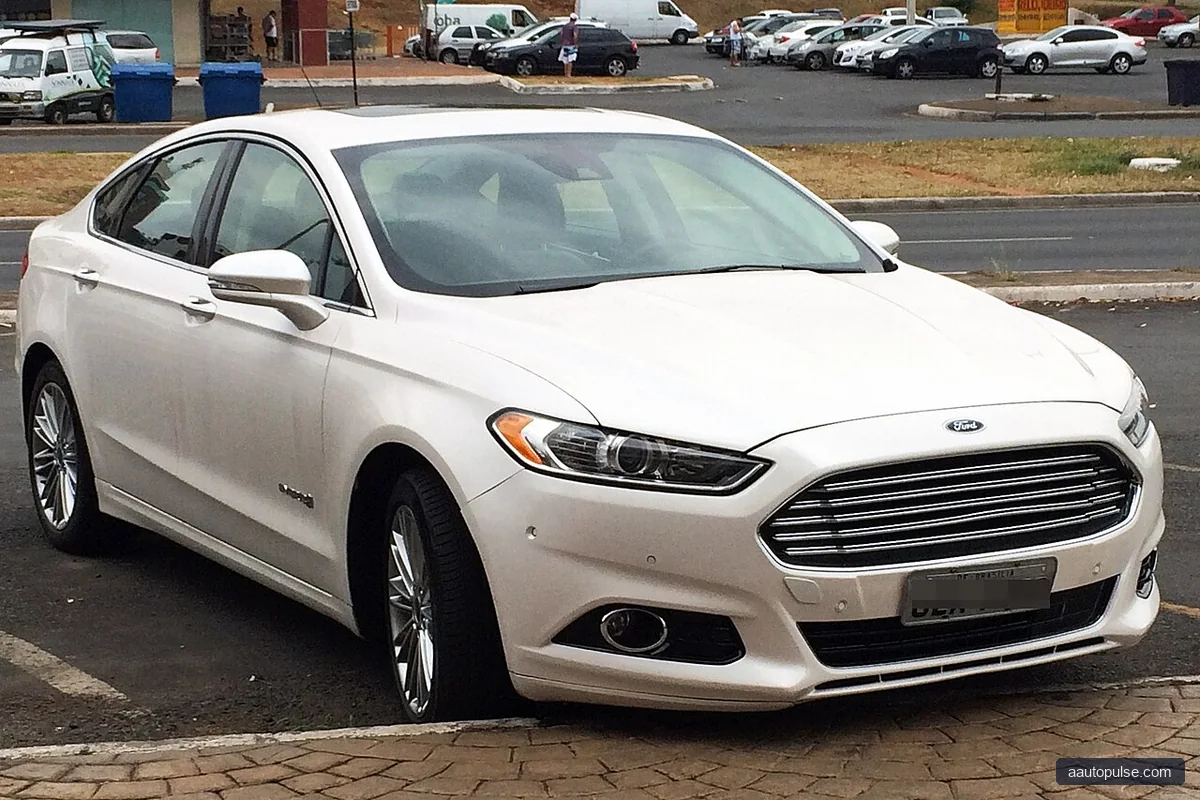
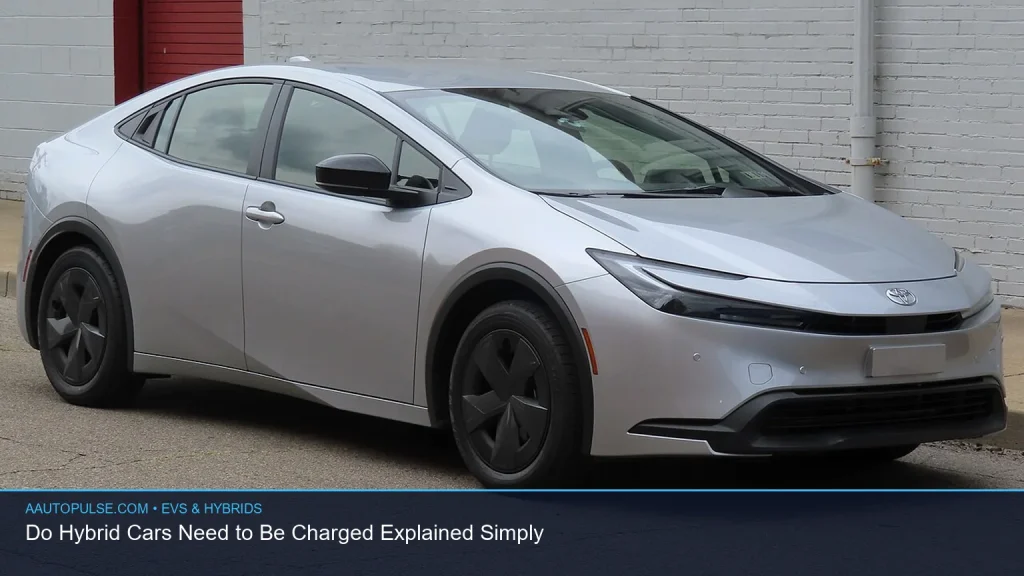
For most drivers, the answer to do hybrid cars need to be charged is no. A standard hybrid does not plug into the wall. Its battery is charged by the gas engine and by regenerative braking, which captures energy that would otherwise be lost when slowing down.
This is why people often ask do you have to charge a hybrid car or do you need to charge a hybrid car. The answer depends on the type of hybrid. If it is a regular hybrid or a mild hybrid, charging is automatic. If it is a plug-in hybrid, charging is part of normal use.
So, if you are shopping and want a car that works like a normal vehicle at the pump, a standard hybrid may be the easier choice. If you want the ability to drive on electricity for short trips, a plug-in hybrid is the one that needs charging.
How the Hybrid Drivetrain Works
The hybrid drivetrain is the system that lets the gas engine and electric motor work together. In many cars, the motor helps at low speeds, during acceleration, or when the engine would otherwise be inefficient. Then the gas engine takes over more often at higher speeds or under heavier load.
One common setup is the parallel hybrid vehicle. In this design, the engine and motor can both help drive the wheels. That makes the system flexible and efficient in many everyday driving situations.
Another key part is regenerative braking. When you slow down, the motor acts like a generator and sends energy back to the battery. That means the car recharges itself without needing a plug.
HEV Meaning, Mild Hybrid, and Plug-In Hybrid
HEV meaning is “hybrid electric vehicle.” This usually refers to a standard self-charging hybrid. It is the type most people mean when they ask about hybrid car meaning or hybrid vehicles meaning.
A mild hybrid is a bit different. It uses a small electric system to assist the engine, but it usually cannot drive on electricity alone for long. It also does not need to be plugged in.
A plug-in hybrid sits between a regular hybrid and a full EV. It has a larger battery and can usually drive some distance on electricity alone, but you must charge it to get the full benefit.
Which Type of Hybrid Do You Have?
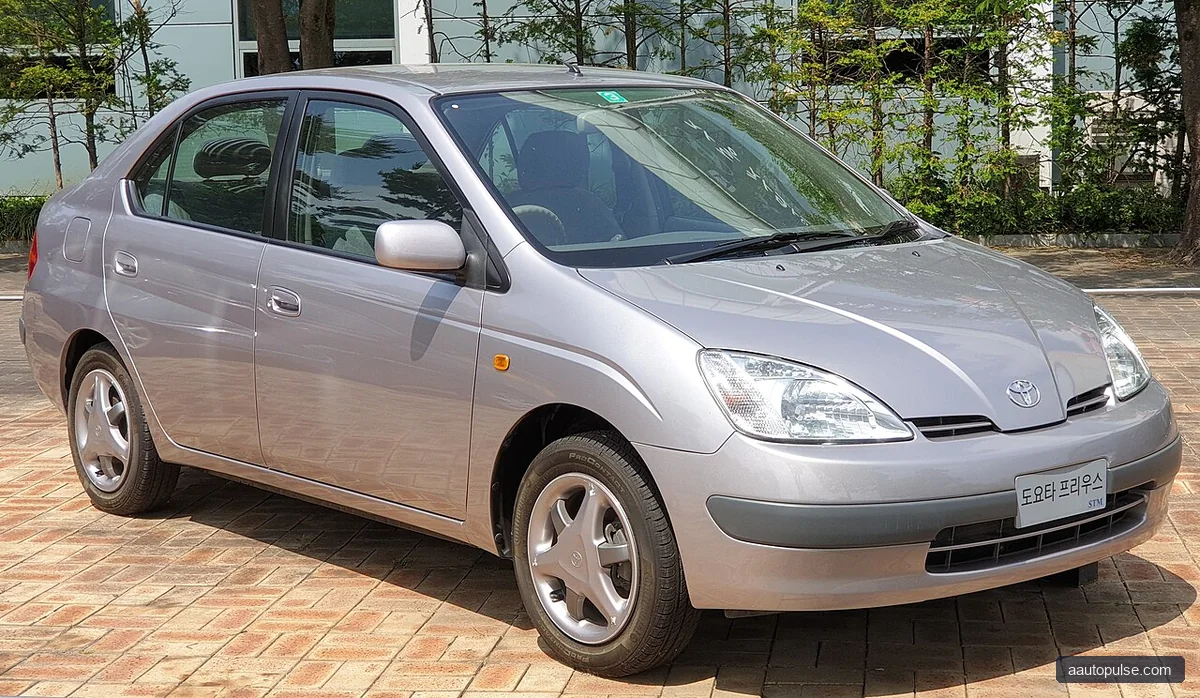
If you are not sure whether your car needs charging, look at the badge, trim name, or owner’s manual. Automakers usually label plug-in hybrids clearly, often with “PHEV,” “Plug-in Hybrid,” or an “e” or “prime” style badge depending on the brand.
A standard hybrid will usually say “Hybrid” or “HEV.” It should not have a charging port meant for routine home charging. A plug-in hybrid will have a charging port and instructions for charging in the owner’s manual.
| Type | Need to Plug In? | Main Strength | Main Limitation |
|---|---|---|---|
| Standard hybrid / HEV | No | Automatic self-charging, easy ownership | No long electric-only driving |
| Mild hybrid | No | Small efficiency boost, smooth start-stop | Limited electric driving |
| Plug-in hybrid / PHEV | Yes | Can drive on electricity for short trips | Best results depend on regular charging |
Why Some Hybrids Charge Themselves
A standard hybrid is designed to be simple for the driver. When you slow down, energy from the wheels can recharge the battery. When the battery needs help, the engine can also supply power.
This is why many owners never plug in and never need to ask, “do you have to charge a hybrid car?” The car manages that work on its own. You still refuel with gasoline, but the electric system helps reduce how often the engine has to work hard.
This setup is especially useful in city driving. Stop-and-go traffic creates many chances for regenerative braking, so the system can recover energy more often.
How to Decide if a Hybrid Is Right for You
If you are choosing between a standard hybrid and a plug-in hybrid, start with how you drive. A standard hybrid usually makes sense if you want a low-hassle car that improves fuel economy without changing your routine. A plug-in hybrid makes sense if you can charge at home or work and you drive many short trips.
Here is a simple decision guide:
| If you want… | Choose | Why |
|---|---|---|
| No charging and simple ownership | Standard hybrid | Self-charging system works automatically |
| Short electric-only trips | Plug-in hybrid | You can charge and drive some miles on electricity |
| Mostly city driving with frequent stops | Standard hybrid | Regenerative braking works well in traffic |
| A mix of EV driving and gas backup | Plug-in hybrid | Flexible for long and short trips |
Selection criteria: daily commute length, access to charging, fuel budget, and how much change you want in your routine. If you do not want to think about plugs, choose a standard hybrid. If you can charge regularly and want more electric driving, choose a plug-in hybrid.
Who should choose what: commuters with home charging often do well with PHEVs. Drivers who want simplicity and lower fuel use without plugging in are usually better served by standard hybrids.
Common Questions and Quick Troubleshooting
If a hybrid acts oddly, the issue may not be the high-voltage battery. Problems can also come from the 12-volt battery, fuel system, brake system, or software. Always check the owner’s manual and follow service guidance from the automaker.
Here are common signs that deserve attention:
- Warning lights for the hybrid system or check engine light
- Reduced fuel economy
- Harsh transitions between engine and motor
- Brakes that feel unusual or noisy
- Battery state-of-charge that seems unstable
For routine maintenance, follow the maintenance schedule in your manual. Many hybrids still need regular oil changes, tire rotations, and brake fluid checks, even if brake wear is often lower thanks to regenerative braking.
FAQ
What’s a hybrid car in one sentence?
A hybrid car is a vehicle that combines a gas engine and an electric motor to improve efficiency and reduce fuel use.
Do you have to charge a hybrid car at home?
Not usually. Standard hybrids and mild hybrids recharge themselves while you drive. Only plug-in hybrids need routine charging to use their electric range fully.
What is the difference between HEV meaning and PHEV?
HEV means hybrid electric vehicle, which is usually a self-charging hybrid. PHEV means plug-in hybrid electric vehicle, which can be charged from an outlet or charger.
Is a parallel hybrid vehicle better than other hybrid types?
It depends on your needs. A parallel hybrid can be efficient and smooth in daily driving, but the best choice depends on how you drive, whether you can charge, and what type of fuel savings you want.
Do hybrid cars need special maintenance?
They need regular maintenance like any car, plus attention to hybrid-specific systems. Always verify service intervals in your owner’s manual, since schedules can vary by model and year.
Conclusion
So, do hybrid cars need to be charged? In most cases, no. A regular hybrid charges itself and lets you drive like a normal gas car with better fuel economy. A plug-in hybrid is the exception, since it needs charging to deliver its electric-only benefits.
If you are shopping, start with your driving habits. If you want easy ownership, choose a standard hybrid. If you want more electric driving and can plug in often, consider a plug-in hybrid. Either way, the owner’s manual is the best place to confirm how your specific vehicle works.