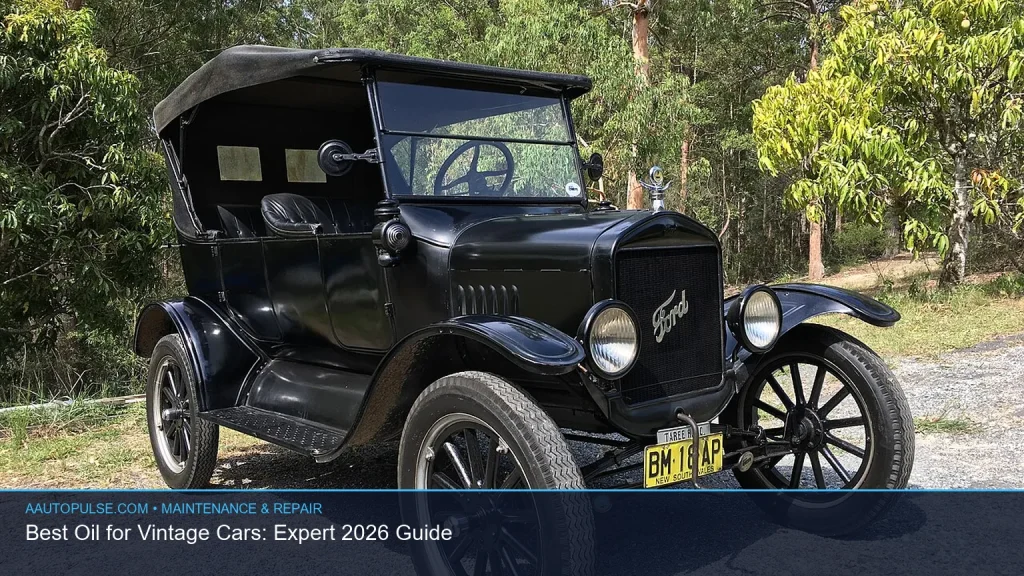
If you own a classic or antique vehicle, choosing the right oil for vintage cars is one of the most important maintenance decisions you can make. Older engines often need a different oil strategy than modern cars because of flat tappet cams, looser clearances, and aging seals. The best choice depends on your engine design, climate, storage habits, and whether your car leaks, sits, or gets driven often. This guide explains what to use, what to avoid, and how to pick the right oil with confidence.
📖 Table of Contents
- What Makes Vintage Cars Different?
- Best Oil for Vintage Cars: How to Choose
- Oil Types Compared: What Works Best and Why
- Recommended Viscosity by Condition and Climate
- How to Change Oil in a Vintage Car Safely
- Troubleshooting: Signs Your Vintage Car May Need a Different Oil
- Maintenance Intervals and Storage Tips for Classics
- FAQ About Oil for Vintage Cars
📌 Key Takeaways
- Many vintage engines do best with high-zinc oil or classic-car formulas, especially if they have flat tappet cams.
- The best oil for vintage cars depends on engine design, mileage, storage time, and climate, not just viscosity alone.
- Older seals and rubber parts for old cars may react differently to oil additives, so watch for leaks after any oil change.
- When in doubt, verify the owner’s manual, service bulletin, or engine builder’s guidance before changing viscosity or additive levels.
What Makes Vintage Cars Different?
Vintage engines were built for a different era of oils, fuel, and driving habits. Many use flat tappet camshafts, which can be harder on valve train parts than modern roller setups. They also may have wider internal clearances, older gaskets, and seals that have aged for decades.
That means a modern “one-size-fits-all” oil may not be the best match. In some cases, the wrong oil can raise noise, increase leaks, or offer less protection than you expect. For that reason, the best oil for vintage cars is usually chosen with the engine’s original design in mind.
Common vintage engine needs
- Higher anti-wear protection for flat tappet camshafts
- Stable viscosity at operating temperature
- Good seal compatibility for older rubber and cork components
- Reasonable detergent levels to clean without dislodging too much sludge at once
Best Oil for Vintage Cars: How to Choose
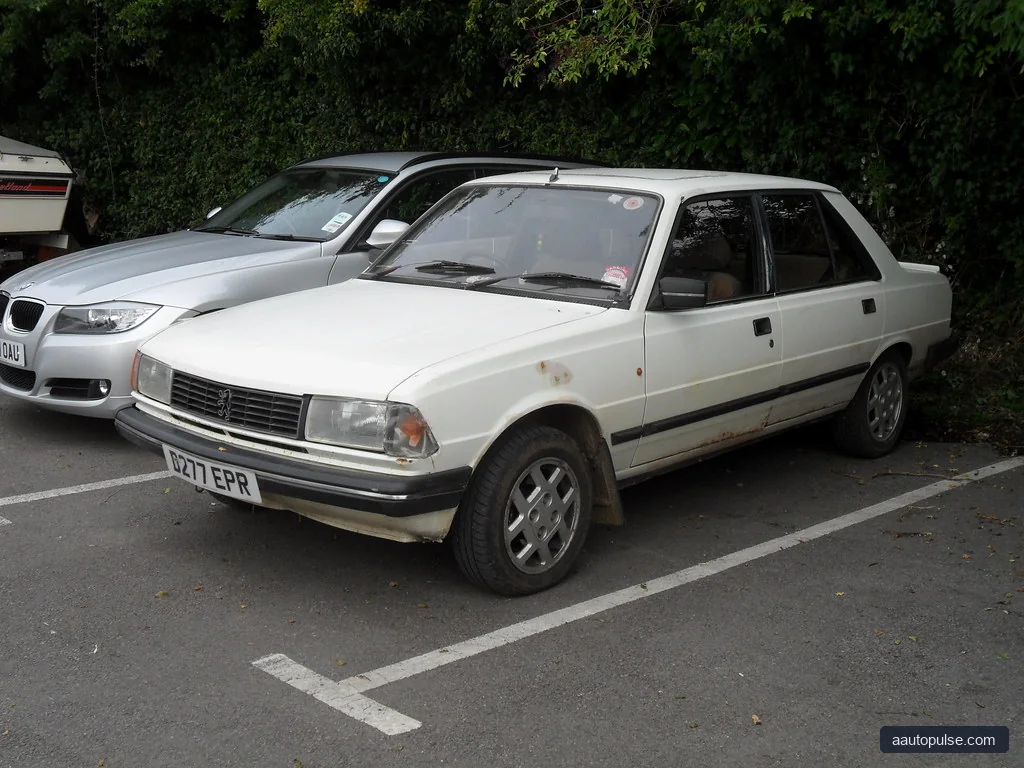
The right oil depends on how your classic is built and how it is used. A restored weekend cruiser does not need the same oil as a high-mileage original that leaks a little and sits through winter. Start with the factory recommendation, then adjust only if the engine’s age or modifications call for it.
For many vintage engines, the safest starting point is a quality oil designed for classic or older engines, or a conventional or synthetic blend with the correct viscosity and sufficient anti-wear additives. If your engine builder recommends a zinc/phosphorus level for flat tappet protection, follow that guidance closely.
Key selection factors
- Viscosity: Common vintage choices include 10W-30, 10W-40, and 15W-40, depending on climate and wear
- Zinc/phosphorus content: Important for cam and lifter wear protection in older designs
- Engine condition: Worn engines may need a thicker grade to control consumption and pressure loss
- Driving style: Short trips, long storage, and hot-weather use all affect oil choice
Oil Types Compared: What Works Best and Why
Not every oil type suits every classic. The table below gives a practical comparison so you can narrow your options before buying. Always confirm the correct viscosity and service category for your exact engine.
| Oil Type | Strengths | Limitations | Best For |
|---|---|---|---|
| Conventional oil | Good compatibility, often affordable, easy to source | May not offer the same heat stability or additive package as specialty oils | Original engines, low-stress weekend drivers, stock setups |
| Synthetic blend | Better oxidation resistance and temperature stability | Not always ideal for heavily worn seals or unknown sludge conditions | Mixed-use classics, warmer climates, drivers that see regular use |
| Full synthetic | Strong film strength, excellent high-temp performance, long storage stability | Can expose weak seals or pre-existing leaks in older engines | Rebuilt engines, well-sealed engines, drivers in extreme heat or cold |
| Classic-car oil | Often formulated for older engines, flat tappets, and storage use | May not be necessary for every car, and formulas vary by brand | Collector cars, low-mileage vehicles, engines with vintage hardware |
Who should choose what?
- Choose conventional oil if your vintage engine is stock, regularly maintained, and not known to have major wear issues.
- Choose a synthetic blend if you want extra temperature protection without jumping straight to full synthetic.
- Choose full synthetic if the engine is rebuilt, sealed well, and driven in extreme heat, cold, or long highway runs.
- Choose classic-car oil if your vehicle has flat tappets, sits for long periods, or has a manufacturer or builder preference for older-engine formulations.
Recommended Viscosity by Condition and Climate
Viscosity matters because vintage engines often have different clearances than modern engines. A 30-weight oil may be right for a fresh, tight engine, while an older, looser engine may need 40-weight or a multi-grade with stronger hot-side protection. Climate also matters a lot in the US, where winter cold and summer heat can vary widely.
As a general rule, lighter oil flows better in cold weather, while thicker oil may help hot idle pressure in a worn engine. Still, this is only a starting point. Verify your owner’s manual or engine builder recommendation before making changes.
Simple viscosity guide
- 10W-30: Often a good all-around choice for mild climates and stock engines
- 10W-40: Useful for warmer weather or slightly worn engines
- 15W-40: Common for older engines in hotter climates or those that see heavier use
- 20W-50: Sometimes used in hotter conditions or high-mileage engines, but not ideal for every classic
For many classic American V8s, oil capacities often fall around 4 to 6 quarts with the filter, but some engines use more or less. Do not guess. Check the owner’s manual or a trusted service reference before filling, because overfilling can cause foaming and underfilling can damage the engine.
How to Change Oil in a Vintage Car Safely
Changing the oil in a vintage car is not much different from a modern car, but the details matter more. Older drain plugs, filters, and gaskets can be fragile. A careful service routine helps you avoid leaks and catch early signs of wear.
- Warm the engine briefly so the oil drains more fully, but do not make it so hot that parts are hard to handle.
- Inspect the drain plug and gasket for wear, stripped threads, or metal debris.
- Replace the filter with a correct-fit part for the engine, not a close guess.
- Fill with the correct amount based on the manual, then check the dipstick after a short idle period.
- Look for leaks around the filter, valve cover, drain plug, and front/rear main seal area.
- Recheck oil level after a short drive and again the next day.
Cautions to keep in mind
- Do not assume a thicker oil will fix low pressure if the engine has a worn pump or internal wear.
- If you switch oil types, watch for leaks in older rubber parts for old cars, since aged seals may already be near failure.
- Do not rely on additives as a cure-all unless a trusted engine builder or manual specifically supports them.
Troubleshooting: Signs Your Vintage Car May Need a Different Oil
If your classic starts acting differently after an oil change, the oil may not be the right match. Some symptoms are normal for an old car, but others point to a mismatch in viscosity or additive package. A quick check can help you decide whether to keep driving, recheck the level, or change the oil again.
| Symptom | Possible Cause | What to Do |
|---|---|---|
| Low hot idle oil pressure | Oil too thin for wear level or climate | Verify level first, then consider the next viscosity grade if manual allows |
| New leaks after oil change | Old seals exposed by different oil chemistry or detergent action | Inspect gasket areas and watch rubber parts for old cars closely |
| Top-end noise on startup | Delayed oil flow, low viscosity, or wear | Check cold-start behavior and confirm the viscosity grade |
| Excess smoke or oil consumption | Worn rings, valve seals, or oil too thin for condition | Track consumption over 500 to 1,000 miles and inspect for mechanical wear |
Maintenance Intervals and Storage Tips for Classics
Vintage cars that sit for long periods need more than just the right oil. Moisture, fuel dilution, and short-start cycles can break oil down faster than expected. For many collector vehicles, an oil change every 3,000 to 5,000 miles is a practical rule of thumb, but time matters too.
If your car is rarely driven, changing the oil at least once a year is often smart, even if mileage is low. Before winter storage, check the level, fix any visible leaks, and make sure the battery and fuel system are also ready for downtime. If you do frequent short trips, you may need shorter service intervals because condensation can build up in the crankcase.
Good storage habits
- Run the engine long enough to reach full operating temperature before parking for storage.
- Check for seepage at the oil pan, valve covers, rear main area, and filter housing.
- Use the correct oil cap and dipstick seal if your engine depends on them.
- Inspect belts, hoses, and rubber parts for old cars while the hood is open, since age affects more than just oil.
FAQ About Oil for Vintage Cars
Can I use synthetic oil in a vintage engine?
Sometimes, yes. Synthetic oil can work well in many vintage engines, especially rebuilt or well-sealed ones. But older engines with leaks, unknown sludge, or sensitive seals may not respond well, so verify compatibility before switching.
Do vintage cars need zinc oil?
Many older engines, especially those with flat tappet cams, benefit from higher zinc and phosphorus levels. That said, not every classic needs a special additive bottle added by hand. A classic-car oil or the right modern oil formulation may already provide the protection you need.
How often should I change the oil in a classic car?
For many vintage cars, 3,000 to 5,000 miles is a reasonable service window, but time-based changes matter too. If the car is stored often or only driven on short trips, change it at least once a year and inspect the oil condition regularly.
What oil weight is best for an old engine that uses oil?
A slightly thicker viscosity may help control consumption if the manual allows it, but do not jump too far without checking first. Excessive oil use can also point to worn rings, valve seals, or ventilation issues that oil alone will not fix.
Should I use a high-mileage oil in a vintage car?
High-mileage oil can help some older engines because it may support seal conditioning and improved leak control. It is worth considering when the engine is worn but still sound. Still, make sure the formula and viscosity fit your engine’s design.
Choosing the best oil for vintage cars is really about matching the oil to the engine’s age, design, and condition. Start with the owner’s manual, confirm the viscosity and capacity, and then choose an oil with the right protection for flat tappets, aging seals, and your climate. If your classic leaks, sits, or shows pressure changes, investigate before assuming the oil is the only issue. A careful choice now can help your engine stay smoother, cleaner, and better protected for years to come.