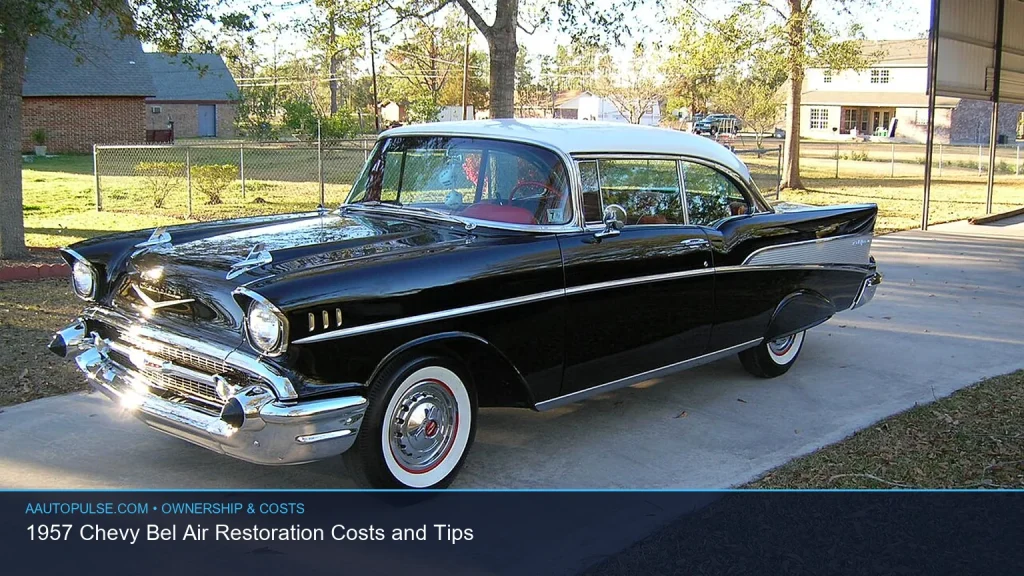
If you’re planning a 1957 chevy bel air restoration, the big question is usually cost. The short answer: the final bill depends on rust, originality, labor, and how far you want to go. A driver-quality rebuild can stay relatively controlled, while a full frame-off restoration can climb fast. In this guide, you’ll learn the main cost drivers, how to set a realistic budget, which jobs to tackle first, and how to avoid the most common money traps.
📖 Table of Contents
- What Drives 1957 Chevy Bel Air Restoration Costs?
- Set Your Budget Before You Start
- How to Inspect the Car Before You Spend
- Common Restoration Stages and Where the Money Goes
- How to Control Costs Without Cutting Corners
- Restoration Red Flags That Can Blow Up Your Budget
- FAQ About 1957 Chevy Bel Air Restoration
- Conclusion: Build the Plan Before You Build the Car
📌 Key Takeaways
- The biggest restoration cost drivers are rust, missing parts, bodywork, paint, and labor time.
- A clear plan is more important than a low starting budget. Scope creep is what usually breaks projects.
- Originality matters. Correct trim, glass, badges, and date-matched parts can raise cost quickly.
- Start with inspection, then decide whether to preserve, repair, or fully restore before you spend a dollar.
What Drives 1957 Chevy Bel Air Restoration Costs?
The 1957 Bel Air is one of the most loved classic Chevys, which helps parts availability but also keeps demand high. That means the total cost of a restoration is less about the badge and more about the condition of the car you start with. A complete, running car with solid panels will always be cheaper than a shell with heavy rust and missing trim.
Before you buy parts or hire a shop, inspect the car as if you were building a budget. Check the floors, trunk, rocker panels, lower quarters, frame, cowl, and windshield area. On these cars, hidden rust and poor prior repairs often cost more than the obvious body damage.
Main cost categories
- Purchase price of the car
- Rust repair and metalwork
- Body prep and paint
- Chrome and trim restoration
- Engine, transmission, and rear axle work
- Interior, wiring, and glass
- Labor if you are not doing the work yourself
The more original and complete the car is, the easier it is to control spending. Small missing pieces can be surprisingly expensive because they are often sold as sets or restored individually. That is why “cheap” projects often become expensive later.
Set Your Budget Before You Start
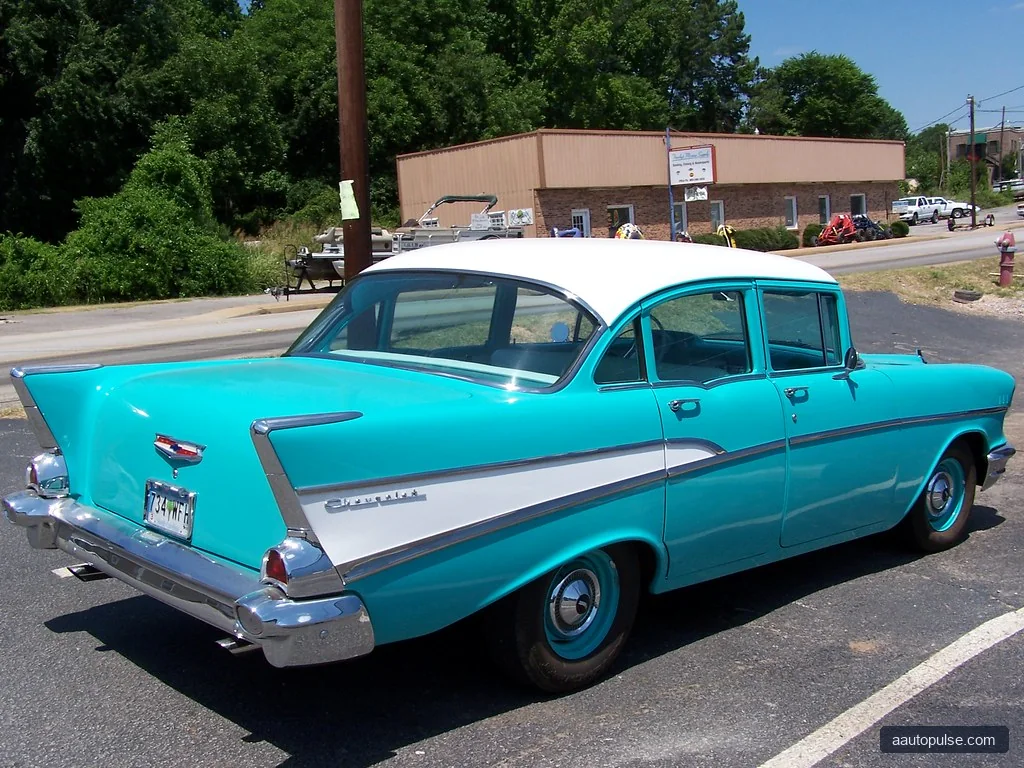
The best way to approach a 1957 chevy bel air restoration is to define the end goal first. A weekend cruiser, a clean driver, and a show-level build all require very different levels of spending. If you skip this step, you can easily spend show-car money on a car that only needed a solid driver refresh.
Use a simple three-part budget: buy, build, and buffer. The buffer is important because old cars always uncover surprises. A practical rule is to reserve extra funds for rust repair, fasteners, missing trim, and labor that takes longer than expected.
| Project Type | Best For | Strengths | Limitations |
|---|---|---|---|
| Driver Refresh | Solid car, light cosmetic work | Lower cost, faster turnaround, usable sooner | Not ideal for deep rust or major originality goals |
| Partial Restoration | Good body, aging mechanicals, tired interior | Balances cost and quality | Can become inconsistent if plans change |
| Frame-Off Restoration | Rough but restorable cars | Best for full rebuild and concours-level detail | Highest cost, longest timeline, highest risk of overruns |
Who should choose what? If you want to drive the car soon, pick a driver refresh. If you want a nicer car with a controlled spend, choose a partial restoration. If the car is already apart, badly rusted, or you want top-tier correctness, a frame-off approach may make sense.
How to Inspect the Car Before You Spend
A smart inspection can save thousands. Walk the car slowly and look for signs of patch panels, uneven seams, filler, and bubbling paint. If the car has been repainted, check whether trim, glass, and weather seals were removed properly or simply masked over.
Focus on structural areas first. Floors and rockers can hide serious rust, and trunk extensions often need more work than they appear to. On a Tri-Five Chevrolet, old repairs are common, so assume nothing until you confirm it.
Inspection checklist
- Frame rails, body mounts, and crossmembers
- Floor pans, trunk floor, and spare tire well
- Rocker panels and lower door edges
- Rear wheel openings and lower quarters
- Cowl and windshield channel
- Door gaps, hood fit, and trunk alignment
- Engine numbers, transmission condition, and rear-end leaks
- Electrical condition, especially old harness damage
If the car starts, listen for oil pressure issues, smoke, coolant loss, lifter noise, and overheating. For a vintage small-block Chevy setup, basic maintenance items like oil and filter changes are often done by mileage or time, but you should verify the correct service interval and oil capacity for the exact engine in your vehicle. The same rule applies to brake fluid, coolant, and transmission fluid.
Common Restoration Stages and Where the Money Goes
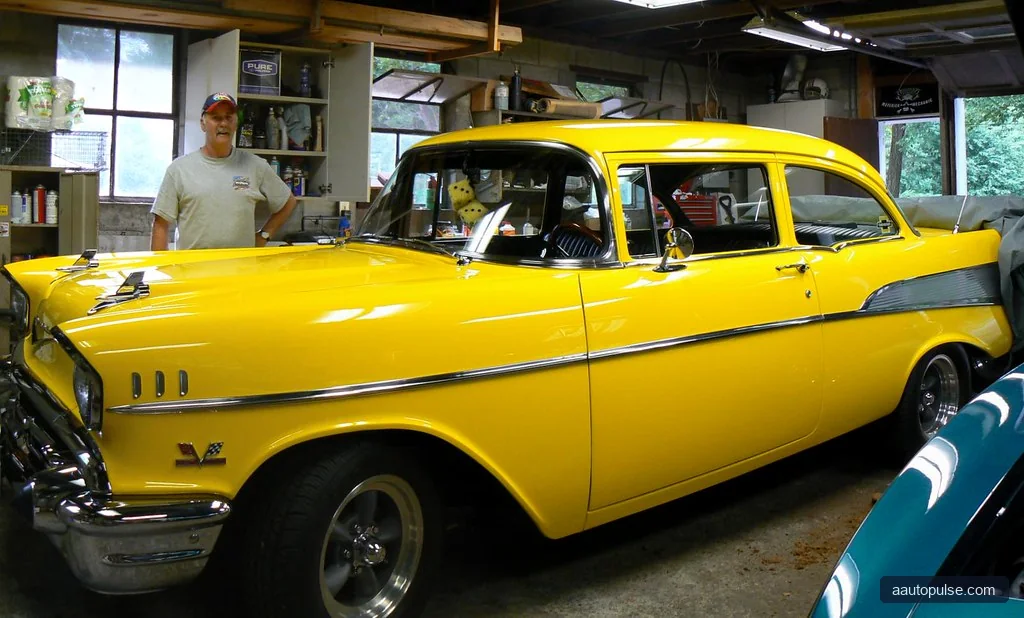
Most owners do not restore everything at once. Instead, they work in stages. That can help cash flow, but it also means you must keep each stage tied to the final plan so you do not redo work later.
- Make it safe first. Fix brakes, steering, tires, lights, and fuel system issues before cosmetics.
- Stabilize rust. Repair structural metal and stop corrosion from spreading.
- Address mechanical systems. Engine, transmission, cooling, suspension, and rear axle come next.
- Finish the body and paint. This is usually one of the biggest expenses.
- Complete the interior and trim. Seats, carpet, headliner, gauges, chrome, and weather seals.
- Detail and sort. Adjust panel gaps, fix leaks, and resolve small issues after road testing.
Bodywork and paint often take the biggest share of the budget because they are labor heavy. Chrome restoration and original-style trim can also get expensive, especially if you want a period-correct finish. Mechanical work may seem easier to predict, but old fasteners, worn mounts, and hidden wear often add time.
How to Control Costs Without Cutting Corners
You can lower total cost by making careful choices early. The key is to spend where it matters most and avoid redoing work. Cheap shortcuts often cost more later when parts have to come back off.
Cost-saving strategies that still make sense
- Buy the most complete car you can afford.
- Choose a realistic finish level based on how you will use the car.
- Reuse serviceable original parts when safe and practical.
- Compare restoration versus replacement for trim, glass, and interior pieces.
- Bundle labor tasks to avoid paying twice for the same teardown.
- Document every part so you do not buy duplicates.
Doing some work yourself can help, but know your limits. Sanding, cleaning, disassembly, and some reassembly are good DIY tasks. Structural welding, paint, brake work, and wiring should be handled only if you have the skill and tools to do them correctly.
| Task | Good DIY Candidate? | Watch Out For |
|---|---|---|
| Disassembly and labeling | Yes | Losing hardware, mixing trim, bad storage |
| Brake overhaul | Sometimes | Safety-critical work must be done correctly |
| Rust welding | Only if skilled | Heat distortion, weak seams, hidden corrosion |
| Paint and final finish | Usually no | Dust, prep quality, and color match issues |
Restoration Red Flags That Can Blow Up Your Budget
Some warning signs should make you pause before you commit. If the car has fresh undercoating hiding rust, mismatched body lines, or a dozen partial repairs, expect a tougher project than the seller describes. A shiny exterior can hide a very expensive underside.
Also watch for parts cars that look complete but are missing hard-to-find trim. Small exterior pieces may seem minor, but they are often the hardest and costliest items to source correctly. The same is true for glass, emblems, and factory-style interior details.
Budget-killer warning signs
- Heavy rust in floors, rockers, or frame areas
- Multiple layers of old filler or repaint
- Missing chrome, trim, or glass
- Non-original swaps done poorly
- Electrical hacks and cut harnesses
- Car disassembled without labeled parts
Another hidden cost is time. When a project sits for months, parts get misplaced and motivation drops. The best way to fight this is to set milestones and finish one system before moving to the next.
FAQ About 1957 Chevy Bel Air Restoration
Is it cheaper to restore or buy a finished 1957 Bel Air?
Often, buying a finished car can cost less than restoring a rough one, especially if the car needs bodywork and paint. Restoration costs rise quickly when rust and missing parts are involved. That said, a finished car may still need sorting, and you should inspect it carefully before buying.
What should I fix first on a restoration project?
Start with safety and structure. Brakes, steering, tires, rust repair, and fuel system condition should come before cosmetic work. Once the car is safe and solid, move to mechanical reliability and then appearance.
How do I know if a car is a good restoration candidate?
A good candidate usually has a straight body, manageable rust, and most of its original parts. Clean title, decent panel fit, and a complete interior help too. If the car is missing major trim or has extensive structural rust, it may still be restorable, but the cost risk rises fast.
Should I keep the car original or modify it?
That depends on your goal and budget. Original-style restorations often cost more when you chase correct details, while tasteful upgrades can improve drivability and simplify maintenance. Choose the path that matches how you want to use the car, then stay consistent.
How important is documentation during a restoration?
Very important. Photos, labels, receipts, and part numbers help you avoid mistakes and protect resale value. Good records also make it easier to track what still needs work and what has already been done.
Conclusion: Build the Plan Before You Build the Car
A successful 1957 chevy bel air restoration starts with a clear goal, a careful inspection, and a realistic budget. If you know whether you want a driver, a partial rebuild, or a full frame-off project, you can make smarter decisions from the start. Focus on structure first, keep a buffer for surprises, and verify maintenance details for your exact car with the owner’s manual or trusted service references.
Next, inspect the car thoroughly, list every needed system, and decide what you can do yourself versus what should go to a professional. That approach gives you the best chance of finishing the project without losing control of the cost.