Choosing between a hybrid and an electric car comes down to how you drive, how much you want to spend now versus over time, and access to fueling or charging. This guide compares hybrid vs electric which is better for typical U.S. drivers by covering how each works, real ownership trade-offs (cost, range, maintenance), environmental differences, and practical buying advice so you can pick the best fit for your needs.
📖 Table of Contents
- How hybrids and electric cars work (quick primer)
- Hybrid vs electric which is better: ownership cost and incentives
- Range, fueling, and daily usability
- Maintenance, reliability, and ownership experience
- Environmental impact and real-world emissions
- Comparison table: hybrids vs electric
- Selection criteria: how to decide
- Strengths and limitations
- Who should choose what: clear verdicts
- Practical buying steps and considerations
- FAQ
Products mentioned
- A-Premium Snail Horn High Universal Electric Horn
View current product details - 12V Waterproof Air-Electric Snail Horn Kit, Black
View current product details - A-Premium Dual Snail Horn High Low Universal Electric Horns
View current product details - 12V Car Air Horn, 120DB Super Loud Dual Trumpets Air Horns Kit with Compressor, Waterproof Dual Electric Train Horn Replacement Kit for Cars Trucks Motorcycles
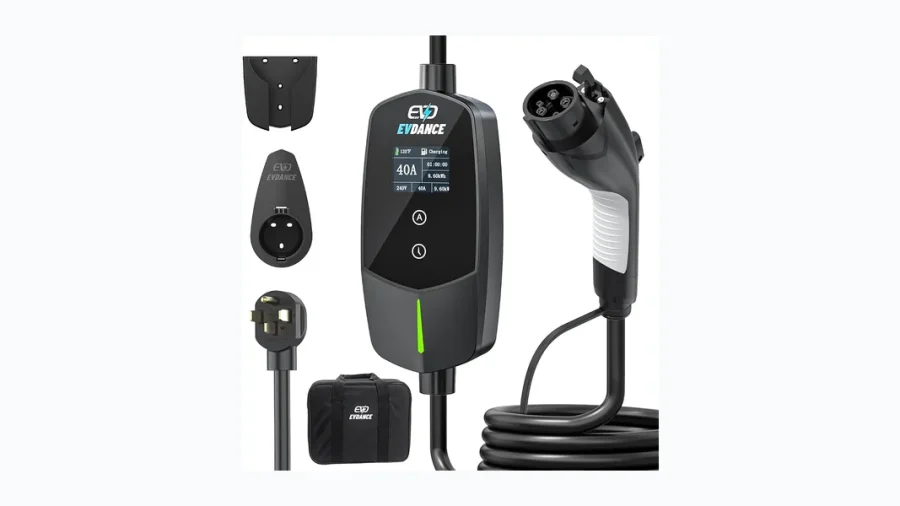
View current product details - EVDANCE Level 2 EV Charger 40Amp, 240V 9.6KW Portable Electric Vehicle Charging Stations with NEMA 14-50P, 25FT Cable Adjustable Current/Timing Delay Home Elect
View current product details
Availability, specifications, and prices can change; verify them on the product page.
📌 Key Takeaways
- Hybrids blend a gasoline engine and electric motor for better fuel economy without needing external charging; good if you drive varied routes and lack charging access.
- Battery-electric vehicles (EVs) produce zero tailpipe emissions and often cost less to run, but require charging access and a longer upfront purchase decision.
- Consider total ownership (fuel/charging, maintenance, incentives, resale) and your driving pattern before deciding.
- If you can charge regularly and mainly drive within daily EV ranges, an electric vehicle is often the cleaner, lower-cost option over time; otherwise, a hybrid may be more practical.
How hybrids and electric cars work (quick primer)
Hybrids use both an internal combustion engine and one or more electric motors. Some charge their battery from the engine and regenerative braking (standard hybrids), while plug-in hybrids (PHEVs) let you charge from the grid for short electric-only trips.
Battery-electric vehicles (EVs) run only on electric motors and rechargeable batteries. They need external charging and produce no tailpipe emissions. The core practical difference is whether you rely on gasoline at all.
Hybrid vs electric which is better: ownership cost and incentives
Upfront purchase cost often favors hybrids for the same vehicle class, though EV prices have been shifting. Over time, many owners find lower fueling and maintenance costs with EVs because electricity can cost less per mile than gasoline and EVs have fewer moving parts.
Tax credits and state incentives can significantly affect the economics for both plug-in hybrids and EVs. Availability and eligibility rules vary by state and by model, so check current local and federal programs before deciding.
Range, fueling, and daily usability
Hybrids provide the convenience of quick refueling at any gas station and predictable range for long trips. That makes them reliable for drivers who frequently travel long distances without planned stops.
EVs require charging, which is easy at home if you have access to a garage or dedicated parking. Public charging infrastructure fills gaps for longer trips but requires planning on routes and stops. Charging speed depends on the charger type and the vehicle’s acceptance rate.
Maintenance, reliability, and ownership experience
Because hybrids still use a gasoline engine, they retain many traditional maintenance items like oil changes and exhaust system service. They also have electric components that can reduce engine wear.
EVs have fewer mechanical parts—no oil changes, no timing belts, and simpler drivetrains—so routine maintenance tends to be simpler. Battery health and long-term warranty coverage are key considerations; check manufacturer warranty terms when buying.
Environmental impact and real-world emissions
EVs have zero tailpipe emissions, which improves local air quality. Overall environmental impact depends on how the electricity is generated and on battery manufacturing and disposal. With cleaner grids, EVs generally reduce greenhouse gas emissions compared with gasoline vehicles.
Hybrids lower fuel use and emissions compared to conventional vehicles but still burn gasoline. For many drivers, a well-driven PHEV on frequent electric charging can approach EV-level reductions for daily use.
Comparison table: hybrids vs electric
| Typical Hybrid | Battery-Electric Vehicle (EV) | |
|---|---|---|
| Fueling/Charging | Gasoline refills; no external charging required (except PHEVs) | Requires home or public charging |
| Upfront Cost | Often lower than comparable EVs | Often higher upfront but can be offset by incentives |
| Operating Cost | Lower than traditional gasoline cars, but fuel still needed | Typically lower fuel and maintenance costs |
| Range & Long Trips | Flexible for long trips without planning | Good for daily use; long trips need charging planning |
| Maintenance | Traditional maintenance plus hybrid components | Simpler drivetrain; battery checks important |
| Environmental Impact | Lower emissions than gasoline cars, but still emits | Zero tailpipe emissions; overall impact depends on electricity source |
Selection criteria: how to decide
- Daily driving distance: Short to moderate daily miles favor EVs if you can charge regularly.
- Access to charging: Home charging or reliable workplace/public chargers make EVs practical.
- Long-trip needs: Frequent long highway drives without time for charging favor hybrids.
- Budget and incentives: Factor in available tax credits, rebates, and total cost of ownership.
- Environmental priorities: If reducing tailpipe emissions is a top goal, EVs are stronger.
- Resale and warranty: Check battery warranties, expected residuals, and dealer support.
Strengths and limitations
Hybrid — strengths
- Reliable long-range capability and easy refueling.
- No need for home charging infrastructure.
- Immediate fuel-saving benefits over conventional cars for mixed driving.
Hybrid — limitations
- Still emits greenhouse gases and pollutants while burning fuel.
- Maintenance includes both combustion and electric systems.
Electric — strengths
- No tailpipe emissions and lower operating complexity.
- Lower routine maintenance and potential fuel cost savings.
- Smooth, quiet driving and instant torque in many models.
Electric — limitations
- Requires charging access and occasional planning for long trips.
- Higher upfront cost for some models and potential concerns about long-term battery life.
Who should choose what: clear verdicts
If you routinely drive long distances, lack regular access to charging, or want the flexibility of instant refueling, a hybrid or plug-in hybrid is often the more practical choice. Hybrids also reduce fuel use without changing daily habits.
If you can charge at home or work, mostly drive within typical single-charge ranges, and want the lowest tailpipe emissions and simpler maintenance, an EV is likely the better long-term choice. EVs are especially attractive when local incentives and a clean electricity mix reduce total emissions and running costs.
Practical buying steps and considerations
- List your average daily miles and a few typical long-trip routes to check charging needs.
- Confirm home charging options: off-street parking, a garage, or nearby public chargers. Consider a Level 2 home charger as an option; some buyers research devices such as the EVDANCE Level 2 EV Charger as one home-charging solution.
- Check federal and state incentives for models you’re considering and compare total cost of ownership, not just sticker price.
- Review battery warranties and manufacturer support for both hybrids and EVs before committing.
FAQ
- Can a hybrid ever replace an EV’s environmental benefits? Hybrids reduce fuel use but still burn gasoline, so they can’t match an EV’s zero tailpipe emissions. A plug-in hybrid charged mostly on electricity can approach EV-level reductions for daily driving.
- Do EVs require a lot of maintenance? EVs generally require less routine maintenance because they lack oil, exhaust, and many moving engine parts. Battery and electrical systems should be monitored per manufacturer guidance.
- What if I don’t have home charging? Without home charging, EV ownership becomes more dependent on public chargers. In that case, a hybrid may be more convenient unless you have reliable public or workplace charging.
- Are plug-in hybrids a good middle ground? Yes. PHEVs let you run short trips on electric power and use gasoline for longer journeys, blending benefits of both technologies.
Conclusion — practical next step
Decide by matching your driving patterns to the vehicle’s strengths: if you can charge regularly and want lower running emissions and maintenance, start shopping for EVs and check local incentives. If you need long-range flexibility and minimal change to fueling habits, compare hybrid and plug-in hybrid models. Next step: track your typical weekly miles for a month, then use that data to test whether an EV’s daily range fits your life or whether a hybrid is the safer choice.