Car model car kits are detailed scale replicas of real vehicles that hobbyists build from scratch. Perfect for beginners, these kits offer a rewarding blend of creativity, precision, and mechanical learning—without needing prior experience. Whether you’re drawn to classic cars or futuristic designs, building your own model is an engaging and educational journey.
Key Takeaways
- What Are Car Model Kits? They are pre-designed models of real cars, sold as incomplete sets with parts to assemble and paint—ideal for beginners new to modeling.
- Types Available: From plastic snap-together kits to advanced resin models requiring tools and skills, there’s something for every level.
- Benefits for Beginners: Improves hand-eye coordination, teaches basic engineering principles, and offers a relaxing, creative outlet.
- Choosing Your First Kit: Start simple—look for low-part-count kits (under 100 pieces), clear instructions, and good online support.
- Essential Tools: You’ll need basic supplies like glue, tweezers, sandpaper, and a hobby knife—no expensive equipment required to start.
- Where to Buy: Popular brands like Tamiya, Revell, and Minichamps offer reliable beginner kits; check hobby shops or online retailers like Amazon or HobbyKing.
Quick Answers to Common Questions
What age is suitable for car model kits?
Most beginner kits are safe and enjoyable for ages 10 and up. Younger children may need adult supervision, especially when using glue or hobby knives.
Do I need expensive tools to start?
Nope! Basic supplies like scissors, glue, and paintbrushes found at craft stores are enough to begin. You can upgrade later as you gain experience.
Can I paint my kit before assembling?
Yes, but it’s harder to reach small areas once assembled. Some prefer priming entire pieces first, then assembling and touching up seams afterward.
How long does it take to build a beginner kit?
Usually 4–12 hours total, depending on complexity. A typical 75-piece kit might take 2–3 sessions of 2–3 hours each.
Are used kits worth buying?
Only if all parts are included and undamaged. Missing pieces can derail the project, so inspect carefully or stick to new kits for your first build.
📑 Table of Contents
What Are Car Model Car Kits?
Imagine having a tiny version of your dream car in your hands—complete with every detail from the engine block to the dashboard. That’s exactly what car model car kits offer. These are scale models of real-world automobiles, designed so enthusiasts can assemble them piece by piece. Unlike fully assembled collectibles, these kits come as incomplete sets: you get plastic or resin parts, decals, and sometimes even metal components that you must put together yourself.
For beginners, this process might sound intimidating at first. But don’t worry—most modern kits are built with accessibility in mind. Think of it like building furniture from IKEA: you follow clear instructions, use simple tools, and end up with something impressive. The beauty of a car model car kit lies in the journey. It’s not just about finishing the project—it’s about learning how things fit together, understanding proportions, and taking pride in your creation.
Whether you’re into muscle cars, vintage classics, or futuristic electric vehicles, there’s a kit out there that matches your interest. And the best part? You’re not limited to just one type of vehicle. From rally racers to luxury sedans, the world of modeling is vast and full of possibilities.
Why Choose a Car Model Car Kit?
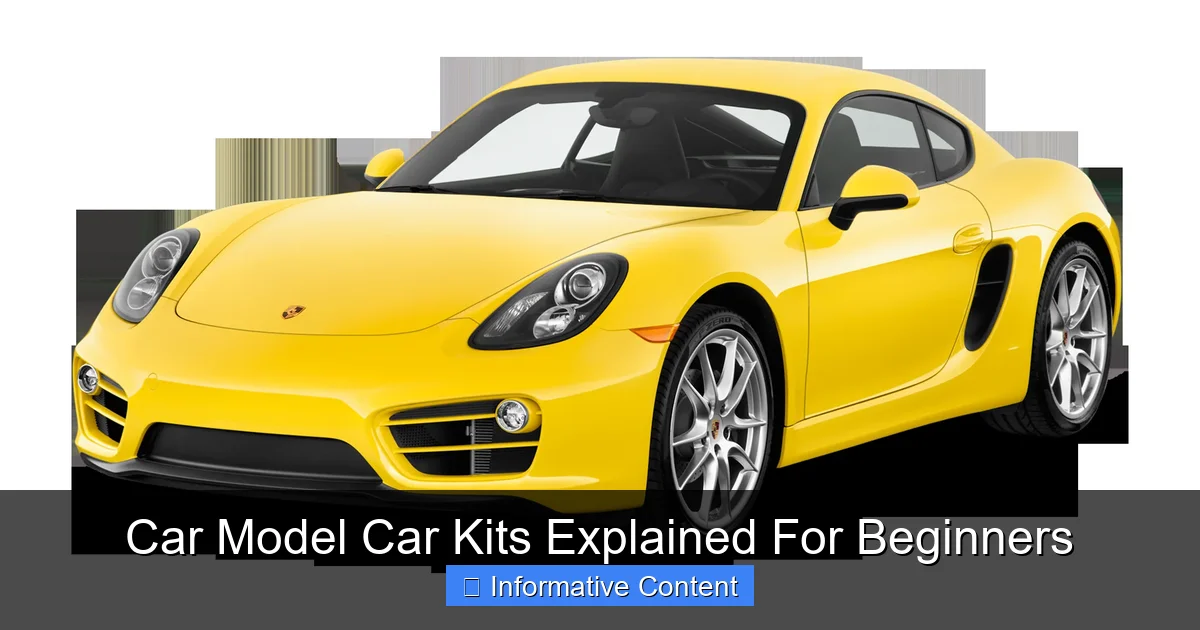
Visual guide about car model car kits
Image source: pngimg.com
So why go through the effort of assembling a model when you could buy a pre-built one? Great question! While finished models look amazing on display, building your own kit gives you a deeper connection to the final product. It’s like cooking from scratch versus ordering takeout—both taste good, but one involves more effort and personal touch.
One major benefit is the educational value. As you clip, glue, and paint each part, you learn about engineering, design, and even basic mechanics. For example, seeing how suspension components work in miniature helps you appreciate real car systems. Plus, it’s a fantastic stress reliever. Many hobbyists report that model building helps them unwind after long days, offering a calm, focused escape.
Another perk is customization. Once your kit is complete, you can modify it—adding custom paint jobs, LED lights, or even upgrading interior details. This opens up endless creative opportunities. And if you ever want to share your work online, social media platforms like Instagram and YouTube are filled with passionate builders showcasing their builds.
Finally, there’s the satisfaction of accomplishment. Watching a blank sheet of plastic transform into a lifelike replica of your favorite car is incredibly rewarding. That sense of achievement? Priceless.
Types of Car Model Car Kits for Beginners
Not all car model kits are created equal—especially when you’re starting out. Some are made for experts with decades of experience, while others are specifically crafted for newcomers. Here’s how to tell them apart:
Plastic Snap-Together Kits
These are the most beginner-friendly option. Parts click together without glue or paint, using tabs and slots. Brands like Tamiya and Revell make excellent examples. You’ll typically find around 50–100 pieces, and assembly takes just a few hours. Since no painting or cutting is involved, they’re perfect for kids and adults who want a quick win.
Painted Plastic Kits
Sometimes called “pre-painted” or “ready-to-assemble” kits, these come with parts already colored. All you do is snap them together. Ideal if you love the look of detailed models but aren’t ready to tackle paint yet. Keep in mind—these tend to cost a bit more due to the extra labor.
Unassembled Plastic Kits (Glue & Paint Required)
This is the sweet spot for most adult beginners. Parts are molded separately and require glue (usually cyanoacrylate or plastic cement) to join. You’ll also need to paint and apply decals. Kits under 150 parts are ideal for first-timers. Look for ones labeled “beginner” or “introductory” on the box.
Resin and Metal Kits
These are more advanced. Resin is a liquid plastic that hardens into strong, detailed parts—but it requires mixing chemicals and careful handling. Metal kits use die-cast aluminum or brass and often include photo-etched parts for realism. Skip these until you’ve built at least two simpler kits.
Racing and Diecast Alternatives
Some brands make small-scale diecast cars that mimic real vehicles. While not true model kits, they’re great for collecting and displaying. However, they lack the hands-on building aspect.
When choosing your first kit, aim for simplicity. A 1:24 or 1:25 scale (about 8–10 inches long) is manageable and looks great on a shelf. Avoid kits over 200 parts unless you’re confident in your skills.
How to Get Started with Your First Kit
Starting your first car model car kit can feel overwhelming, but breaking it down makes it easy. Follow these steps to ensure success:
Gather Your Supplies
You don’t need a professional workshop—just a few basics:
- Tweezers (fine-point)
- Hobby knife with spare blades
- Craft glue (cyanoacrylate works best for plastic)
- Sandpaper (180–600 grit)
- Paintbrushes (size 0–2)
- Acrylic paints (start with black, white, red, and silver)
- Ruler or measuring tape
Many of these items come in beginner hobby starter kits sold online. Save money by buying individual supplies instead of a full toolkit until you know what you really need.
Read the Instructions Thoroughly
Before opening any part, flip through the manual. Understand the sub-assemblies and how they connect. Misreading steps early can lead to mistakes later. Take notes if needed.
Organize Your Workspace
Clear a flat surface. Use small cups or trays to sort parts by color or size. Label them if necessary. Good organization prevents frustration and lost pieces.
Start Simple
Begin with smaller components—like interior panels or wheels—before tackling larger sections like the chassis. This builds confidence and helps you practice techniques.
Practice Painting on Scraps
If your kit requires painting, test colors on scrap plastic first. Acrylics dry quickly and are easy to clean up, making them beginner-friendly.
Take Breaks
Modeling can be slow. Don’t rush. Step back if you feel frustrated. Return with fresh eyes—you’ll catch errors you missed before.
Remember: perfection isn’t the goal. Fun is. Every model kit builder started exactly where you are now.
Tips for Customizing and Displaying Your Build
Once your car model car kit is complete, the real creativity begins. Customization doesn’t mean tearing everything apart—it means enhancing what you’ve built.
Add LED Lighting
Insert tiny LEDs behind headlights or taillights for a realistic glow effect. Battery packs can be hidden inside the chassis. It’s a simple upgrade that makes your model stand out.
Upgrade Interior Details
Use aftermarket decals or scratch-build steering wheels and seats. Even adding seatbelt fabric can add authenticity.
Create a Diorama Base
Instead of placing your car on a plain shelf, mount it on a painted base resembling asphalt, gravel, or garage floor. Use static grass or sand for texture.
Name Your Creation
Give your model a story. Maybe it’s “Project Thunderbird,” a tribute to your grandfather’s old Mustang. Personal stories make collections more meaningful.
Photograph Your Work
Good lighting and a clean background make for great photos. Share them on forums or social media—many communities welcome new members.
Displaying your finished kit properly preserves it too. Use UV-protective cases if possible, and keep it away from direct sunlight to prevent fading.
Common Mistakes Beginners Make (And How to Avoid Them)
Even experienced modelers mess up sometimes. But beginners often repeat the same errors. Here’s how to dodge them:
Misreading Instructions
Skipping ahead or assuming parts go together can ruin symmetry. Always double-check diagrams.
Using Too Much Glue
Excess glue creates ugly residue and weak bonds. Apply just enough to hold parts securely.
Rushing the Process
Patience pays off. Spend time aligning parts before gluing—precision beats speed.
Ignoring Sanding Needs
Seams between parts are normal but unsightly. Light sanding smooths them out without damaging detail.
Poor Paint Application
Thin coats dry faster and hide mistakes better than thick globs. Multiple light layers beat one heavy one every time.
Not Planning Ahead
Sketching your vision or laying out decals before applying ensures alignment and reduces rework.
Learning from others helps too. Watch YouTube tutorials—channels like Mr. Hobby and The Hobbyist offer step-by-step guidance tailored for beginners.
Conclusion: Your Journey Starts Now
Building a car model car kit isn’t just a hobby—it’s a gateway to lifelong learning, creativity, and community. Whether you’re fascinated by the roar of V8 engines or the sleek lines of concept cars, modeling lets you explore those passions in miniature form. And the best part? You don’t need years of experience to begin. With the right kit, patience, and a little curiosity, you’ll have a stunning display piece in no time.
Start small. Choose a simple kit. Gather your tools. Read the instructions. Then, enjoy the process—one carefully clipped piece at a time. Before you know it, you’ll be dreaming up your next build, maybe even teaching someone else how it’s done.
The road to becoming a master modeler begins with your very first kit. So grab a pair of tweezers, open that box, and let the adventure unfold.
Frequently Asked Questions
What scale should a beginner choose?
Start with 1:24 or 1:25 scale—models are manageable in size and detail. Larger scales like 1:18 offer more realism but require more space and patience.
Is painting necessary?
It depends on the kit. Some come pre-colored, but most unpainted kits look much more realistic and professional with a fresh coat of acrylic paint.
Can I return a model kit if it’s missing parts?
Most retailers accept returns within 30 days if unopened. Opened boxes may not be returnable unless defective—always check policies before purchasing.
How do I fix glue marks on my model?
Lightly sand affected areas with fine-grit sandpaper, then repaint. Avoid harsh scrubbing, which can damage delicate surfaces.
Can kids build these kits alone?
Snap-together kits yes—glue-and-paint ones usually require adult help due to small parts and sharp tools. Safety first!
Where can I find inspiration for my builds?
Follow modeler Instagram accounts, visit online forums like Scalemates.com, or watch YouTube channels dedicated to automotive modeling for ideas and tips.